
Posts Tagged ‘cupping’
The Treatments You Keep Seeing on Social Media—Do They Actually Work? (Bangor, Maine Guide)
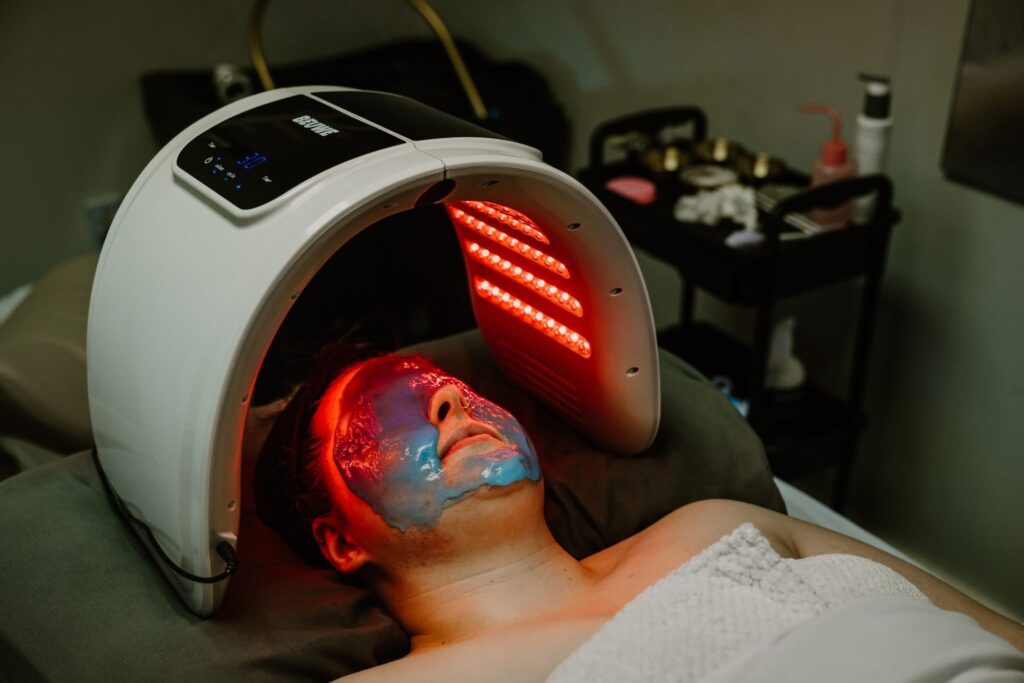
If you’ve been scrolling lately, you’ve probably seen it—dark cupping marks, glowing skin after red light therapy, slow neck massage reels, and calming chakra sessions.
These treatments are everywhere right now. But are they just trends… or do they actually work?
At A Body in Knead in Bangor, we get this question daily. Here’s what’s real, what’s hype, and what’s worth booking.
🔴 Cupping Therapy: Why It Looks Intense (and Why Clients Love It)
Cupping is one of the most eye-catching treatments online—and yes, those circular marks can look a little dramatic.
But here’s what’s actually happening:
- Increased blood flow to tight or stagnant areas
- Muscle decompression (instead of compression like massage)
- Faster recovery and tension relief
Does it hurt?
Not typically. Most clients describe it as a pulling sensation with deep relief.
💆♀️ Neck & Shoulder Massage: The Relief Everyone Is Searching For
Those slow, satisfying neck massage videos? They’re trending for a reason.
Most people today are dealing with:
- Forward head posture (phones, laptops)
- Chronic shoulder tension
- Stress-related tightness
Targeted neck work can help with:
- Headaches
- Jaw tension
- Limited range of motion
- Even overall relaxation and sleep quality
👉 This isn’t just “relaxation”—it’s one of the most in-demand therapeutic focuses right now.
✨ Red Light Therapy: The Glow Everyone’s Talking About
Red light therapy has exploded in popularity—and unlike a lot of trends, it’s backed by real results.
Benefits include:
- Collagen production for smoother skin
- Reduced inflammation and redness
- Support for acne and skin healing
When paired with a professional facial, it enhances results without downtime.
👉 Translation: You get visible improvement without harsh treatments.
🌿 Chakra Balance: Relaxation That Goes Deeper
Chakra services are trending, but not just for the reasons you might think.
While often associated with energy work, clients consistently report:
- Deep relaxation
- Reduced stress and anxiety
- A sense of mental clarity
Whether you connect with the concept or just want to feel grounded, the outcome is the same—your nervous system finally gets a break.
📍 So… Do These Treatments Actually Work?
Yes—but not as one-size-fits-all solutions.
The real value comes from:
- Choosing the right service for your body or skin
- Working with trained professionals
- Combining treatments when appropriate
At A Body in Knead, we customize every session based on what you’re actually dealing with—whether that’s muscle tension, skin concerns, or stress overload.
⭐ What Should You Try First?
If you’re new:
- Start with a custom facial + red light therapy for visible skin results
- Try neck-focused massage if you carry tension daily
- Add cupping if you want deeper muscle work
- Choose chakra balance if stress is your main issue
📅 Book in Bangor, Maine
If you’ve been curious about what you’re seeing online, this is your sign to try it for yourself.
Appointments are available in Bangor for:
- Facials + Red Light Therapy
- Therapeutic Massage & Neck Work
- Cupping Therapy
- Chakra Balance Sessions
👉 Weekends fill quickly—booking ahead is recommended.
What is Cupping Therapy in Massage?

What Is Cupping Therapy in Massage?
Cupping therapy is a powerful massage technique used to release muscle tension, improve circulation, and support the body’s natural healing process. While it may look unfamiliar at first, cupping has been used for thousands of years across many cultures and is now commonly integrated into modern therapeutic massage.
At A Body in Knead, cupping is used as a targeted tool—never rushed, never aggressive—to help clients who need deeper relief without excessive pressure.
How Cupping Works
During a cupping session, specially designed cups are placed on the skin to create gentle suction. Instead of pushing down into the muscles like traditional massage, cupping lifts the tissue upward.
This lifting action:
- Increases blood flow to tight or stagnant areas
- Separates muscle layers and fascia (connective tissue)
- Encourages lymphatic drainage
- Helps the nervous system relax
Cups may be left stationary for short periods or gently moved along the muscles (called gliding cupping).
What Does Cupping Feel Like?
Most clients describe cupping as:
- A deep pulling or stretching sensation
- Relieving rather than painful
- Less intense than deep tissue massage
You should never feel sharp pain. Communication is key, and pressure is always adjusted to your comfort level.
Why Massage Therapists Use Cupping
Cupping is especially effective for:
- Chronic muscle tension
- Tight shoulders and neck
- Low back discomfort
- Limited range of motion
- Postural strain from desk work
- Athletes and active individuals
Because cupping lifts rather than compresses tissue, it can achieve deep results with less soreness afterward compared to aggressive deep tissue work.
What About the Marks?
Cupping can sometimes leave circular marks on the skin. These are not bruises and do not indicate injury. They are a result of increased circulation and blood flow to the area.
Important things to know:
- Marks are painless
- They vary in color and intensity
- They usually fade within a few days to a week
- Darker marks often indicate areas of long-standing tension
Not everyone gets marks, and therapists can adjust techniques to minimize them.
Is Cupping Safe?
Cupping is generally safe when performed by a trained professional. However, it may not be recommended if you:
- Are pregnant (certain areas)
- Have fragile or broken skin
- Have certain medical conditions
Your therapist will always review your health history before treatment.
Cupping vs. Deep Tissue Massage
Many clients ask whether cupping replaces deep tissue massage. The answer is: they work best together.
- Deep tissue uses pressure to release tension
- Cupping uses suction to lift and decompress
When combined, they allow muscles to relax more effectively and often shorten recovery time.
Is Cupping Right for You?
If you:
- Feel “stuck” or tight no matter how often you stretch
- Want deep relief without intense pressure
- Have recurring tension in the same areas
Cupping may be an excellent addition to your massage session.
Ready to Experience Cupping?
Cupping can be added to select massage services or requested as part of a customized therapeutic session at A Body in Knead. Talk with your therapist to see if it’s the right fit for your body and goals.
Your body doesn’t just need pressure—it needs space to heal.