
Posts Tagged ‘Swedish massage’
The Healing Power of Medical Massage in Bangor: When Relaxation Meets Clinical Recovery

When most people think of a massage, they picture soft lighting, soothing music, and a chance to unwind after a stressful week. While relaxation is a wonderful benefit, medical massage goes a step beyond traditional spa therapy. It is a targeted, results-driven approach designed to alleviate chronic pain, rehabilitate injuries, and improve overall physical function.
If you are dealing with persistent aches, recovering from an auto accident, or managing a chronic musculoskeletal condition right here in the Bangor area, understanding what medical massage is—and how it can help you—is the first step toward lasting relief.
What is Medical Massage?
Medical massage (sometimes referred to as clinical or therapeutic massage) is outcome-based massage therapy. Unlike standard relaxation massages, which focus on general stress reduction, a medical massage treatment plan is tailored to a specific medical diagnosis or physical complaint prescribed or recommended by a healthcare provider, or identified during a thorough clinical assessment.
Your therapist utilizes specific orthopedic assessment techniques, deep tissue manipulation, myofascial release, and neuromuscular therapy to address the root cause of your discomfort rather than just masking the symptoms.
Common Conditions Addressed with Medical Massage
Medical massage is frequently integrated into treatment plans for a wide variety of conditions, including:
- Chronic Neck and Back Pain: Relieving tension in deep postural muscles caused by long hours at a desk or heavy physical labor.
- Whiplash and Auto Accident Recovery: Gently restoring range of motion and breaking down scar tissue following trauma.
- Carpal Tunnel Syndrome & Repetitive Strain Injuries: Alleviating pressure on compressed nerves in the wrists, arms, and shoulders.
- Post-Surgical Rehabilitation: Assisting in the breakdown of post-operative adhesions and reducing swelling.
- Tension Headaches: Releasing trigger points in the neck, shoulders, and jaw that contribute to recurring headaches.
How Medical Massage Integrates with Your Healthcare Team
Many clients in Bangor utilize medical massage alongside chiropractic care, physical therapy, and primary care physician recommendations.
If you have been in an accident or suffer from a chronic condition requiring medical documentation, our facility is equipped to handle insurance billing protocols—including utilizing Organization Type 2 National Provider Identifier (NPI) numbers and CMS-1500 claim forms for doctor referrals when applicable. This makes getting the therapeutic care you need seamless and hassle-free.
What to Expect During Your Session
Your first medical massage session begins with a targeted intake and assessment. We will discuss your pain history, review any doctor’s referrals or imaging reports, and test your range of motion. From there, your therapist will design a customized clinical treatment plan focused entirely on your functional recovery and pain reduction goals.
Ready to Find Relief?
You don’t have to live with chronic discomfort. Whether you are recovering from an injury or seeking relief from persistent joint and muscle pain, targeted clinical care can help you get back to doing what you love.
📍 Visit us at 263 State Street in Bangor, Maine.
📞 Call (207)989-7473 or book online today to schedule your medical massage consultation.
Beyond Relaxation: How Bodywork Regulates Your Nervous System in Maine’s Changing Seasons

When most people think about booking a massage, they picture a treat saved for special occasions or a quick fix for a knot between the shoulder blades. While physical relief is a major benefit, the deeper impact of bodywork happens inside your nervous system.
Between Maine’s crisp seasonal shifts, long commutes, and demanding daily schedules, our bodies often get stuck in “fight or flight” (sympathetic overdrive). Over time, this chronic stress shows up as:
- Persistent jaw clenching (TMJ) and tension headaches.
- Restless sleep and low energy.
- Shallow breathing and tight chest/neck muscles.
- Sluggish digestion and reduced immune response.
Shifting from Stress to Recovery
Targeted massage modalities—whether flowing Swedish strokes, gentle Lymphatic Drainage, or focused Myofascial Release—signal your brain to activate the parasympathetic nervous system (“rest and digest”). During a session, heart rate slows, cortisol levels drop, and blood flow returns to internal organs and overworked muscle groups.
Personalizing Your Care at State Street
At A Body in Knead, we customize every treatment rather than following a standard routine.
- Need targeted relief for desk strain? Deep Tissue and Assisted Stretching restore mobility.
- Feeling seasonally fatigued or sluggish? Lymphatic Drainage supports circulation and natural fluid balance.
- Looking for complete mental stillness? Pairing Hot Stones or Reiki with bodywork brings a profound sense of calm.
Investing in regular bodywork isn’t just indulgence—it’s foundational maintenance for your body and mind.
Ready to give your body what it’s kneading? Book your customized session online today or call us at (207) 989-7473.
Massage Therapy for Diabetic Clients: Benefits and Important Precautions
Living with diabetes means managing a lot — blood sugar levels, medications, diet, and the day-to-day wear it can put on your body. What many people don’t realize is that regular massage therapy can be a valuable part of a diabetes management routine, offering both physical and emotional relief. At the same time, diabetes brings some unique considerations that both client and therapist should keep in mind. Here’s what you need to know before booking your next session.
The Benefits of Massage for Diabetic Clients
1. Improved Circulation
Diabetes can affect blood flow, particularly in the hands and feet. Massage techniques that gently stimulate circulation may help support healthier blood flow to the extremities, which is especially valuable for clients managing peripheral vascular concerns.
2. Reduced Stress and Lower Cortisol
Stress hormones like cortisol can raise blood sugar levels. Massage is well known for triggering the body’s relaxation response, lowering stress and potentially supporting more stable glucose levels over time as part of an overall wellness routine.
3. Relief from Muscle Tension and Joint Stiffness
Many people with diabetes experience stiffness or reduced flexibility, sometimes related to a condition called diabetic stiff hand syndrome or general muscle tightness. Massage can help ease tension, improve range of motion, and reduce everyday aches.
4. Support for Neuropathy Symptoms
Peripheral neuropathy — numbness, tingling, or pain in the hands and feet — is common in diabetic clients. While massage is not a cure, gentle, appropriately adapted touch may help some clients feel more connected to areas with reduced sensation and can support relaxation in surrounding muscles.
5. Better Sleep
Blood sugar fluctuations can interfere with sleep quality. The relaxation benefits of massage often carry over into better rest, which in turn supports overall metabolic health.
6. Emotional Well-Being
Managing a chronic condition can be mentally exhausting. Massage offers a dedicated space to slow down, reduce anxiety, and simply feel cared for — something that matters just as much as the physical benefits.
Important Precautions for Diabetic Massage Clients
Massage can be a wonderful addition to diabetes care, but it does require some extra communication and awareness. Here’s what we consider before and during every session:
Talk to Your Doctor First
If you have diabetes, especially with any complications (neuropathy, poor circulation, retinopathy, or kidney involvement), it’s a good idea to check with your physician before starting massage therapy, particularly if you’re new to it.
Check In About Blood Sugar Levels
Massage can affect blood sugar levels, sometimes causing them to drop. Clients should avoid scheduling a session when blood sugar is very high or very low, and it’s helpful to eat a light snack beforehand if you’re prone to hypoglycemia. Always let your therapist know if you feel dizzy, shaky, or unwell during a session.
Skin Inspection Matters
Diabetes can affect skin healing and sensation. Before your session, your therapist should check your skin — especially on the feet and lower legs — for any cuts, sores, blisters, redness, or areas of poor healing. Massage is avoided directly over open wounds, ulcers, or active skin infections.
Awareness of Sensation Changes (Neuropathy)
If you have reduced sensation in your hands or feet, it’s harder to gauge whether pressure is too intense, which can lead to bruising or tissue damage. Your therapist will use lighter pressure in these areas and rely on visual cues rather than solely your feedback about pressure.
Injection Site Awareness
If you use insulin, let your therapist know where and when you last injected. Massage is typically avoided directly over recent injection sites, since it can speed up insulin absorption and affect blood sugar unpredictably.
Circulation Considerations
Clients with significant vascular complications may need modified techniques — for example, avoiding deep or vigorous pressure on the legs if there’s a risk of blood clots or significant vascular disease.
Positioning and Comfort
Some diabetic clients have related conditions like neuropathy-related balance issues or limited mobility. Your therapist can adjust positioning, use extra support, and modify the pace of the session to keep you safe and comfortable.
A Team Approach to Wellness
At A Body in Knead, we believe massage therapy works best as part of a bigger picture of care — alongside your doctor, your medications, and your own daily habits. If you’re managing diabetes and curious about how massage might fit into your routine, we’re happy to talk through your specific needs, health history, and any precautions before your first session.
Ready to book? Reach out to A Body in Knead in Bangor, Maine to schedule a consultation and experience the benefits of massage tailored to your health needs.
This article is for general informational purposes and is not a substitute for medical advice. Please consult your physician regarding your specific health condition before beginning any new therapy.
Why Swedish Massage Therapy Is Perfect for Stress Relief

Life can feel overwhelming at times. Between demanding work schedules, family responsibilities, daily commutes, and constant digital distractions, it’s easy to experience ongoing stress that affects both your body and mind. While many people turn to temporary solutions like caffeine, screen time, or short breaks, these often provide only brief relief. One of the most natural and effective ways to reduce everyday stress is through Swedish massage therapy. This gentle yet highly effective form of massage therapy helps calm the nervous system, relax tense muscles, and restore a sense of balance that many people struggle to achieve in their busy lives.
Unlike more intensive massage techniques, Swedish massage focuses on long, flowing strokes, gentle kneading, and rhythmic movements that encourage deep relaxation. It not only helps relieve physical discomfort but also supports emotional well-being by lowering stress hormones and improving circulation. Whether you’re dealing with workplace pressure, muscle stiffness, or simply looking for a healthier way to unwind, Swedish massage offers a holistic solution that benefits your entire body. In this guide, we’ll explore why Swedish massage therapy is considered one of the best options for stress relief, how it works, and why making it part of your wellness routine can improve your overall quality of life.
Understanding How Stress Affects Your Body
Stress is a normal response to life’s challenges, but when it becomes constant, it can begin to affect nearly every system in your body. Elevated stress levels trigger the release of hormones like cortisol and adrenaline, preparing your body for short-term action. However, when these hormones remain elevated for extended periods, they can contribute to physical and emotional health problems.
Common symptoms of chronic stress include:
- Tight shoulders and neck muscles
- Frequent headaches
- Poor sleep quality
- Fatigue
- Anxiety
- Muscle stiffness
- Difficulty concentrating
These symptoms often develop gradually, making them easy to overlook until they begin interfering with your daily life.
This is where Swedish massage therapy becomes especially valuable. Through gentle, rhythmic movements, it helps your body transition from a state of tension into one of deep relaxation. As your muscles loosen and your breathing slows, your nervous system begins to recover from the constant demands of everyday life.
How Swedish Massage Therapy Relieves Stress Naturally
One of the biggest Swedish massage benefits is its ability to reduce stress without medication or invasive treatments. Instead of simply masking symptoms, massage works with your body’s natural healing processes.
During a relaxation massage, your therapist uses smooth gliding strokes, gentle kneading, circular movements, and light stretching techniques to relax muscles and stimulate healthy circulation. These movements encourage the release of endorphins and serotonin, which naturally improve mood while reducing feelings of stress and anxiety.
At the same time, professional massage therapy lowers cortisol levels—the hormone most closely associated with chronic stress. As cortisol decreases, your body experiences several positive changes:
- Slower heart rate
- Lower blood pressure
- Improved breathing
- Relaxed muscles
- Greater mental clarity
- Enhanced emotional balance
Many clients leave a massage session feeling refreshed, lighter, and better equipped to manage daily challenges.
Muscle Tension Relief Improves Everyday Comfort
Stress doesn’t only affect your mind—it often settles into your muscles. Long hours at a computer, repetitive movements, poor posture, and emotional tension commonly lead to tightness in the neck, shoulders, back, and hips.
One of the primary goals of therapeutic massage is muscle tension relief. As muscles begin to relax, circulation improves, allowing oxygen and nutrients to reach affected tissues more efficiently while helping remove waste products that contribute to soreness.
Many people notice improvements in:
- Neck pain
- Shoulder stiffness
- Lower back discomfort
- Hip tightness
- Headaches
- Overall flexibility
Unlike temporary solutions such as pain medication, massage addresses the underlying muscular tension contributing to discomfort.
Regular wellness massage sessions can also help improve posture, making everyday movements easier and reducing the likelihood of recurring muscle strain.
Why Swedish Massage Is Ideal for Most People
There are many different massage techniques available today, but Swedish massage remains one of the most popular because it is suitable for nearly everyone. Whether you’re new to massage or receive treatments regularly, Swedish massage offers a comfortable experience that focuses on whole-body relaxation.
Unlike a deep tissue massage, which uses firmer pressure to address chronic muscle knots, Swedish massage emphasizes gentle, flowing movements that calm the nervous system while encouraging body relaxation. This makes it an excellent option for individuals experiencing everyday stress, mild muscle tension, fatigue, or difficulty sleeping.
Because the pressure can be adjusted to your comfort level, a licensed massage therapist can personalize every session to match your needs. Whether your goal is reducing stress, improving circulation, or simply taking time for self-care, Swedish massage provides a safe and highly effective wellness experience that supports both physical and emotional health.
Better Sleep Is One of the Greatest Swedish Massage Benefits
Quality sleep is one of the most important parts of maintaining good health, yet many people struggle to get enough restful sleep because of stress, anxiety, or muscle discomfort. When your body remains tense and your mind stays active, falling asleep can become difficult, creating a cycle that increases stress even further.
One of the most appreciated Swedish massage benefits is improved sleep quality. During a massage session, your body naturally produces more serotonin, which supports the production of melatonin—the hormone responsible for regulating healthy sleep patterns. As muscle tension decreases and stress hormones decline, your body becomes more prepared for deep, restorative sleep.
Many clients notice positive changes after regular sessions, including:
- Falling asleep faster
- Sleeping more deeply
- Waking up feeling refreshed
- Reduced nighttime discomfort
- Better daytime energy
- Improved focus and concentration
Consistent massage therapy helps restore healthy sleep habits, allowing both your body and mind to recover more effectively from everyday stress.
Improved Circulation Supports Overall Wellness
Healthy circulation is essential for delivering oxygen and nutrients throughout the body. Poor circulation can contribute to fatigue, muscle soreness, swelling, and slower recovery after physical activity.
A Swedish massage encourages healthy blood flow through long, rhythmic strokes that gently stimulate the muscles and surrounding tissues. Improved circulation helps transport oxygen more efficiently while removing waste products that accumulate in overworked muscles.
The benefits of better circulation include:
- Faster muscle recovery
- Reduced stiffness
- Increased flexibility
- Healthier skin
- Better mobility
- More consistent energy levels
Whether you receive a full body massage for relaxation or ongoing wellness, improved circulation plays an important role in helping your body function at its best.
Swedish Massage Supports Mental and Emotional Health
While Swedish massage is well known for reducing physical discomfort, its impact on emotional well-being is equally valuable. In today’s fast-paced world, taking time to slow down and focus on self-care has become increasingly important.
During a stress relief massage, your mind has an opportunity to disconnect from constant distractions and daily responsibilities. The calming environment, gentle techniques, and therapeutic touch encourage your nervous system to shift into a more relaxed state.
Many people report experiencing:
- Reduced anxiety
- Improved mood
- Greater emotional balance
- Increased mental clarity
- Better productivity
- A stronger sense of overall well-being
For individuals dealing with workplace pressure, family responsibilities, or busy schedules, regular massage appointments provide valuable time to recharge both physically and emotionally.
Why Choosing Professional Massage Therapy Matters
Receiving massage from a trained professional ensures that every treatment is both safe and effective. A licensed massage therapist has the education and experience needed to understand anatomy, muscle function, and the techniques required to provide personalized care.
Before beginning treatment, your therapist will discuss your goals, health history, and any areas of discomfort. This allows each session to be customized according to your specific needs, whether your priority is stress reduction, relaxation, or improved mobility.
If you’ve searched online for a massage therapist near me, consider choosing a provider who offers:
- Professional licensing and certification
- Positive customer reviews
- Experience with Swedish massage
- Personalized treatment plans
- A clean and comfortable environment
- Excellent communication
Working with a qualified therapist helps you enjoy the full benefits of professional massage therapy while ensuring your safety and comfort throughout every appointment.
Making Swedish Massage Part of Your Wellness Routine
Many people wait until stress becomes overwhelming before scheduling a massage. However, the greatest benefits come from making massage a regular part of your overall wellness routine.
Routine wellness massage appointments help prevent stress from building up while keeping muscles flexible and promoting long-term relaxation. Rather than simply treating discomfort after it appears, regular massage supports preventive health by helping your body recover before tension becomes chronic.
To maximize your results:
- Drink plenty of water after your massage.
- Stretch regularly between appointments.
- Maintain good posture throughout the day.
- Exercise consistently.
- Practice deep breathing exercises.
- Eat a balanced diet.
- Prioritize quality sleep.
- Schedule massages on a regular basis.
Small lifestyle changes combined with consistent massage therapy create lasting improvements in both physical and emotional wellness.
Frequently Asked Questions
1. What is Swedish massage therapy?
Swedish massage therapy is a gentle massage technique that uses long, flowing strokes, kneading, circular movements, and light stretching to promote relaxation, improve circulation, and reduce stress.
2. Is Swedish massage good for stress relief?
Yes. Swedish massage is one of the most effective forms of massage for stress relief because it lowers cortisol levels, relaxes muscles, and promotes a calming effect on the nervous system.
3. How often should I get a Swedish massage?
Many people benefit from a massage every two to four weeks. Those experiencing higher stress levels may choose more frequent sessions based on their therapist’s recommendations.
4. What is the difference between Swedish massage and deep tissue massage?
A Swedish massage focuses on gentle relaxation and improved circulation, while deep tissue massage uses firmer pressure to target deeper muscle layers and chronic muscle tension.
5. Can Swedish massage improve sleep?
Yes. Swedish massage encourages relaxation, supports serotonin production, reduces stress hormones, and helps many people enjoy deeper, more restful sleep.
6. Is Swedish massage suitable for beginners?
Absolutely. Its gentle pressure and relaxing techniques make Swedish massage one of the best options for individuals receiving massage therapy for the first time.
7. Does Swedish massage help with muscle pain?
Yes. It provides effective muscle tension relief, improves circulation, and reduces stiffness caused by everyday activities and stress.
8. How do I choose the right massage therapist?
Choose a licensed massage therapist with strong reviews, professional credentials, and experience providing personalized Swedish massage treatments.
Final Thoughts
In today’s busy world, finding healthy ways to manage stress is essential for maintaining both physical and emotional well-being. Swedish massage therapy offers a gentle, natural, and highly effective solution for reducing everyday stress while improving overall health. From promoting deep body relaxation and easing muscle tension to enhancing circulation, supporting better sleep, and improving emotional balance, the benefits extend far beyond the massage table.
Whether you’re scheduling your first appointment or making massage part of your long-term wellness routine, investing in regular massage therapy is an investment in yourself. Working with a licensed massage therapist ensures that each session is customized to your individual needs, helping you experience lasting relief and renewed energy
How Massage Services Help Relieve Everyday Stress and Improve Wellness
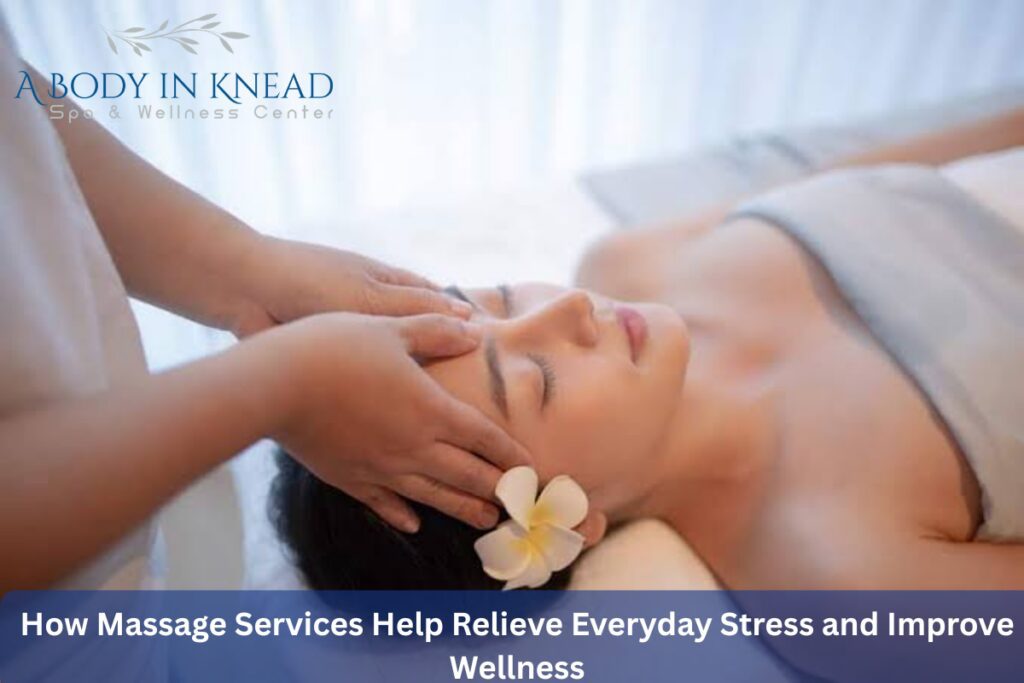
Modern life moves fast, and with busy schedules, work responsibilities, family commitments, and constant screen time, stress has become a part of everyday life for many people. While occasional stress is normal, ongoing stress can affect both your physical and mental well-being. It can lead to muscle tension, headaches, poor sleep, anxiety, fatigue, and even weaken your immune system over time. Fortunately, there are natural ways to manage stress, and one of the most effective methods is receiving regular massage services.
Professional massage therapy is much more than a luxury or an occasional treat—it is a proven wellness practice that helps relax the body, calm the mind, and promote overall health. Whether you’re dealing with workplace stress, recovering from physical activity, or simply looking for time to recharge, regular massage sessions can make a noticeable difference in how you feel every day. From improving circulation to reducing muscle stiffness and encouraging relaxation, massage offers benefits that support both your body and mind. In this guide, we’ll explore how massage services help relieve everyday stress and why making massage a regular part of your wellness routine is one of the best investments you can make in your health.
Understanding How Stress Affects Your Body
Stress is your body’s natural response to challenging situations. When faced with pressure, your brain releases hormones like cortisol and adrenaline to prepare you for action. While this response can be helpful in short-term situations, constant stress keeps your body in a heightened state of alertness.
Over time, chronic stress may contribute to a wide range of physical and emotional symptoms, including muscle tightness, neck and shoulder pain, headaches, digestive issues, anxiety, and difficulty sleeping. These symptoms can affect your work performance, relationships, and overall quality of life.
Fortunately, massage therapy helps interrupt this stress cycle by encouraging your body to relax. During a massage session, your heart rate slows, breathing becomes deeper, and your muscles begin to release stored tension. This natural response promotes healing and helps restore balance throughout the body.
Why Massage Therapy Is One of the Best Stress Management Tools
There are many ways to reduce stress, including exercise, meditation, and healthy eating. However, massage therapy offers unique benefits because it addresses both the physical and mental effects of stress at the same time.
Massage stimulates the nervous system in ways that encourage relaxation while reducing the production of stress hormones. At the same time, it promotes the release of endorphins and serotonin—natural chemicals that improve mood and create a greater sense of well-being.
Regular stress management through massage also helps improve sleep quality, increase mental clarity, and boost energy levels. Instead of simply masking symptoms, massage supports your body’s natural ability to recover from everyday stress.
Another advantage is that professional massage provides dedicated time to disconnect from daily distractions. Even a one-hour session can help you reset mentally, allowing you to return to your daily routine feeling calmer and more focused.
Massage Relieves Muscle Tension and Physical Discomfort
Stress often causes muscles to tighten without us even realizing it. Many people carry tension in the neck, shoulders, upper back, and lower back due to long hours at a desk, repetitive movements, or emotional stress.
One of the primary goals of therapeutic massage is muscle tension relief. Through carefully applied pressure and specialized techniques, massage therapists help loosen tight muscles, improve flexibility, and restore normal movement.
As circulation improves, oxygen and nutrients reach muscles more efficiently while waste products are removed more effectively. This process reduces soreness and encourages faster recovery from daily physical strain.
People who receive regular wellness massage often report:
- Less stiffness
- Reduced neck pain
- Improved posture
- Better flexibility
- Fewer tension headaches
- Increased mobility
When muscle tension decreases, your entire body feels lighter and more comfortable, making everyday activities easier and more enjoyable.
Choosing the Right Massage for Stress Relief
Not every massage technique is the same, and selecting the right one depends on your personal goals and physical condition. A licensed massage therapist can recommend the most appropriate treatment based on your needs.
For individuals looking to unwind and reduce everyday stress, a relaxation massage or Swedish massage is often the ideal choice. These techniques use smooth, flowing movements and gentle pressure to calm the nervous system, improve circulation, and promote full-body relaxation.
If you’re dealing with chronic muscle tightness or persistent pain, a deep tissue massage may provide greater relief. This technique targets deeper layers of muscle and connective tissue to release stubborn knots and improve mobility. Although it involves firmer pressure, many people find it highly effective for long-term massage for stress relief because it addresses both physical discomfort and the tension caused by ongoing stress.
No matter which technique you choose, receiving professional massage therapy from a qualified therapist ensures that your treatment is safe, personalized, and designed to help you achieve lasting results.
Better Sleep Starts with Regular Massage Therapy
Stress and poor sleep often go hand in hand. When your mind is constantly racing or your muscles remain tense, falling asleep—and staying asleep—can become difficult. Unfortunately, lack of quality sleep can increase stress levels, creating a cycle that is hard to break.
One of the greatest benefits of massage therapy is its ability to encourage deeper, more restful sleep. During a massage session, your body releases serotonin, a hormone that helps regulate mood and supports the production of melatonin, the hormone responsible for healthy sleep patterns. As stress hormones decrease, your body naturally shifts into a more relaxed state, making it easier to unwind at bedtime.
Many people notice improvements after just a few sessions, including:
- Falling asleep faster
- Sleeping more deeply
- Waking up feeling refreshed
- Reduced nighttime muscle discomfort
- Less tossing and turning
Adding regular massage services to your wellness routine can improve both your sleep quality and your overall health.
Massage Supports Mental and Emotional Well-Being
While massage is often associated with physical relaxation, it also has a powerful impact on emotional health. Everyday stress can leave you feeling overwhelmed, anxious, and mentally exhausted. Over time, these feelings can affect productivity, relationships, and overall happiness.
A professional massage creates a peaceful environment where your mind can slow down and focus on the present moment. This period of relaxation allows your nervous system to recover from the constant stimulation of work, technology, and daily responsibilities.
Many clients choose anxiety relief massage because it helps reduce nervous tension while promoting feelings of calm and emotional balance. Regular massage sessions may also improve concentration, reduce irritability, and increase your ability to manage life’s daily challenges with confidence.
Whether you’re balancing a demanding career or caring for your family, making time for self-care through massage for stress relief is an investment in your mental wellness.
Improved Circulation Helps Your Body Recover Naturally
Healthy circulation plays an important role in maintaining energy, healing tissues, and supporting overall wellness. Stress and prolonged muscle tension can restrict blood flow, leaving muscles feeling sore and fatigued.
Massage therapy encourages healthy circulation by stimulating blood flow throughout the body. As circulation improves, oxygen and nutrients reach muscles more efficiently while waste products such as lactic acid are removed more effectively.
Improved circulation offers several health benefits, including:
- Faster muscle recovery
- Reduced inflammation
- Improved flexibility
- Better joint mobility
- Healthier skin appearance
- Increased energy levels
Whether you receive a relaxation massage, deep tissue massage, or another form of therapeutic massage, improved circulation contributes to long-term physical health and recovery.
Why Choosing a Licensed Massage Therapist Matters
Not all massage experiences are the same. Working with a licensed massage therapist ensures that your treatment is both safe and effective. Licensed professionals complete specialized education and practical training, allowing them to understand anatomy, muscle function, and proper massage techniques.
An experienced therapist will take time to discuss your health history, understand your goals, and customize each session to your needs. Whether you’re looking for stress reduction, pain management, or improved mobility, personalized care delivers better results than a one-size-fits-all approach.
If you’ve ever searched for a massage therapist near me, look for a provider with strong customer reviews, professional certifications, and experience in the type of massage you’re seeking. Choosing the right therapist helps you get the greatest value from every session while building a long-term partnership focused on your wellness.
Making Massage Part of Your Wellness Routine
Many people think massage is something to enjoy only on special occasions. However, the greatest benefits come from making it a consistent part of your self-care routine.
Just as regular exercise supports physical fitness, routine wellness massage supports long-term physical and emotional health. Scheduling massage appointments every few weeks can help prevent stress from building up while keeping muscles relaxed and flexible.
To maximize the benefits of massage therapy:
- Stay hydrated before and after your session.
- Communicate openly with your therapist about discomfort or goals.
- Stretch regularly between appointments.
- Practice deep breathing exercises.
- Maintain good posture throughout the day.
- Combine massage with healthy eating and regular physical activity.
These simple habits work together to improve your overall quality of life and help you manage stress more effectively.
Frequently Asked Questions
1. How does massage therapy help reduce stress?
Massage therapy lowers stress hormones while increasing serotonin and endorphin levels. It also relaxes tense muscles, improves circulation, and calms the nervous system, helping you feel more relaxed both physically and mentally.
2. How often should I schedule massage services?
Many people benefit from a massage every two to four weeks. If you’re experiencing chronic stress, muscle pain, or recovering from an injury, your therapist may recommend more frequent sessions.
3. Which massage is best for stress relief?
A Swedish massage or relaxation massage is often the best choice for reducing everyday stress. If you also have chronic muscle tension, a deep tissue massage may provide additional relief.
4. Can massage therapy help with anxiety?
Yes. Many people choose massage for stress relief or anxiety relief massage because massage encourages relaxation, reduces muscle tension, and promotes a greater sense of emotional well-being.
5. Is massage therapy only for people with pain?
No. While massage is excellent for pain management, it’s also an effective way to reduce stress, improve sleep, increase flexibility, support circulation, and maintain overall wellness.
6. What should I expect during my first massage?
Your therapist will discuss your health history, ask about your goals, explain the treatment process, and adjust pressure levels based on your comfort. Communication is encouraged throughout the session.
7. How long does it take to feel the benefits of massage?
Many people feel more relaxed immediately after their first session. Long-term benefits become even more noticeable with regular massage therapy.
8. How do I choose the right massage therapist?
Look for a licensed professional with positive reviews, relevant experience, and a commitment to personalized care. Searching for a trusted massage therapist near me is a great place to start.
Final Thoughts
Stress is an unavoidable part of modern life, but how you manage it can make a significant difference in your overall health and happiness. Professional massage services provide a natural, effective way to reduce everyday stress while improving both physical and emotional well-being. From easing muscle tension and promoting better sleep to enhancing circulation and supporting mental clarity, massage therapy offers benefits that extend far beyond simple relaxation.
Whether you’re interested in a gentle relaxation massage, a therapeutic deep tissue massage, or ongoing professional massage therapy, investing in regular care can help you feel healthier, calmer, and more energized. Working with a licensed massage therapist
How Muscle Pain Treatment Helps You Recover Faster and Feel Better

Muscle pain can affect anyone, whether you’re an athlete pushing your limits, an office worker sitting at a desk all day, or someone recovering from a physically demanding task. While occasional soreness is a normal part of life, ongoing muscle discomfort can make everyday activities more difficult, reduce mobility, and prevent you from enjoying the things you love. Ignoring muscle pain often allows minor problems to develop into chronic conditions that require more time and effort to resolve. That’s why seeking the right muscle pain treatment early is one of the best ways to support a faster and healthier recovery.
At A Body in Knead, we believe recovery involves more than simply reducing discomfort. Our goal is to help restore movement, improve flexibility, and encourage your body’s natural healing process through personalized care. Professional massage therapy and targeted soft tissue techniques can relieve muscle tightness, improve circulation, and promote long-term wellness without relying solely on medication. In this guide, you’ll learn how muscle pain develops, why treatment matters, and how the right approach can help you recover faster and return to your daily routine with confidence.
Understanding Muscle Pain
Muscle pain, also known as myalgia, occurs when muscles become strained, overworked, inflamed, or injured. It may result from exercise, repetitive movements, poor posture, stress, lifting heavy objects, or simply remaining in one position for long periods.
Some muscle soreness disappears within a day or two, while other types of pain may persist for weeks without proper care. Chronic tightness can reduce flexibility, limit range of motion, and increase your risk of additional injuries.
Recognizing the cause of your discomfort is the first step toward selecting the most effective treatment plan.
Why Early Muscle Pain Treatment Matters
Delaying muscle pain treatment often allows inflammation and muscle tightness to worsen. What begins as mild soreness may eventually affect your posture, movement, and overall quality of life.
Early treatment helps reduce discomfort before muscles become increasingly restricted. Addressing pain promptly also prevents your body from developing unhealthy movement patterns that place extra stress on surrounding muscles and joints.
Receiving care early often leads to:
- Faster healing
- Better mobility
- Reduced inflammation
- Improved flexibility
- Lower risk of recurring pain
Small problems are generally easier to treat than long-standing muscle dysfunction.
How Massage Therapy Supports Recovery
Professional massage therapy plays a significant role in helping the body recover naturally after muscle strain, physical activity, or everyday stress.
Massage increases blood circulation, delivering oxygen and nutrients to injured tissues while helping remove metabolic waste products that contribute to soreness and stiffness.
Improved circulation supports your body’s natural healing response while encouraging healthier muscle function.
Massage also helps calm the nervous system, reducing stress and allowing muscles to relax more completely.
For many individuals, consistent massage sessions lead to noticeable improvements in comfort, flexibility, and overall physical performance.
Therapeutic Massage for Targeted Healing
Unlike a basic relaxation massage, therapeutic massage focuses on addressing specific areas of pain, tightness, or restricted movement.
Your massage therapist evaluates muscle tension, posture, mobility, and your personal health goals before selecting the most appropriate techniques.
Therapeutic massage may include:
- Trigger point therapy
- Stretching techniques
- Myofascial work
- Joint mobilization
- Compression techniques
- Soft tissue therapy
Because treatment is personalized, each session addresses your unique recovery needs.
Deep Tissue Massage for Stubborn Muscle Pain
When muscles remain tight for extended periods, deep tissue massage can provide meaningful relief.
This technique uses slow, firm pressure to reach deeper muscle layers and connective tissues where chronic tension often develops.
Deep tissue massage is commonly recommended for:
- Chronic neck pain
- Lower back pain
- Shoulder tightness
- Repetitive strain injuries
- Sports recovery
- Muscle stiffness
Although pressure is firmer than traditional massage, treatments should always remain comfortable and customized to your tolerance level.
Many clients notice improved movement and reduced discomfort after several consistent sessions.
The Importance of Soft Tissue Therapy
Muscles rarely work alone. Tendons, ligaments, fascia, and connective tissues all contribute to healthy movement.
That’s why soft tissue therapy has become an essential part of comprehensive muscle care.
Soft tissue therapy focuses on restoring flexibility and function throughout the body’s connective tissues while reducing scar tissue, stiffness, and movement restrictions.
Improving tissue quality allows muscles to work more efficiently while decreasing stress on nearby joints.
This approach often leads to smoother movement and a lower risk of future injuries.
Muscle Tension Relief Improves Mobility
One of the most immediate benefits of professional treatment is muscle tension relief.
Tight muscles limit flexibility and reduce range of motion, making ordinary movements feel uncomfortable or difficult.
Massage helps loosen shortened muscle fibers while encouraging healthy circulation and tissue mobility.
As muscle tension decreases, patients often experience:
- Better posture
- Improved flexibility
- Easier movement
- Reduced stiffness
- Increased comfort during daily activities
Greater mobility also supports safer exercise and reduces the likelihood of overcompensation injuries.
Managing Chronic Pain Naturally
Many people seek massage because they’re searching for chronic pain relief without relying exclusively on medication.
Long-term muscle pain may develop from poor posture, repetitive movements, previous injuries, stress, or overuse.
Professional massage therapy helps address these underlying factors while encouraging natural healing and relaxation.
Combined with healthy movement, stretching, hydration, and proper recovery habits, massage becomes an effective part of a long-term pain management strategy.
Why a Licensed Massage Therapist Makes a Difference
Choosing a qualified licensed massage therapist ensures your care is both safe and effective.
Licensed professionals receive specialized education in anatomy, physiology, pathology, and evidence-based massage techniques. They understand how muscles function and how to adapt treatments based on your individual needs.
An experienced therapist will also:
- Review your health history
- Assess muscle tension
- Discuss treatment goals
- Monitor your comfort
- Adjust techniques as needed
This personalized approach helps maximize recovery while minimizing unnecessary discomfort.
Healthy Habits That Speed Recovery
Massage works best when combined with healthy daily habits.
Supporting your muscle recovery involves more than attending appointments. Small lifestyle changes can significantly improve healing and prevent future pain.
Helpful recovery habits include:
- Staying hydrated
- Stretching regularly
- Sleeping 7–9 hours each night
- Eating a balanced diet
- Warming up before exercise
- Cooling down afterward
- Taking rest days
- Maintaining good posture
- Managing stress
- Scheduling regular massage sessions
Consistency helps your body recover more efficiently while maintaining healthier muscles over time.
Frequently Asked Questions
What is muscle pain treatment?
Muscle pain treatment includes therapies designed to reduce soreness, improve mobility, restore muscle function, and encourage natural healing.
How does massage therapy help muscle recovery?
Massage therapy improves circulation, relaxes tight muscles, reduces inflammation, and supports tissue repair, helping the body recover more efficiently.
Is therapeutic massage different from regular massage?
Yes. Therapeutic massage focuses on treating specific muscle problems, injuries, or mobility limitations rather than providing relaxation alone.
Does deep tissue massage hurt?
Deep tissue massage uses firm pressure but should never be excessively painful. Your therapist adjusts pressure according to your comfort level.
What is soft tissue therapy?
Soft tissue therapy treats muscles, fascia, tendons, and connective tissues to improve flexibility, reduce restrictions, and promote healthier movement.
Can massage help chronic pain?
Many people experience meaningful chronic pain relief through consistent massage therapy combined with healthy lifestyle habits and proper medical guidance.
How often should I schedule massage therapy?
Treatment frequency depends on your condition and goals. Your licensed massage therapist can recommend a schedule that’s appropriate for your recovery.
Final Thoughts
Recovering from muscle pain doesn’t have to be a slow or frustrating process. With the right muscle pain treatment, you can reduce discomfort, improve mobility, and support your body’s natural healing process more effectively. Professional massage therapy, therapeutic massage, deep tissue massage, and soft tissue therapy work together to provide lasting muscle tension relief, promote muscle recovery, and support long-term chronic pain relief. By addressing the root causes of muscle discomfort instead of simply masking symptoms, these treatments help you move more comfortably and return to your daily activities with confidence.
At A Body in Knead, our experienced licensed massage therapists are committed to creating personalized treatment plans that fit your unique needs and recovery goals. Whether you’re recovering from an injury, managing chronic muscle tension, or simply looking to improve your overall wellness, we’re here to help you feel stronger, healthier, and more comfortable through compassionate, professional care
Lymphatic Drainage Massages

We are seeing an uptick in interest in Lymphatic Drainage Massage requests. We thought it would be a good idea to share some information here for those interested.
The purpose of lymphatic drainage massage is to stimulate the lymphatic system so your body can more efficiently remove excess fluid, waste, and toxins. It’s gentle, rhythmic, and very different from deep tissue work.
Here’s what it’s mainly used for:
1. Reduce swelling & fluid retention
It helps move trapped lymph fluid, which can reduce:
- Puffiness (face, hands, legs)
- Post-surgical swelling
- Edema from injury or inflammation
2. Support immune function
The lymphatic system is a key part of your immune system. When lymph flows better, your body is better at:
- Filtering out bacteria and waste
- Supporting overall immune response
3. Improve circulation (without stressing the body)
Unlike massage that works muscles, lymphatic drainage works just under the skin to encourage fluid movement—great for people who can’t tolerate pressure.
4. Aid detoxification
Your body detoxes naturally, but lymphatic massage helps speed up waste removal, which can leave people feeling lighter and less sluggish.
5. Post-surgical & medical support
Often recommended after:
- Cosmetic surgery (like liposuction)
- Orthopedic procedures
- Cancer treatment (with medical clearance)
6. Relax the nervous system
It’s very calming and can help reduce stress, fatigue, and headaches.
Who benefits most:
- People with swelling or inflammation
- Those feeling heavy, bloated, or fatigued
- Clients recovering from surgery (with approval)
- Anyone wanting a gentle, restorative massage
Look for Pam, Isabella, Michaela, and Ariel when booking.