
Posts Tagged ‘stress relief’
Why Swedish Massage Therapy Is Perfect for Stress Relief

Life can feel overwhelming at times. Between demanding work schedules, family responsibilities, daily commutes, and constant digital distractions, it’s easy to experience ongoing stress that affects both your body and mind. While many people turn to temporary solutions like caffeine, screen time, or short breaks, these often provide only brief relief. One of the most natural and effective ways to reduce everyday stress is through Swedish massage therapy. This gentle yet highly effective form of massage therapy helps calm the nervous system, relax tense muscles, and restore a sense of balance that many people struggle to achieve in their busy lives.
Unlike more intensive massage techniques, Swedish massage focuses on long, flowing strokes, gentle kneading, and rhythmic movements that encourage deep relaxation. It not only helps relieve physical discomfort but also supports emotional well-being by lowering stress hormones and improving circulation. Whether you’re dealing with workplace pressure, muscle stiffness, or simply looking for a healthier way to unwind, Swedish massage offers a holistic solution that benefits your entire body. In this guide, we’ll explore why Swedish massage therapy is considered one of the best options for stress relief, how it works, and why making it part of your wellness routine can improve your overall quality of life.
Understanding How Stress Affects Your Body
Stress is a normal response to life’s challenges, but when it becomes constant, it can begin to affect nearly every system in your body. Elevated stress levels trigger the release of hormones like cortisol and adrenaline, preparing your body for short-term action. However, when these hormones remain elevated for extended periods, they can contribute to physical and emotional health problems.
Common symptoms of chronic stress include:
- Tight shoulders and neck muscles
- Frequent headaches
- Poor sleep quality
- Fatigue
- Anxiety
- Muscle stiffness
- Difficulty concentrating
These symptoms often develop gradually, making them easy to overlook until they begin interfering with your daily life.
This is where Swedish massage therapy becomes especially valuable. Through gentle, rhythmic movements, it helps your body transition from a state of tension into one of deep relaxation. As your muscles loosen and your breathing slows, your nervous system begins to recover from the constant demands of everyday life.
How Swedish Massage Therapy Relieves Stress Naturally
One of the biggest Swedish massage benefits is its ability to reduce stress without medication or invasive treatments. Instead of simply masking symptoms, massage works with your body’s natural healing processes.
During a relaxation massage, your therapist uses smooth gliding strokes, gentle kneading, circular movements, and light stretching techniques to relax muscles and stimulate healthy circulation. These movements encourage the release of endorphins and serotonin, which naturally improve mood while reducing feelings of stress and anxiety.
At the same time, professional massage therapy lowers cortisol levels—the hormone most closely associated with chronic stress. As cortisol decreases, your body experiences several positive changes:
- Slower heart rate
- Lower blood pressure
- Improved breathing
- Relaxed muscles
- Greater mental clarity
- Enhanced emotional balance
Many clients leave a massage session feeling refreshed, lighter, and better equipped to manage daily challenges.
Muscle Tension Relief Improves Everyday Comfort
Stress doesn’t only affect your mind—it often settles into your muscles. Long hours at a computer, repetitive movements, poor posture, and emotional tension commonly lead to tightness in the neck, shoulders, back, and hips.
One of the primary goals of therapeutic massage is muscle tension relief. As muscles begin to relax, circulation improves, allowing oxygen and nutrients to reach affected tissues more efficiently while helping remove waste products that contribute to soreness.
Many people notice improvements in:
- Neck pain
- Shoulder stiffness
- Lower back discomfort
- Hip tightness
- Headaches
- Overall flexibility
Unlike temporary solutions such as pain medication, massage addresses the underlying muscular tension contributing to discomfort.
Regular wellness massage sessions can also help improve posture, making everyday movements easier and reducing the likelihood of recurring muscle strain.
Why Swedish Massage Is Ideal for Most People
There are many different massage techniques available today, but Swedish massage remains one of the most popular because it is suitable for nearly everyone. Whether you’re new to massage or receive treatments regularly, Swedish massage offers a comfortable experience that focuses on whole-body relaxation.
Unlike a deep tissue massage, which uses firmer pressure to address chronic muscle knots, Swedish massage emphasizes gentle, flowing movements that calm the nervous system while encouraging body relaxation. This makes it an excellent option for individuals experiencing everyday stress, mild muscle tension, fatigue, or difficulty sleeping.
Because the pressure can be adjusted to your comfort level, a licensed massage therapist can personalize every session to match your needs. Whether your goal is reducing stress, improving circulation, or simply taking time for self-care, Swedish massage provides a safe and highly effective wellness experience that supports both physical and emotional health.
Better Sleep Is One of the Greatest Swedish Massage Benefits
Quality sleep is one of the most important parts of maintaining good health, yet many people struggle to get enough restful sleep because of stress, anxiety, or muscle discomfort. When your body remains tense and your mind stays active, falling asleep can become difficult, creating a cycle that increases stress even further.
One of the most appreciated Swedish massage benefits is improved sleep quality. During a massage session, your body naturally produces more serotonin, which supports the production of melatonin—the hormone responsible for regulating healthy sleep patterns. As muscle tension decreases and stress hormones decline, your body becomes more prepared for deep, restorative sleep.
Many clients notice positive changes after regular sessions, including:
- Falling asleep faster
- Sleeping more deeply
- Waking up feeling refreshed
- Reduced nighttime discomfort
- Better daytime energy
- Improved focus and concentration
Consistent massage therapy helps restore healthy sleep habits, allowing both your body and mind to recover more effectively from everyday stress.
Improved Circulation Supports Overall Wellness
Healthy circulation is essential for delivering oxygen and nutrients throughout the body. Poor circulation can contribute to fatigue, muscle soreness, swelling, and slower recovery after physical activity.
A Swedish massage encourages healthy blood flow through long, rhythmic strokes that gently stimulate the muscles and surrounding tissues. Improved circulation helps transport oxygen more efficiently while removing waste products that accumulate in overworked muscles.
The benefits of better circulation include:
- Faster muscle recovery
- Reduced stiffness
- Increased flexibility
- Healthier skin
- Better mobility
- More consistent energy levels
Whether you receive a full body massage for relaxation or ongoing wellness, improved circulation plays an important role in helping your body function at its best.
Swedish Massage Supports Mental and Emotional Health
While Swedish massage is well known for reducing physical discomfort, its impact on emotional well-being is equally valuable. In today’s fast-paced world, taking time to slow down and focus on self-care has become increasingly important.
During a stress relief massage, your mind has an opportunity to disconnect from constant distractions and daily responsibilities. The calming environment, gentle techniques, and therapeutic touch encourage your nervous system to shift into a more relaxed state.
Many people report experiencing:
- Reduced anxiety
- Improved mood
- Greater emotional balance
- Increased mental clarity
- Better productivity
- A stronger sense of overall well-being
For individuals dealing with workplace pressure, family responsibilities, or busy schedules, regular massage appointments provide valuable time to recharge both physically and emotionally.
Why Choosing Professional Massage Therapy Matters
Receiving massage from a trained professional ensures that every treatment is both safe and effective. A licensed massage therapist has the education and experience needed to understand anatomy, muscle function, and the techniques required to provide personalized care.
Before beginning treatment, your therapist will discuss your goals, health history, and any areas of discomfort. This allows each session to be customized according to your specific needs, whether your priority is stress reduction, relaxation, or improved mobility.
If you’ve searched online for a massage therapist near me, consider choosing a provider who offers:
- Professional licensing and certification
- Positive customer reviews
- Experience with Swedish massage
- Personalized treatment plans
- A clean and comfortable environment
- Excellent communication
Working with a qualified therapist helps you enjoy the full benefits of professional massage therapy while ensuring your safety and comfort throughout every appointment.
Making Swedish Massage Part of Your Wellness Routine
Many people wait until stress becomes overwhelming before scheduling a massage. However, the greatest benefits come from making massage a regular part of your overall wellness routine.
Routine wellness massage appointments help prevent stress from building up while keeping muscles flexible and promoting long-term relaxation. Rather than simply treating discomfort after it appears, regular massage supports preventive health by helping your body recover before tension becomes chronic.
To maximize your results:
- Drink plenty of water after your massage.
- Stretch regularly between appointments.
- Maintain good posture throughout the day.
- Exercise consistently.
- Practice deep breathing exercises.
- Eat a balanced diet.
- Prioritize quality sleep.
- Schedule massages on a regular basis.
Small lifestyle changes combined with consistent massage therapy create lasting improvements in both physical and emotional wellness.
Frequently Asked Questions
1. What is Swedish massage therapy?
Swedish massage therapy is a gentle massage technique that uses long, flowing strokes, kneading, circular movements, and light stretching to promote relaxation, improve circulation, and reduce stress.
2. Is Swedish massage good for stress relief?
Yes. Swedish massage is one of the most effective forms of massage for stress relief because it lowers cortisol levels, relaxes muscles, and promotes a calming effect on the nervous system.
3. How often should I get a Swedish massage?
Many people benefit from a massage every two to four weeks. Those experiencing higher stress levels may choose more frequent sessions based on their therapist’s recommendations.
4. What is the difference between Swedish massage and deep tissue massage?
A Swedish massage focuses on gentle relaxation and improved circulation, while deep tissue massage uses firmer pressure to target deeper muscle layers and chronic muscle tension.
5. Can Swedish massage improve sleep?
Yes. Swedish massage encourages relaxation, supports serotonin production, reduces stress hormones, and helps many people enjoy deeper, more restful sleep.
6. Is Swedish massage suitable for beginners?
Absolutely. Its gentle pressure and relaxing techniques make Swedish massage one of the best options for individuals receiving massage therapy for the first time.
7. Does Swedish massage help with muscle pain?
Yes. It provides effective muscle tension relief, improves circulation, and reduces stiffness caused by everyday activities and stress.
8. How do I choose the right massage therapist?
Choose a licensed massage therapist with strong reviews, professional credentials, and experience providing personalized Swedish massage treatments.
Final Thoughts
In today’s busy world, finding healthy ways to manage stress is essential for maintaining both physical and emotional well-being. Swedish massage therapy offers a gentle, natural, and highly effective solution for reducing everyday stress while improving overall health. From promoting deep body relaxation and easing muscle tension to enhancing circulation, supporting better sleep, and improving emotional balance, the benefits extend far beyond the massage table.
Whether you’re scheduling your first appointment or making massage part of your long-term wellness routine, investing in regular massage therapy is an investment in yourself. Working with a licensed massage therapist ensures that each session is customized to your individual needs, helping you experience lasting relief and renewed energy
How Massage Services Help Relieve Everyday Stress and Improve Wellness
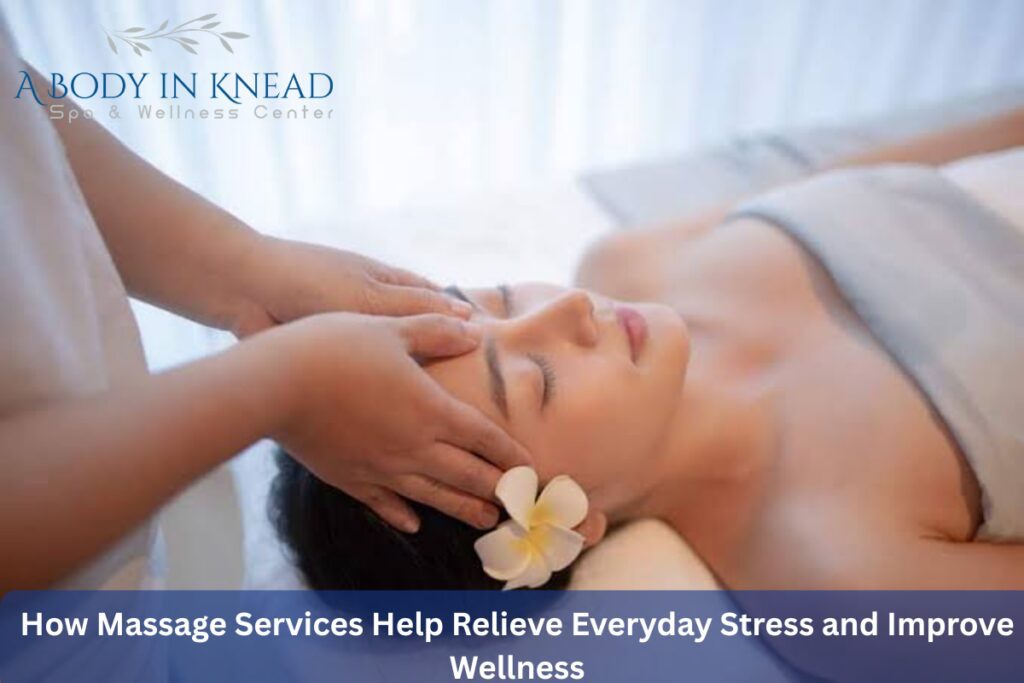
Modern life moves fast, and with busy schedules, work responsibilities, family commitments, and constant screen time, stress has become a part of everyday life for many people. While occasional stress is normal, ongoing stress can affect both your physical and mental well-being. It can lead to muscle tension, headaches, poor sleep, anxiety, fatigue, and even weaken your immune system over time. Fortunately, there are natural ways to manage stress, and one of the most effective methods is receiving regular massage services.
Professional massage therapy is much more than a luxury or an occasional treat—it is a proven wellness practice that helps relax the body, calm the mind, and promote overall health. Whether you’re dealing with workplace stress, recovering from physical activity, or simply looking for time to recharge, regular massage sessions can make a noticeable difference in how you feel every day. From improving circulation to reducing muscle stiffness and encouraging relaxation, massage offers benefits that support both your body and mind. In this guide, we’ll explore how massage services help relieve everyday stress and why making massage a regular part of your wellness routine is one of the best investments you can make in your health.
Understanding How Stress Affects Your Body
Stress is your body’s natural response to challenging situations. When faced with pressure, your brain releases hormones like cortisol and adrenaline to prepare you for action. While this response can be helpful in short-term situations, constant stress keeps your body in a heightened state of alertness.
Over time, chronic stress may contribute to a wide range of physical and emotional symptoms, including muscle tightness, neck and shoulder pain, headaches, digestive issues, anxiety, and difficulty sleeping. These symptoms can affect your work performance, relationships, and overall quality of life.
Fortunately, massage therapy helps interrupt this stress cycle by encouraging your body to relax. During a massage session, your heart rate slows, breathing becomes deeper, and your muscles begin to release stored tension. This natural response promotes healing and helps restore balance throughout the body.
Why Massage Therapy Is One of the Best Stress Management Tools
There are many ways to reduce stress, including exercise, meditation, and healthy eating. However, massage therapy offers unique benefits because it addresses both the physical and mental effects of stress at the same time.
Massage stimulates the nervous system in ways that encourage relaxation while reducing the production of stress hormones. At the same time, it promotes the release of endorphins and serotonin—natural chemicals that improve mood and create a greater sense of well-being.
Regular stress management through massage also helps improve sleep quality, increase mental clarity, and boost energy levels. Instead of simply masking symptoms, massage supports your body’s natural ability to recover from everyday stress.
Another advantage is that professional massage provides dedicated time to disconnect from daily distractions. Even a one-hour session can help you reset mentally, allowing you to return to your daily routine feeling calmer and more focused.
Massage Relieves Muscle Tension and Physical Discomfort
Stress often causes muscles to tighten without us even realizing it. Many people carry tension in the neck, shoulders, upper back, and lower back due to long hours at a desk, repetitive movements, or emotional stress.
One of the primary goals of therapeutic massage is muscle tension relief. Through carefully applied pressure and specialized techniques, massage therapists help loosen tight muscles, improve flexibility, and restore normal movement.
As circulation improves, oxygen and nutrients reach muscles more efficiently while waste products are removed more effectively. This process reduces soreness and encourages faster recovery from daily physical strain.
People who receive regular wellness massage often report:
- Less stiffness
- Reduced neck pain
- Improved posture
- Better flexibility
- Fewer tension headaches
- Increased mobility
When muscle tension decreases, your entire body feels lighter and more comfortable, making everyday activities easier and more enjoyable.
Choosing the Right Massage for Stress Relief
Not every massage technique is the same, and selecting the right one depends on your personal goals and physical condition. A licensed massage therapist can recommend the most appropriate treatment based on your needs.
For individuals looking to unwind and reduce everyday stress, a relaxation massage or Swedish massage is often the ideal choice. These techniques use smooth, flowing movements and gentle pressure to calm the nervous system, improve circulation, and promote full-body relaxation.
If you’re dealing with chronic muscle tightness or persistent pain, a deep tissue massage may provide greater relief. This technique targets deeper layers of muscle and connective tissue to release stubborn knots and improve mobility. Although it involves firmer pressure, many people find it highly effective for long-term massage for stress relief because it addresses both physical discomfort and the tension caused by ongoing stress.
No matter which technique you choose, receiving professional massage therapy from a qualified therapist ensures that your treatment is safe, personalized, and designed to help you achieve lasting results.
Better Sleep Starts with Regular Massage Therapy
Stress and poor sleep often go hand in hand. When your mind is constantly racing or your muscles remain tense, falling asleep—and staying asleep—can become difficult. Unfortunately, lack of quality sleep can increase stress levels, creating a cycle that is hard to break.
One of the greatest benefits of massage therapy is its ability to encourage deeper, more restful sleep. During a massage session, your body releases serotonin, a hormone that helps regulate mood and supports the production of melatonin, the hormone responsible for healthy sleep patterns. As stress hormones decrease, your body naturally shifts into a more relaxed state, making it easier to unwind at bedtime.
Many people notice improvements after just a few sessions, including:
- Falling asleep faster
- Sleeping more deeply
- Waking up feeling refreshed
- Reduced nighttime muscle discomfort
- Less tossing and turning
Adding regular massage services to your wellness routine can improve both your sleep quality and your overall health.
Massage Supports Mental and Emotional Well-Being
While massage is often associated with physical relaxation, it also has a powerful impact on emotional health. Everyday stress can leave you feeling overwhelmed, anxious, and mentally exhausted. Over time, these feelings can affect productivity, relationships, and overall happiness.
A professional massage creates a peaceful environment where your mind can slow down and focus on the present moment. This period of relaxation allows your nervous system to recover from the constant stimulation of work, technology, and daily responsibilities.
Many clients choose anxiety relief massage because it helps reduce nervous tension while promoting feelings of calm and emotional balance. Regular massage sessions may also improve concentration, reduce irritability, and increase your ability to manage life’s daily challenges with confidence.
Whether you’re balancing a demanding career or caring for your family, making time for self-care through massage for stress relief is an investment in your mental wellness.
Improved Circulation Helps Your Body Recover Naturally
Healthy circulation plays an important role in maintaining energy, healing tissues, and supporting overall wellness. Stress and prolonged muscle tension can restrict blood flow, leaving muscles feeling sore and fatigued.
Massage therapy encourages healthy circulation by stimulating blood flow throughout the body. As circulation improves, oxygen and nutrients reach muscles more efficiently while waste products such as lactic acid are removed more effectively.
Improved circulation offers several health benefits, including:
- Faster muscle recovery
- Reduced inflammation
- Improved flexibility
- Better joint mobility
- Healthier skin appearance
- Increased energy levels
Whether you receive a relaxation massage, deep tissue massage, or another form of therapeutic massage, improved circulation contributes to long-term physical health and recovery.
Why Choosing a Licensed Massage Therapist Matters
Not all massage experiences are the same. Working with a licensed massage therapist ensures that your treatment is both safe and effective. Licensed professionals complete specialized education and practical training, allowing them to understand anatomy, muscle function, and proper massage techniques.
An experienced therapist will take time to discuss your health history, understand your goals, and customize each session to your needs. Whether you’re looking for stress reduction, pain management, or improved mobility, personalized care delivers better results than a one-size-fits-all approach.
If you’ve ever searched for a massage therapist near me, look for a provider with strong customer reviews, professional certifications, and experience in the type of massage you’re seeking. Choosing the right therapist helps you get the greatest value from every session while building a long-term partnership focused on your wellness.
Making Massage Part of Your Wellness Routine
Many people think massage is something to enjoy only on special occasions. However, the greatest benefits come from making it a consistent part of your self-care routine.
Just as regular exercise supports physical fitness, routine wellness massage supports long-term physical and emotional health. Scheduling massage appointments every few weeks can help prevent stress from building up while keeping muscles relaxed and flexible.
To maximize the benefits of massage therapy:
- Stay hydrated before and after your session.
- Communicate openly with your therapist about discomfort or goals.
- Stretch regularly between appointments.
- Practice deep breathing exercises.
- Maintain good posture throughout the day.
- Combine massage with healthy eating and regular physical activity.
These simple habits work together to improve your overall quality of life and help you manage stress more effectively.
Frequently Asked Questions
1. How does massage therapy help reduce stress?
Massage therapy lowers stress hormones while increasing serotonin and endorphin levels. It also relaxes tense muscles, improves circulation, and calms the nervous system, helping you feel more relaxed both physically and mentally.
2. How often should I schedule massage services?
Many people benefit from a massage every two to four weeks. If you’re experiencing chronic stress, muscle pain, or recovering from an injury, your therapist may recommend more frequent sessions.
3. Which massage is best for stress relief?
A Swedish massage or relaxation massage is often the best choice for reducing everyday stress. If you also have chronic muscle tension, a deep tissue massage may provide additional relief.
4. Can massage therapy help with anxiety?
Yes. Many people choose massage for stress relief or anxiety relief massage because massage encourages relaxation, reduces muscle tension, and promotes a greater sense of emotional well-being.
5. Is massage therapy only for people with pain?
No. While massage is excellent for pain management, it’s also an effective way to reduce stress, improve sleep, increase flexibility, support circulation, and maintain overall wellness.
6. What should I expect during my first massage?
Your therapist will discuss your health history, ask about your goals, explain the treatment process, and adjust pressure levels based on your comfort. Communication is encouraged throughout the session.
7. How long does it take to feel the benefits of massage?
Many people feel more relaxed immediately after their first session. Long-term benefits become even more noticeable with regular massage therapy.
8. How do I choose the right massage therapist?
Look for a licensed professional with positive reviews, relevant experience, and a commitment to personalized care. Searching for a trusted massage therapist near me is a great place to start.
Final Thoughts
Stress is an unavoidable part of modern life, but how you manage it can make a significant difference in your overall health and happiness. Professional massage services provide a natural, effective way to reduce everyday stress while improving both physical and emotional well-being. From easing muscle tension and promoting better sleep to enhancing circulation and supporting mental clarity, massage therapy offers benefits that extend far beyond simple relaxation.
Whether you’re interested in a gentle relaxation massage, a therapeutic deep tissue massage, or ongoing professional massage therapy, investing in regular care can help you feel healthier, calmer, and more energized. Working with a licensed massage therapist
Why Hydration and Massage Matter in Bangor, Maine

In a place like Bangor, people spend a large part of the year battling cold weather, long work weeks, physical labor, stress, and seasonal fatigue. Between Maine winters, outdoor recreation, long drives, desk jobs, and active lifestyles, the body often carries more tension than people realize.
That is where hydration and massage therapy begin to work together.
At A Body in Knead, many clients come in feeling tight, exhausted, mentally drained, or sore from daily life. One of the simplest but most overlooked tools for recovery is proper hydration before and after massage therapy.
Water is not just about quenching thirst. The body depends on hydration for circulation, muscle function, joint mobility, nervous system regulation, and tissue recovery. When combined with massage therapy, hydration can help support how the body responds to treatment and recovery afterward.
Why Hydration Matters for Muscle Health
Muscles contain a high percentage of water. When the body becomes dehydrated, muscle tissue may feel tighter, more sensitive, and less resilient. This can contribute to stiffness, cramping, fatigue, and reduced flexibility.
For people in Bangor who spend time:
- Hiking Maine trails
- Working physical jobs
- Sitting long hours at desks
- Traveling frequently
- Exercising regularly
- Dealing with stress and tension
…hydration often drops lower than they realize.
Massage therapists frequently notice that well-hydrated tissue tends to respond more smoothly during sessions. Dehydrated muscles can feel more resistant and irritated during deeper therapeutic work.
Some research and educational reviews suggest massage therapy may help temporarily reduce pain, tension, and stress while supporting circulation and relaxation.
Massage and Circulation
Massage therapy encourages movement throughout soft tissue and may help stimulate circulation. Better circulation means oxygen and nutrients can move more efficiently throughout the body.
Hydration supports that process.
When clients receive massage while staying adequately hydrated, many report:
- Feeling less sluggish afterward
- Reduced post-session soreness
- Improved mobility
- Better recovery from workouts or physical activity
- Easier muscle relaxation
While massage is not a cure-all, research continues exploring how it may positively influence circulation, stress response, muscle soreness, and relaxation.
Bangor’s Lifestyle and Physical Stress
Living in Maine often means balancing activity with recovery.
In Bangor and surrounding communities, many residents spend weekends:
- Hiking near Acadia National Park
- Walking the waterfront
- Kayaking Maine lakes
- Snow blowing during winter
- Working construction or healthcare jobs
- Training in gyms or outdoor sports
The body accumulates stress from both movement and stillness. Ironically, sitting at a computer all day can create as much muscular tension as intense physical activity.
Massage therapy can become part of a broader recovery routine that includes:
- Sleep
- Stretching
- Movement
- Nutrition
- Hydration
- Stress management
People often wait until pain becomes severe before addressing tension. Consistent self-care tends to work better than emergency recovery.
The Nervous System Connection
One of the biggest reasons people seek massage therapy is not just muscle pain — it is nervous system overload.
Modern life keeps many people in a constant “fight or flight” state:
- Notifications
- Deadlines
- Stress
- Financial pressure
- Poor sleep
- Mental exhaustion
Massage therapy may help encourage the parasympathetic nervous system — the body’s “rest and recovery” mode. Research reviews have noted reductions in stress markers, heart rate, and anxiety after massage sessions in some individuals.
Hydration supports nervous system function as well. Even mild dehydration may contribute to fatigue, headaches, brain fog, and irritability.
Together, massage and hydration can support a stronger sense of physical and mental recovery.
Fascia, Flexibility, and Recovery
Massage therapists also work with fascia — connective tissue surrounding muscles and structures throughout the body.
Fascia responds to:
- Stress
- Repetitive movement
- Injury
- Posture
- Hydration levels
Many therapists observe that hydrated tissue often moves more freely and comfortably during treatment.
This matters for:
- Deep tissue massage
- Sports recovery
- Mobility work
- Chronic tension patterns
- Active clients in Bangor’s outdoor culture
Whether someone is training hard or simply sitting too long at work, tissue health matters.
Practical Hydration Tips Before and After Massage
Hydration does not mean forcing excessive water intake all at once. Consistency matters more.
Helpful habits include:
- Drinking water steadily throughout the day
- Increasing hydration after exercise or sweating
- Limiting excessive alcohol before massage sessions
- Replacing electrolytes when physically active
- Drinking water after deep tissue or therapeutic massage
Massage therapy schools and wellness educators commonly encourage hydration after sessions to support recovery and reduce soreness.
Wellness in Maine Is About Sustainability
Wellness is not perfection.
In Maine, especially around Bangor, many people pride themselves on pushing through discomfort. But constantly ignoring stress, tension, and exhaustion eventually catches up physically.
Massage therapy is not simply a luxury experience. For many people, it becomes part of maintaining function, mobility, recovery, and mental balance.
Combined with hydration, movement, and recovery habits, massage can help people feel more connected to their body again.
Sometimes the goal is not to perform harder.
Sometimes the goal is simply to feel human again.
Why Your Massage Should Include a 360° Adjustable Face Cradle
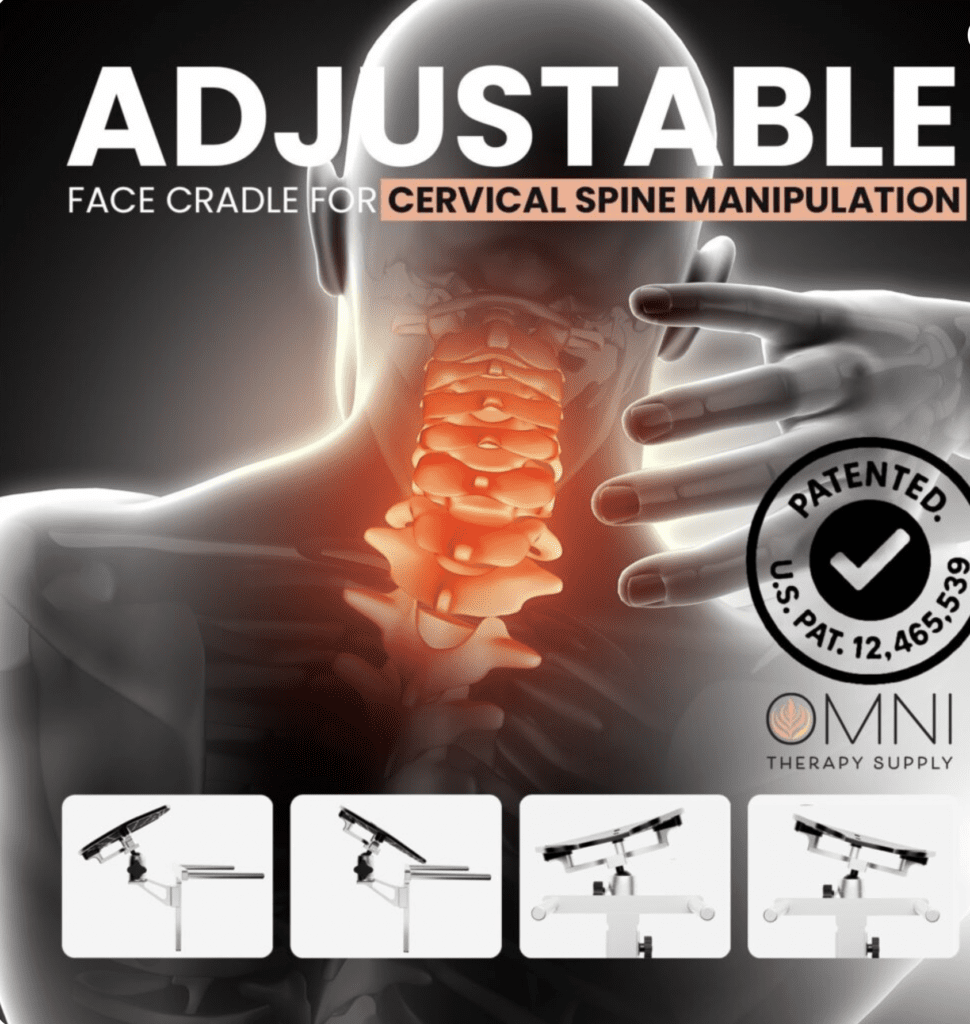
When it comes to a truly relaxing massage, every detail matters—especially how your head and neck are supported. That’s why at A Body in Knead, we use a 360° Adjustable Face Cradle to make your experience as comfortable and effective as possible.
What Makes a 360° Face Cradle Different?
Unlike standard face cradles, a 360° adjustable design allows your therapist to:
- Tilt and rotate your head perfectly to reduce neck strain
- Relieve pressure on the eyes, nose, and jaw
- Customize support for every client, no matter your size or face shape
This means you can fully relax during your massage without holding tension in your face or neck.
The Benefits for You
- Enhanced Comfort
Even a slight misalignment in a standard cradle can create discomfort over a long massage. The 360 cradle adjusts in every direction so your head rests naturally and comfortably. - Better Breathing & Relaxation
By reducing pressure on your face, you can breathe easier and sink deeper into relaxation. - Improved Massage Effectiveness
When your head and neck are perfectly supported, your therapist can focus more on your muscles and tension points—so you get maximum benefit from every technique. - Gentle on Sensitive Areas
If you have TMJ, sinus sensitivity, or headaches, the 360° cradle minimizes strain and pressure, making your massage safer and more soothing.
Why It Matters for Every Massage
Even a short adjustment can make a huge difference in how you feel during and after a session. Whether you’re booking a therapeutic massage or deep tissue, the 360 face cradle ensures that your comfort comes first—so your body can fully relax and your therapist can do their best work.
Book Your Massage With a 360 Face Cradle
Ready to experience the difference? Book your next massage at A Body in Knead and enjoy the ultimate in comfort, support, and relaxation.
Your comfort is not an extra—it’s built into every session.
Reiki in Bangor, Maine | Energy Healing at A Body in Knead

What Is Reiki?
Reiki is a gentle energy healing therapy in Bangor, Maine that supports the body, mind, and spirit by restoring balance and promoting deep relaxation. At A Body in Knead, Reiki is offered as part of a holistic wellness approach to help clients reduce stress, release emotional tension, and reconnect with their inner energy.
Rooted in traditional Japanese healing practices, Reiki works by guiding universal life energy through the body to encourage natural healing and harmony.
The word Reiki comes from two Japanese terms:
- Rei – universal or higher wisdom
- Ki – life force energy
Together, Reiki means universal life energy, the natural energy that flows through all living things and supports overall wellness.
Reiki Energy Healing in Bangor, Maine
Many clients in Bangor and surrounding areas seek Reiki to manage stress, emotional overwhelm, and energy imbalance. Reiki sessions at A Body in Knead provide a calm and peaceful environment where the body can relax and restore itself naturally.
Reiki helps:
- Reduce stress and anxiety
- Promote emotional healing
- Support relaxation and sleep
- Restore energy balance
- Improve mental clarity
- Encourage spiritual grounding
This makes Reiki a popular choice for those looking for holistic wellness and energy healing in Bangor, Maine.
How Reiki Works
Reiki supports the natural flow of life force energy throughout the body. When energy flows freely, people often feel calm, focused, and emotionally balanced. Stress, trauma, and daily life pressures can disrupt this flow, leading to tension or fatigue.
During a Reiki session, a practitioner gently channels energy to areas that need support, allowing the body to return to balance and relaxation. Reiki is non-invasive and works alongside massage therapy and other wellness treatments.
Reiki and Chakra Balancing
Reiki is commonly used for chakra balancing, focusing on the seven main energy centers along the spine. Each chakra is connected to emotional, physical, and spiritual well-being.
When chakras are balanced, energy flows smoothly and the body feels aligned. When blocked, people may experience stress, emotional heaviness, or physical tension.
Reiki helps:
- Clear blocked energy
- Restore chakra alignment
- Promote emotional stability
- Support mental clarity
- Encourage spiritual connection
At A Body in Knead, Reiki is often combined with chakra balancing and relaxation therapies to create a full wellness experience.
What to Expect During a Reiki Session at A Body in Knead
A Reiki session is peaceful and relaxing. Clients remain fully clothed and lie comfortably on a massage table while the practitioner gently places their hands on or just above the body.
Clients often experience:
- Warm or tingling sensations
- Deep relaxation
- Emotional release
- Calm breathing and reduced stress
- A sense of peace and balance
Each session is unique and guided by the body’s energy and individual needs.
Who Can Benefit from Reiki?
Reiki is ideal for:
- Individuals experiencing stress or anxiety
- People seeking emotional healing
- Clients interested in chakra balancing
- Those looking for holistic wellness in Bangor, Maine
- Anyone wanting deep relaxation and inner peace
Reiki can be used as a standalone treatment or combined with massage therapy, therapeutic massage, or spiritual wellness services.
Book a Reiki Session in Bangor, Maine
If you are looking for Reiki in Bangor, Maine, A Body in Knead offers a calm and supportive environment to help you relax, rebalance, and restore your energy.
Reiki sessions are available by appointment and can be combined with other wellness services for a complete healing experience.
Book your Reiki session today and experience deep relaxation and energy healing.