
Posts Tagged ‘massage near me’
Why Swedish Massage Therapy Is Perfect for Stress Relief

Life can feel overwhelming at times. Between demanding work schedules, family responsibilities, daily commutes, and constant digital distractions, it’s easy to experience ongoing stress that affects both your body and mind. While many people turn to temporary solutions like caffeine, screen time, or short breaks, these often provide only brief relief. One of the most natural and effective ways to reduce everyday stress is through Swedish massage therapy. This gentle yet highly effective form of massage therapy helps calm the nervous system, relax tense muscles, and restore a sense of balance that many people struggle to achieve in their busy lives.
Unlike more intensive massage techniques, Swedish massage focuses on long, flowing strokes, gentle kneading, and rhythmic movements that encourage deep relaxation. It not only helps relieve physical discomfort but also supports emotional well-being by lowering stress hormones and improving circulation. Whether you’re dealing with workplace pressure, muscle stiffness, or simply looking for a healthier way to unwind, Swedish massage offers a holistic solution that benefits your entire body. In this guide, we’ll explore why Swedish massage therapy is considered one of the best options for stress relief, how it works, and why making it part of your wellness routine can improve your overall quality of life.
Understanding How Stress Affects Your Body
Stress is a normal response to life’s challenges, but when it becomes constant, it can begin to affect nearly every system in your body. Elevated stress levels trigger the release of hormones like cortisol and adrenaline, preparing your body for short-term action. However, when these hormones remain elevated for extended periods, they can contribute to physical and emotional health problems.
Common symptoms of chronic stress include:
- Tight shoulders and neck muscles
- Frequent headaches
- Poor sleep quality
- Fatigue
- Anxiety
- Muscle stiffness
- Difficulty concentrating
These symptoms often develop gradually, making them easy to overlook until they begin interfering with your daily life.
This is where Swedish massage therapy becomes especially valuable. Through gentle, rhythmic movements, it helps your body transition from a state of tension into one of deep relaxation. As your muscles loosen and your breathing slows, your nervous system begins to recover from the constant demands of everyday life.
How Swedish Massage Therapy Relieves Stress Naturally
One of the biggest Swedish massage benefits is its ability to reduce stress without medication or invasive treatments. Instead of simply masking symptoms, massage works with your body’s natural healing processes.
During a relaxation massage, your therapist uses smooth gliding strokes, gentle kneading, circular movements, and light stretching techniques to relax muscles and stimulate healthy circulation. These movements encourage the release of endorphins and serotonin, which naturally improve mood while reducing feelings of stress and anxiety.
At the same time, professional massage therapy lowers cortisol levels—the hormone most closely associated with chronic stress. As cortisol decreases, your body experiences several positive changes:
- Slower heart rate
- Lower blood pressure
- Improved breathing
- Relaxed muscles
- Greater mental clarity
- Enhanced emotional balance
Many clients leave a massage session feeling refreshed, lighter, and better equipped to manage daily challenges.
Muscle Tension Relief Improves Everyday Comfort
Stress doesn’t only affect your mind—it often settles into your muscles. Long hours at a computer, repetitive movements, poor posture, and emotional tension commonly lead to tightness in the neck, shoulders, back, and hips.
One of the primary goals of therapeutic massage is muscle tension relief. As muscles begin to relax, circulation improves, allowing oxygen and nutrients to reach affected tissues more efficiently while helping remove waste products that contribute to soreness.
Many people notice improvements in:
- Neck pain
- Shoulder stiffness
- Lower back discomfort
- Hip tightness
- Headaches
- Overall flexibility
Unlike temporary solutions such as pain medication, massage addresses the underlying muscular tension contributing to discomfort.
Regular wellness massage sessions can also help improve posture, making everyday movements easier and reducing the likelihood of recurring muscle strain.
Why Swedish Massage Is Ideal for Most People
There are many different massage techniques available today, but Swedish massage remains one of the most popular because it is suitable for nearly everyone. Whether you’re new to massage or receive treatments regularly, Swedish massage offers a comfortable experience that focuses on whole-body relaxation.
Unlike a deep tissue massage, which uses firmer pressure to address chronic muscle knots, Swedish massage emphasizes gentle, flowing movements that calm the nervous system while encouraging body relaxation. This makes it an excellent option for individuals experiencing everyday stress, mild muscle tension, fatigue, or difficulty sleeping.
Because the pressure can be adjusted to your comfort level, a licensed massage therapist can personalize every session to match your needs. Whether your goal is reducing stress, improving circulation, or simply taking time for self-care, Swedish massage provides a safe and highly effective wellness experience that supports both physical and emotional health.
Better Sleep Is One of the Greatest Swedish Massage Benefits
Quality sleep is one of the most important parts of maintaining good health, yet many people struggle to get enough restful sleep because of stress, anxiety, or muscle discomfort. When your body remains tense and your mind stays active, falling asleep can become difficult, creating a cycle that increases stress even further.
One of the most appreciated Swedish massage benefits is improved sleep quality. During a massage session, your body naturally produces more serotonin, which supports the production of melatonin—the hormone responsible for regulating healthy sleep patterns. As muscle tension decreases and stress hormones decline, your body becomes more prepared for deep, restorative sleep.
Many clients notice positive changes after regular sessions, including:
- Falling asleep faster
- Sleeping more deeply
- Waking up feeling refreshed
- Reduced nighttime discomfort
- Better daytime energy
- Improved focus and concentration
Consistent massage therapy helps restore healthy sleep habits, allowing both your body and mind to recover more effectively from everyday stress.
Improved Circulation Supports Overall Wellness
Healthy circulation is essential for delivering oxygen and nutrients throughout the body. Poor circulation can contribute to fatigue, muscle soreness, swelling, and slower recovery after physical activity.
A Swedish massage encourages healthy blood flow through long, rhythmic strokes that gently stimulate the muscles and surrounding tissues. Improved circulation helps transport oxygen more efficiently while removing waste products that accumulate in overworked muscles.
The benefits of better circulation include:
- Faster muscle recovery
- Reduced stiffness
- Increased flexibility
- Healthier skin
- Better mobility
- More consistent energy levels
Whether you receive a full body massage for relaxation or ongoing wellness, improved circulation plays an important role in helping your body function at its best.
Swedish Massage Supports Mental and Emotional Health
While Swedish massage is well known for reducing physical discomfort, its impact on emotional well-being is equally valuable. In today’s fast-paced world, taking time to slow down and focus on self-care has become increasingly important.
During a stress relief massage, your mind has an opportunity to disconnect from constant distractions and daily responsibilities. The calming environment, gentle techniques, and therapeutic touch encourage your nervous system to shift into a more relaxed state.
Many people report experiencing:
- Reduced anxiety
- Improved mood
- Greater emotional balance
- Increased mental clarity
- Better productivity
- A stronger sense of overall well-being
For individuals dealing with workplace pressure, family responsibilities, or busy schedules, regular massage appointments provide valuable time to recharge both physically and emotionally.
Why Choosing Professional Massage Therapy Matters
Receiving massage from a trained professional ensures that every treatment is both safe and effective. A licensed massage therapist has the education and experience needed to understand anatomy, muscle function, and the techniques required to provide personalized care.
Before beginning treatment, your therapist will discuss your goals, health history, and any areas of discomfort. This allows each session to be customized according to your specific needs, whether your priority is stress reduction, relaxation, or improved mobility.
If you’ve searched online for a massage therapist near me, consider choosing a provider who offers:
- Professional licensing and certification
- Positive customer reviews
- Experience with Swedish massage
- Personalized treatment plans
- A clean and comfortable environment
- Excellent communication
Working with a qualified therapist helps you enjoy the full benefits of professional massage therapy while ensuring your safety and comfort throughout every appointment.
Making Swedish Massage Part of Your Wellness Routine
Many people wait until stress becomes overwhelming before scheduling a massage. However, the greatest benefits come from making massage a regular part of your overall wellness routine.
Routine wellness massage appointments help prevent stress from building up while keeping muscles flexible and promoting long-term relaxation. Rather than simply treating discomfort after it appears, regular massage supports preventive health by helping your body recover before tension becomes chronic.
To maximize your results:
- Drink plenty of water after your massage.
- Stretch regularly between appointments.
- Maintain good posture throughout the day.
- Exercise consistently.
- Practice deep breathing exercises.
- Eat a balanced diet.
- Prioritize quality sleep.
- Schedule massages on a regular basis.
Small lifestyle changes combined with consistent massage therapy create lasting improvements in both physical and emotional wellness.
Frequently Asked Questions
1. What is Swedish massage therapy?
Swedish massage therapy is a gentle massage technique that uses long, flowing strokes, kneading, circular movements, and light stretching to promote relaxation, improve circulation, and reduce stress.
2. Is Swedish massage good for stress relief?
Yes. Swedish massage is one of the most effective forms of massage for stress relief because it lowers cortisol levels, relaxes muscles, and promotes a calming effect on the nervous system.
3. How often should I get a Swedish massage?
Many people benefit from a massage every two to four weeks. Those experiencing higher stress levels may choose more frequent sessions based on their therapist’s recommendations.
4. What is the difference between Swedish massage and deep tissue massage?
A Swedish massage focuses on gentle relaxation and improved circulation, while deep tissue massage uses firmer pressure to target deeper muscle layers and chronic muscle tension.
5. Can Swedish massage improve sleep?
Yes. Swedish massage encourages relaxation, supports serotonin production, reduces stress hormones, and helps many people enjoy deeper, more restful sleep.
6. Is Swedish massage suitable for beginners?
Absolutely. Its gentle pressure and relaxing techniques make Swedish massage one of the best options for individuals receiving massage therapy for the first time.
7. Does Swedish massage help with muscle pain?
Yes. It provides effective muscle tension relief, improves circulation, and reduces stiffness caused by everyday activities and stress.
8. How do I choose the right massage therapist?
Choose a licensed massage therapist with strong reviews, professional credentials, and experience providing personalized Swedish massage treatments.
Final Thoughts
In today’s busy world, finding healthy ways to manage stress is essential for maintaining both physical and emotional well-being. Swedish massage therapy offers a gentle, natural, and highly effective solution for reducing everyday stress while improving overall health. From promoting deep body relaxation and easing muscle tension to enhancing circulation, supporting better sleep, and improving emotional balance, the benefits extend far beyond the massage table.
Whether you’re scheduling your first appointment or making massage part of your long-term wellness routine, investing in regular massage therapy is an investment in yourself. Working with a licensed massage therapist ensures that each session is customized to your individual needs, helping you experience lasting relief and renewed energy
Why a Full Body Massage Is Worth Every Minute

Life rarely slows down. Between demanding work schedules, family responsibilities, long hours at a desk, and constant notifications from our devices, it’s easy to feel physically and mentally drained. Over time, stress can build up in ways you may not even notice, leading to tight muscles, fatigue, headaches, poor posture, and restless sleep. While many people think of massage as an occasional luxury, it’s actually one of the most effective ways to support your overall health and well-being. A full body massage offers much more than a relaxing experience—it helps your body recover, your mind unwind, and your overall wellness improve.
Whether you’re looking to reduce everyday stress, recover after exercise, or simply invest in self-care, massage therapy provides lasting benefits for people of all ages and lifestyles. From easing muscle stiffness to improving circulation and promoting better sleep, regular massage sessions can make a noticeable difference in how you feel each day. In this guide, we’ll explore why a full body massage is worth every minute, discuss its many health benefits, and explain why making massage part of your wellness routine can improve your quality of life.
A Full Body Massage Does More Than Help You Relax
Many people book a massage because they want to relax after a busy week. While relaxation is certainly one of the biggest advantages, the full body massage benefits extend far beyond simply feeling good for an hour.
A professional massage works on muscles, connective tissues, circulation, and the nervous system all at once. Gentle pressure and specialized techniques encourage your body to release built-up tension while promoting healthy blood flow throughout your muscles and joints. As your body begins to relax, your heart rate slows, breathing becomes deeper, and stress hormones gradually decrease.
At the same time, massage encourages the release of endorphins and serotonin—natural chemicals that help improve mood and create a greater sense of emotional well-being. This combination of physical and mental relaxation makes massage one of the most effective natural wellness treatments available.
Massage Therapy Helps Reduce Everyday Stress
Stress affects nearly every part of the body. Tight shoulders, headaches, neck pain, digestive discomfort, fatigue, and difficulty sleeping are all common symptoms of chronic stress. Left unmanaged, stress can eventually impact your immune system, heart health, and overall quality of life.
One of the greatest strengths of massage therapy is its ability to reduce both the physical and emotional effects of stress. During a stress relief massage, your nervous system shifts away from its constant “fight or flight” response and enters a more relaxed state. As cortisol levels decrease, your body becomes better equipped to recover naturally.
This process also supports healthier breathing patterns, lowers muscle tension, and encourages mental clarity. Many clients leave their appointments feeling calmer, more focused, and ready to handle daily challenges with renewed energy.
Whether you’re balancing work responsibilities or caring for your family, scheduling regular massage for stress relief sessions can become an important part of maintaining long-term wellness.
Muscle Tension Relief Improves Daily Comfort
Stress isn’t the only cause of sore muscles. Long workdays, poor posture, exercise, repetitive movements, and everyday activities all place strain on the body’s muscles and joints.
A therapeutic massage is designed to identify and release areas of tightness before they become more serious problems. As pressure is applied to tense muscles, circulation improves, allowing oxygen and nutrients to reach affected tissues more efficiently.
Regular massage can help reduce:
- Neck stiffness
- Shoulder pain
- Lower back discomfort
- Tight hips
- Muscle soreness
- Joint stiffness
- Tension headaches
Improving muscle tension relief not only reduces pain but also restores flexibility and allows your body to move more comfortably throughout the day.
People who spend hours sitting at a computer often notice significant improvements in posture and mobility after consistent massage therapy.
Choosing the Right Massage for Your Needs
Every person’s body is different, which is why choosing the right massage technique is so important. A licensed massage therapist will evaluate your concerns and recommend the most appropriate treatment based on your goals and comfort level.
For general relaxation and stress reduction, a Swedish massage remains one of the most popular choices. This gentle technique uses long, flowing strokes to improve circulation, reduce stress, and encourage complete body relaxation. It’s ideal for first-time massage clients and anyone seeking a calming wellness experience.
If you experience chronic muscle pain or deeper tension, a deep tissue massage may be more beneficial. Unlike lighter techniques, deep tissue massage targets the deeper layers of muscle and connective tissue to release stubborn knots and improve flexibility. Although firmer in pressure, it can provide lasting relief from ongoing muscle discomfort and physical stress.
Whether you choose a relaxation massage, deep tissue massage, or another form of professional massage therapy, receiving treatment from an experienced therapist ensures your session is personalized, safe, and effective.
Better Sleep Is One of Massage’s Greatest Benefits
Quality sleep is essential for maintaining good health, yet millions of people struggle to get the rest they need. Stress, muscle discomfort, anxiety, and busy schedules often make it difficult to fall asleep or stay asleep throughout the night.
One of the most valuable full body massage benefits is its ability to improve sleep naturally. During a massage session, your body produces serotonin, a hormone that helps regulate mood and supports the production of melatonin, the hormone responsible for healthy sleep cycles. As stress hormones decrease and your muscles relax, your body becomes better prepared for deep, restorative sleep.
People who schedule regular massage therapy often notice they fall asleep faster, experience fewer interruptions during the night, and wake up feeling refreshed. Better sleep also improves concentration, energy levels, and emotional well-being, making massage an excellent addition to any healthy lifestyle.
Improved Circulation Supports Whole-Body Wellness
Healthy circulation plays an important role in keeping your muscles, joints, and organs functioning properly. Poor circulation can contribute to muscle fatigue, stiffness, swelling, and slower recovery after physical activity.
A full body massage encourages healthy blood flow by stimulating soft tissues throughout the body. Improved circulation allows oxygen and nutrients to reach muscles more efficiently while helping remove metabolic waste products that can contribute to soreness and inflammation.
Additional benefits of improved circulation include:
- Faster muscle recovery
- Reduced inflammation
- Better flexibility
- Healthier skin
- Increased energy
- Improved mobility
- Enhanced overall wellness
Whether you receive a relaxation massage or a deep tissue massage, better circulation supports long-term health while helping your body recover naturally from everyday physical stress.
Massage Promotes Mental and Emotional Wellness
While the physical benefits of massage are well known, the emotional benefits are just as valuable. Taking time to care for yourself allows your mind to slow down and recover from the constant demands of daily life.
During professional massage therapy, the peaceful environment and therapeutic touch help quiet racing thoughts while encouraging mindfulness and relaxation. Many people report feeling calmer, happier, and more emotionally balanced after each session.
Massage also supports:
- Reduced anxiety
- Improved mood
- Better focus
- Increased productivity
- Greater emotional resilience
- Enhanced sense of well-being
If you’ve been feeling overwhelmed by work or personal responsibilities, incorporating regular massage into your self-care routine can help restore both physical and mental balance.
Finding the Right Massage Therapist
Choosing the right professional is just as important as selecting the right type of massage. Working with a licensed massage therapist ensures your treatment is tailored to your individual needs and performed using safe, effective techniques.
An experienced therapist will discuss your health history, identify areas of discomfort, and recommend the best approach based on your goals. Whether you’re seeking stress reduction, pain relief, or improved flexibility, personalized care delivers the best results.
If you’ve searched online for a massage therapist near me, consider the following before booking:
- Verify professional licensing and certifications.
- Read customer reviews and testimonials.
- Ask about experience with your specific concerns.
- Choose a clean, welcoming environment.
- Discuss treatment goals before your appointment.
- Look for personalized treatment plans.
Finding the right therapist creates a comfortable experience and helps you enjoy the greatest long-term benefits of massage therapy.
Make Massage Part of Your Wellness Routine
Many people wait until they feel overwhelmed or experience significant discomfort before scheduling a massage. However, massage works best as preventive care rather than a last-minute solution.
Adding regular wellness massage sessions to your monthly routine helps prevent stress from building up while keeping your muscles flexible and your body functioning efficiently. Consistency allows your therapist to monitor changes in your body and address small issues before they become larger problems.
You can maximize your results by combining massage with other healthy habits:
- Stay hydrated.
- Exercise regularly.
- Stretch daily.
- Maintain good posture.
- Eat a balanced diet.
- Practice deep breathing.
- Prioritize quality sleep.
- Schedule routine massage appointments.
These simple habits work together to support both physical health and emotional well-being throughout the year.
Frequently Asked Questions
1. What are the main benefits of a full body massage?
A full body massage helps reduce stress, relieve muscle tension, improve circulation, increase flexibility, promote relaxation, and support better sleep and overall wellness.
2. How often should I get a full body massage?
Most people benefit from a massage every two to four weeks. If you’re managing chronic pain, high stress levels, or recovering from an injury, your therapist may recommend more frequent sessions.
3. What’s the difference between Swedish massage and deep tissue massage?
A Swedish massage uses gentle, flowing strokes for relaxation and stress reduction, while a deep tissue massage targets deeper muscle layers to relieve chronic tension and pain.
4. Can massage therapy reduce stress?
Yes. A stress relief massage lowers cortisol levels, encourages relaxation, and helps improve mood by increasing the release of serotonin and endorphins.
5. Is massage therapy safe for everyone?
Massage is generally safe for most people. However, individuals with certain medical conditions should consult their healthcare provider before scheduling treatment.
6. Will a massage help with muscle pain?
Yes. Therapeutic massage helps improve circulation, reduce inflammation, and ease muscle tightness, making it effective for many types of muscle discomfort.
7. How long do the benefits of massage last?
Many people feel immediate relief after a session, while regular appointments provide longer-lasting improvements in flexibility, stress management, and overall health.
8. How do I find the right massage therapist?
Look for a licensed professional with positive reviews, experience, and a personalized approach. Searching for a trusted massage therapist near me is a great starting point.
Final Thoughts
A full body massage is much more than a relaxing experience—it’s an investment in your overall health and well-being. From relieving everyday stress and easing muscle tension to improving circulation, enhancing sleep quality, and supporting emotional wellness, the benefits of regular massage can positively impact nearly every aspect of your life.
Whether you choose a gentle Swedish massage, a restorative deep tissue massage, or another form of professional massage therapy, making massage a regular part of your wellness routine helps your body recover, recharge, and perform at its best. Working with a licensed massage therapist ensures every session is customized to your individual needs, allowing you to enjoy safe, effective, and lasting results.
How Massage Services Help Relieve Everyday Stress and Improve Wellness
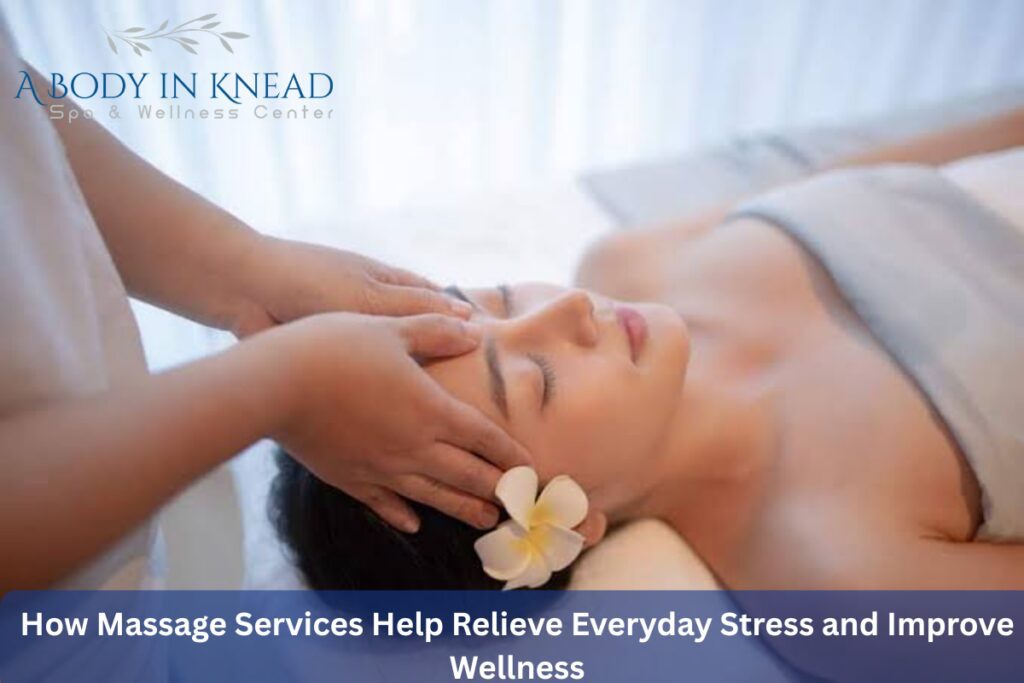
Modern life moves fast, and with busy schedules, work responsibilities, family commitments, and constant screen time, stress has become a part of everyday life for many people. While occasional stress is normal, ongoing stress can affect both your physical and mental well-being. It can lead to muscle tension, headaches, poor sleep, anxiety, fatigue, and even weaken your immune system over time. Fortunately, there are natural ways to manage stress, and one of the most effective methods is receiving regular massage services.
Professional massage therapy is much more than a luxury or an occasional treat—it is a proven wellness practice that helps relax the body, calm the mind, and promote overall health. Whether you’re dealing with workplace stress, recovering from physical activity, or simply looking for time to recharge, regular massage sessions can make a noticeable difference in how you feel every day. From improving circulation to reducing muscle stiffness and encouraging relaxation, massage offers benefits that support both your body and mind. In this guide, we’ll explore how massage services help relieve everyday stress and why making massage a regular part of your wellness routine is one of the best investments you can make in your health.
Understanding How Stress Affects Your Body
Stress is your body’s natural response to challenging situations. When faced with pressure, your brain releases hormones like cortisol and adrenaline to prepare you for action. While this response can be helpful in short-term situations, constant stress keeps your body in a heightened state of alertness.
Over time, chronic stress may contribute to a wide range of physical and emotional symptoms, including muscle tightness, neck and shoulder pain, headaches, digestive issues, anxiety, and difficulty sleeping. These symptoms can affect your work performance, relationships, and overall quality of life.
Fortunately, massage therapy helps interrupt this stress cycle by encouraging your body to relax. During a massage session, your heart rate slows, breathing becomes deeper, and your muscles begin to release stored tension. This natural response promotes healing and helps restore balance throughout the body.
Why Massage Therapy Is One of the Best Stress Management Tools
There are many ways to reduce stress, including exercise, meditation, and healthy eating. However, massage therapy offers unique benefits because it addresses both the physical and mental effects of stress at the same time.
Massage stimulates the nervous system in ways that encourage relaxation while reducing the production of stress hormones. At the same time, it promotes the release of endorphins and serotonin—natural chemicals that improve mood and create a greater sense of well-being.
Regular stress management through massage also helps improve sleep quality, increase mental clarity, and boost energy levels. Instead of simply masking symptoms, massage supports your body’s natural ability to recover from everyday stress.
Another advantage is that professional massage provides dedicated time to disconnect from daily distractions. Even a one-hour session can help you reset mentally, allowing you to return to your daily routine feeling calmer and more focused.
Massage Relieves Muscle Tension and Physical Discomfort
Stress often causes muscles to tighten without us even realizing it. Many people carry tension in the neck, shoulders, upper back, and lower back due to long hours at a desk, repetitive movements, or emotional stress.
One of the primary goals of therapeutic massage is muscle tension relief. Through carefully applied pressure and specialized techniques, massage therapists help loosen tight muscles, improve flexibility, and restore normal movement.
As circulation improves, oxygen and nutrients reach muscles more efficiently while waste products are removed more effectively. This process reduces soreness and encourages faster recovery from daily physical strain.
People who receive regular wellness massage often report:
- Less stiffness
- Reduced neck pain
- Improved posture
- Better flexibility
- Fewer tension headaches
- Increased mobility
When muscle tension decreases, your entire body feels lighter and more comfortable, making everyday activities easier and more enjoyable.
Choosing the Right Massage for Stress Relief
Not every massage technique is the same, and selecting the right one depends on your personal goals and physical condition. A licensed massage therapist can recommend the most appropriate treatment based on your needs.
For individuals looking to unwind and reduce everyday stress, a relaxation massage or Swedish massage is often the ideal choice. These techniques use smooth, flowing movements and gentle pressure to calm the nervous system, improve circulation, and promote full-body relaxation.
If you’re dealing with chronic muscle tightness or persistent pain, a deep tissue massage may provide greater relief. This technique targets deeper layers of muscle and connective tissue to release stubborn knots and improve mobility. Although it involves firmer pressure, many people find it highly effective for long-term massage for stress relief because it addresses both physical discomfort and the tension caused by ongoing stress.
No matter which technique you choose, receiving professional massage therapy from a qualified therapist ensures that your treatment is safe, personalized, and designed to help you achieve lasting results.
Better Sleep Starts with Regular Massage Therapy
Stress and poor sleep often go hand in hand. When your mind is constantly racing or your muscles remain tense, falling asleep—and staying asleep—can become difficult. Unfortunately, lack of quality sleep can increase stress levels, creating a cycle that is hard to break.
One of the greatest benefits of massage therapy is its ability to encourage deeper, more restful sleep. During a massage session, your body releases serotonin, a hormone that helps regulate mood and supports the production of melatonin, the hormone responsible for healthy sleep patterns. As stress hormones decrease, your body naturally shifts into a more relaxed state, making it easier to unwind at bedtime.
Many people notice improvements after just a few sessions, including:
- Falling asleep faster
- Sleeping more deeply
- Waking up feeling refreshed
- Reduced nighttime muscle discomfort
- Less tossing and turning
Adding regular massage services to your wellness routine can improve both your sleep quality and your overall health.
Massage Supports Mental and Emotional Well-Being
While massage is often associated with physical relaxation, it also has a powerful impact on emotional health. Everyday stress can leave you feeling overwhelmed, anxious, and mentally exhausted. Over time, these feelings can affect productivity, relationships, and overall happiness.
A professional massage creates a peaceful environment where your mind can slow down and focus on the present moment. This period of relaxation allows your nervous system to recover from the constant stimulation of work, technology, and daily responsibilities.
Many clients choose anxiety relief massage because it helps reduce nervous tension while promoting feelings of calm and emotional balance. Regular massage sessions may also improve concentration, reduce irritability, and increase your ability to manage life’s daily challenges with confidence.
Whether you’re balancing a demanding career or caring for your family, making time for self-care through massage for stress relief is an investment in your mental wellness.
Improved Circulation Helps Your Body Recover Naturally
Healthy circulation plays an important role in maintaining energy, healing tissues, and supporting overall wellness. Stress and prolonged muscle tension can restrict blood flow, leaving muscles feeling sore and fatigued.
Massage therapy encourages healthy circulation by stimulating blood flow throughout the body. As circulation improves, oxygen and nutrients reach muscles more efficiently while waste products such as lactic acid are removed more effectively.
Improved circulation offers several health benefits, including:
- Faster muscle recovery
- Reduced inflammation
- Improved flexibility
- Better joint mobility
- Healthier skin appearance
- Increased energy levels
Whether you receive a relaxation massage, deep tissue massage, or another form of therapeutic massage, improved circulation contributes to long-term physical health and recovery.
Why Choosing a Licensed Massage Therapist Matters
Not all massage experiences are the same. Working with a licensed massage therapist ensures that your treatment is both safe and effective. Licensed professionals complete specialized education and practical training, allowing them to understand anatomy, muscle function, and proper massage techniques.
An experienced therapist will take time to discuss your health history, understand your goals, and customize each session to your needs. Whether you’re looking for stress reduction, pain management, or improved mobility, personalized care delivers better results than a one-size-fits-all approach.
If you’ve ever searched for a massage therapist near me, look for a provider with strong customer reviews, professional certifications, and experience in the type of massage you’re seeking. Choosing the right therapist helps you get the greatest value from every session while building a long-term partnership focused on your wellness.
Making Massage Part of Your Wellness Routine
Many people think massage is something to enjoy only on special occasions. However, the greatest benefits come from making it a consistent part of your self-care routine.
Just as regular exercise supports physical fitness, routine wellness massage supports long-term physical and emotional health. Scheduling massage appointments every few weeks can help prevent stress from building up while keeping muscles relaxed and flexible.
To maximize the benefits of massage therapy:
- Stay hydrated before and after your session.
- Communicate openly with your therapist about discomfort or goals.
- Stretch regularly between appointments.
- Practice deep breathing exercises.
- Maintain good posture throughout the day.
- Combine massage with healthy eating and regular physical activity.
These simple habits work together to improve your overall quality of life and help you manage stress more effectively.
Frequently Asked Questions
1. How does massage therapy help reduce stress?
Massage therapy lowers stress hormones while increasing serotonin and endorphin levels. It also relaxes tense muscles, improves circulation, and calms the nervous system, helping you feel more relaxed both physically and mentally.
2. How often should I schedule massage services?
Many people benefit from a massage every two to four weeks. If you’re experiencing chronic stress, muscle pain, or recovering from an injury, your therapist may recommend more frequent sessions.
3. Which massage is best for stress relief?
A Swedish massage or relaxation massage is often the best choice for reducing everyday stress. If you also have chronic muscle tension, a deep tissue massage may provide additional relief.
4. Can massage therapy help with anxiety?
Yes. Many people choose massage for stress relief or anxiety relief massage because massage encourages relaxation, reduces muscle tension, and promotes a greater sense of emotional well-being.
5. Is massage therapy only for people with pain?
No. While massage is excellent for pain management, it’s also an effective way to reduce stress, improve sleep, increase flexibility, support circulation, and maintain overall wellness.
6. What should I expect during my first massage?
Your therapist will discuss your health history, ask about your goals, explain the treatment process, and adjust pressure levels based on your comfort. Communication is encouraged throughout the session.
7. How long does it take to feel the benefits of massage?
Many people feel more relaxed immediately after their first session. Long-term benefits become even more noticeable with regular massage therapy.
8. How do I choose the right massage therapist?
Look for a licensed professional with positive reviews, relevant experience, and a commitment to personalized care. Searching for a trusted massage therapist near me is a great place to start.
Final Thoughts
Stress is an unavoidable part of modern life, but how you manage it can make a significant difference in your overall health and happiness. Professional massage services provide a natural, effective way to reduce everyday stress while improving both physical and emotional well-being. From easing muscle tension and promoting better sleep to enhancing circulation and supporting mental clarity, massage therapy offers benefits that extend far beyond simple relaxation.
Whether you’re interested in a gentle relaxation massage, a therapeutic deep tissue massage, or ongoing professional massage therapy, investing in regular care can help you feel healthier, calmer, and more energized. Working with a licensed massage therapist
How Wellness Massage Supports Your Overall Health:
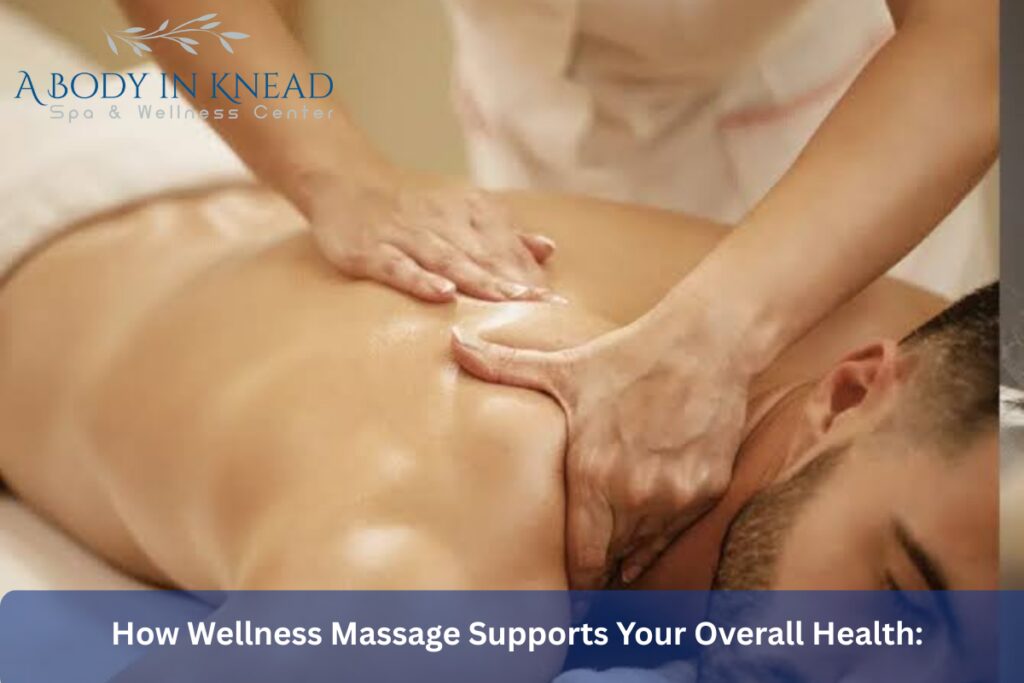
Modern life places constant demands on both the body and mind. Whether you’re managing a busy career, caring for your family, exercising regularly, or spending long hours at a desk, daily stress and physical strain can gradually affect your health. Tight muscles, poor posture, fatigue, headaches, and ongoing discomfort often develop slowly, making them easy to ignore until they begin interfering with your quality of life. Fortunately, taking care of your body doesn’t always require complicated treatments or medications. A regular wellness massage offers a natural way to support your overall health while helping you feel your best.
At A Body in Knead, we believe massage is an important part of preventive wellness rather than an occasional luxury. Professional massage therapy helps reduce stress, improve circulation, ease muscle tension, and encourage your body’s natural healing processes. Whether your goal is relaxation, improved mobility, or managing everyday aches, wellness massage can become an essential part of a healthier lifestyle. This guide explores how massage benefits your physical, mental, and emotional well-being while helping you maintain long-term health.
Understanding Wellness Massage
A wellness massage focuses on maintaining overall health instead of treating only a specific injury or medical condition. It combines gentle to moderate techniques that promote relaxation, improve circulation, and help your body recover from everyday stress and physical activity.
Unlike treatments that are only scheduled when pain becomes severe, wellness massage is often part of an ongoing self-care routine. Regular sessions help your body function more efficiently while supporting long-term physical and emotional wellness.
Although everyone experiences different benefits, many people notice improved flexibility, reduced stress, better sleep, and increased energy after consistent massage therapy.
How Massage Therapy Supports Whole-Body Health
Professional massage therapy works by stimulating soft tissues, improving blood flow, and encouraging relaxation throughout the body. Better circulation allows oxygen and nutrients to reach muscles more efficiently while helping remove metabolic waste that contributes to soreness.
Massage also activates the parasympathetic nervous system, sometimes called the body’s “rest and recover” response. As stress hormones decrease, your heart rate slows, breathing becomes deeper, and muscles naturally begin to relax.
This combination of physical and mental relaxation contributes to improved overall health while supporting your body’s natural healing abilities.
Relieving Everyday Stress Naturally
Stress affects far more than your mood. It can contribute to headaches, muscle tightness, fatigue, digestive issues, poor sleep, and even reduced immune function.
A regular stress relief massage provides an opportunity for both your body and mind to reset. During a session, gentle massage techniques encourage relaxation while helping reduce cortisol, the body’s primary stress hormone.
At the same time, massage promotes the release of serotonin and dopamine, chemicals associated with improved mood and emotional well-being.
As a result, many clients leave feeling calmer, more focused, and better prepared to manage daily challenges.
Therapeutic Massage for Better Movement
Although wellness massage promotes relaxation, many sessions also include elements of therapeutic massage designed to improve movement and physical function.
Therapeutic techniques target tight muscles, restricted soft tissues, and areas of discomfort that may limit your mobility. Whether your stiffness comes from sitting at a computer, repetitive work, or exercise, massage helps restore healthy movement patterns.
Improved flexibility allows joints to move more freely while reducing strain on surrounding muscles.
Many people also experience improved posture as muscle imbalances gradually decrease through regular treatment.
Muscle Tension Relief for Everyday Comfort
One of the most noticeable benefits of massage is muscle tension relief.
Muscles naturally tighten in response to stress, poor posture, repetitive movement, or physical activity. Left untreated, chronic muscle tightness may contribute to headaches, neck pain, shoulder discomfort, lower back pain, and limited flexibility.
Massage gently releases these tight muscles while increasing circulation and reducing stiffness.
Regular sessions help maintain healthier muscle function, making everyday activities feel easier and more comfortable.
Supporting Chronic Pain Relief
Many individuals seek massage because they are looking for chronic pain relief without relying solely on medication.
Massage may help reduce discomfort associated with:
- Chronic neck pain
- Lower back pain
- Shoulder pain
- Muscle stiffness
- Arthritis-related tension
- Repetitive strain injuries
While massage may not cure every condition, it often works alongside medical care to improve mobility, reduce pain, and support better quality of life.
Personalized treatment plans ensure each session focuses on your unique needs and wellness goals.
A Holistic Approach to Better Health
True wellness involves much more than treating isolated symptoms. That’s why many people choose holistic massage as part of their overall healthcare routine.
Rather than focusing on one painful area, holistic massage considers how physical health, emotional well-being, stress, sleep, and lifestyle all influence one another.
This whole-body perspective encourages lasting improvements in both physical comfort and mental wellness.
When combined with regular exercise, balanced nutrition, proper hydration, and quality sleep, massage becomes an important part of maintaining lifelong health.
Pain Relief Massage Beyond Injury Recovery
Many people assume pain relief massage is only necessary after an injury, but that’s not the case.
Massage can also help reduce discomfort caused by:
- Long workdays
- Poor posture
- Heavy lifting
- Exercise
- Travel
- Everyday stress
By improving circulation and reducing muscle tightness, massage helps your body recover more efficiently from the demands of daily life.
Scheduling regular sessions often prevents minor discomfort from becoming long-term pain.
Why Choosing a Licensed Massage Therapist Matters
Working with a qualified licensed massage therapist ensures your treatment is both safe and effective.
Licensed professionals receive specialized education in anatomy, physiology, soft tissue techniques, and proper treatment methods. They understand how to adapt each session based on your medical history, physical condition, and wellness goals.
An experienced therapist also communicates throughout your appointment, adjusting pressure and techniques to maximize both comfort and results.
Building an ongoing relationship with the same therapist allows treatments to evolve as your body’s needs change over time.
Making Wellness Massage Part of Your Lifestyle
One massage can certainly help you feel better, but long-term benefits often come from consistency.
Many people schedule a relaxation massage or wellness session every two to four weeks as part of their preventive healthcare routine.
Regular appointments help:
- Reduce accumulated stress
- Improve circulation
- Support flexibility
- Promote better sleep
- Maintain healthy muscles
- Encourage emotional balance
Like healthy eating or regular exercise, massage works best when incorporated into your overall lifestyle.
Frequently Asked Questions
What is a wellness massage?
A wellness massage focuses on improving overall physical and mental well-being through relaxation, circulation, and muscle care rather than treating only injuries.
How is wellness massage different from therapeutic massage?
While therapeutic massage often targets specific areas of pain or dysfunction, wellness massage emphasizes ongoing maintenance, stress reduction, and preventive care.
How often should I get a wellness massage?
Many people benefit from sessions every two to four weeks, although frequency depends on your lifestyle, stress levels, and personal wellness goals.
Can massage help with chronic pain?
Yes. Massage is commonly used to support chronic pain relief by improving circulation, relaxing muscles, and increasing flexibility.
Does massage help reduce stress?
Absolutely. A stress relief massage encourages relaxation while lowering stress hormones and promoting emotional well-being.
Is massage therapy safe?
For most healthy individuals, professional massage therapy is very safe. Your therapist will review your health history before beginning treatment.
Why should I choose a licensed massage therapist?
A licensed massage therapist has professional training that helps ensure treatments are customized, effective, and performed safely.
Final Thoughts
Taking care of your health isn’t just about responding to pain—it’s about creating healthy habits that help your body and mind perform at their best every day. A regular wellness massage offers far more than temporary relaxation. Through professional massage therapy, therapeutic massage, stress relief massage, and pain relief massage, you can reduce stress, improve mobility, encourage muscle tension relief, and support long-term chronic pain relief naturally. By embracing a holistic massage approach, you’re investing in your overall well-being and building a stronger foundation for a healthier, more balanced life.
At A Body in Knead, our experienced licensed massage therapists are dedicated to providing personalized care that supports your unique wellness goals. Whether you’re looking to ease daily stress, improve physical function, or make relaxation massage a regular part of your self-care routine, we’re here to help you feel refreshed, restored, and ready to enjoy life with greater comfort and confidence
What Is Massage Therapy and How Can It Help You?

Life can take a toll on your body in more ways than one. Whether you spend long hours at a desk, work in a physically demanding job, exercise regularly, or simply deal with the everyday stresses of life, muscle tension and discomfort can build up over time. Many people ignore these aches until they begin to affect sleep, mobility, or daily activities. Fortunately, there is a natural, effective way to promote healing, reduce stress, and improve your overall well-being—massage therapy.
At A Body in Knead, we believe massage is more than a luxury—it’s an essential part of maintaining a healthy lifestyle. Professional massage therapy combines skilled hands-on techniques with personalized care to relieve discomfort, restore movement, and encourage relaxation. Whether you’re looking for pain relief massage, better flexibility, or simply a chance to recharge, massage therapy can help you feel and function your best. In this guide, we’ll explain what massage therapy is, how it works, who can benefit, and why it’s become an important part of modern wellness.
Understanding Massage Therapy
Massage therapy is a healthcare practice that involves manipulating muscles, connective tissues, tendons, and ligaments to improve physical function and overall well-being. It combines various techniques that help reduce muscle tightness, improve circulation, and encourage the body’s natural healing processes.
Unlike a simple relaxation massage, professional massage therapy is often customized to address specific concerns such as chronic pain, injury recovery, limited mobility, or stress-related tension. Every session is tailored to your individual needs, ensuring the treatment supports both short-term relief and long-term wellness.
Massage therapy can benefit people of all ages, whether they’re athletes, office workers, seniors, or individuals recovering from injuries.
How Massage Therapy Helps Your Body
One of the greatest benefits of massage therapy is its ability to improve how your body functions while helping you feel more comfortable.
Massage increases blood circulation, allowing oxygen and nutrients to reach muscles more efficiently. Improved circulation supports healing, reduces inflammation, and helps remove waste products that contribute to soreness and stiffness.
Massage also stimulates the nervous system, helping your body shift into a more relaxed state. As stress hormones decrease, many people experience better sleep, improved mood, and increased energy levels.
Regular sessions often contribute to healthier movement patterns, better posture, and improved flexibility over time.
The Different Types of Therapeutic Massage
There isn’t a one-size-fits-all approach to massage. A skilled licensed massage therapist selects techniques based on your goals, health history, and physical condition.
Some of the most common massage styles include:
- Therapeutic massage for targeted pain and recovery
- Deep tissue massage for chronic muscle tightness
- Swedish massage for relaxation
- Sports massage for active individuals
- Prenatal massage
- Trigger point therapy
- Myofascial release
Each technique offers unique benefits, and many treatment plans combine multiple methods to provide the most effective care.
Deep Tissue Massage for Lasting Relief
Among the most requested treatments is deep tissue massage, which focuses on deeper layers of muscles and connective tissue.
This technique is especially beneficial for individuals dealing with long-term muscle tightness, repetitive strain injuries, poor posture, or lingering discomfort from physical activity.
While deep tissue massage may feel more intense than relaxation massage, it is designed to improve mobility and reduce restrictions within the muscles. Many clients report feeling looser, more flexible, and significantly more comfortable after treatment.
Consistent sessions can help improve posture, reduce stiffness, and support better physical performance.
Pain Relief Massage for Everyday Aches
Whether your discomfort comes from work, exercise, or daily life, pain relief massage can play an important role in managing symptoms naturally.
Massage helps reduce muscle tension, improve circulation, and encourage relaxation without relying solely on medication.
People commonly seek massage therapy for:
- Neck pain
- Shoulder pain
- Lower back pain
- Hip discomfort
- Muscle soreness
- Joint stiffness
- Tension headaches
Although massage may not replace medical treatment when necessary, it often complements other healthcare approaches and supports overall recovery.
Massage Therapy for Stress and Mental Wellness
Physical tension and emotional stress often go hand in hand. That’s why stress relief massage is one of the most valuable wellness tools available today.
Massage encourages the body to activate its relaxation response, reducing stress hormones while increasing the production of feel-good chemicals like serotonin and dopamine.
As stress levels decrease, many people notice improvements in:
- Sleep quality
- Mental clarity
- Mood
- Energy
- Concentration
- Emotional well-being
Taking time for self-care isn’t selfish—it’s an investment in your long-term health.
Relieving Muscle Tension Naturally
One of the primary reasons people schedule massage appointments is muscle tension relief.
Muscle tightness can develop from prolonged sitting, repetitive movements, exercise, poor posture, or emotional stress. Left untreated, tension may lead to headaches, restricted movement, and chronic discomfort.
Massage helps loosen tight muscles, improve circulation, and restore healthy movement patterns.
Regular treatments may also reduce the likelihood of future injuries by keeping muscles flexible and balanced.
Massage Therapy for Chronic Pain Relief
Living with ongoing discomfort can affect every aspect of your life. Fortunately, many individuals find that massage supports chronic pain relief when incorporated into a comprehensive wellness plan.
Conditions that may benefit include:
- Chronic neck pain
- Lower back pain
- Fibromyalgia
- Arthritis-related discomfort
- Muscle stiffness
- Repetitive strain injuries
Massage therapy helps improve circulation, reduce inflammation, relax surrounding muscles, and improve mobility.
Although every individual responds differently, consistent treatment often leads to noticeable improvements in daily comfort and function.
Wellness Massage for Preventive Care
Massage isn’t only for treating existing pain—it also supports preventive healthcare.
A regular wellness massage helps maintain healthy muscles, improve circulation, reduce stress, and encourage overall balance throughout the body.
Many clients schedule monthly or biweekly sessions to stay ahead of tension before it becomes painful.
Preventive care allows your body to recover more effectively from work, exercise, and everyday stress while supporting long-term wellness.
A Holistic Approach to Better Health
Modern healthcare increasingly recognizes the value of complementary therapies, including holistic massage.
Rather than focusing solely on one painful area, holistic massage considers the connection between physical health, emotional well-being, and lifestyle habits.
This whole-body approach encourages relaxation while supporting better posture, improved movement, healthier sleep, and reduced stress.
Combined with proper nutrition, regular exercise, hydration, and quality sleep, massage therapy becomes an important part of a balanced wellness routine.
Choosing the Right Licensed Massage Therapist
Selecting the right licensed massage therapist ensures both safety and effective results.
Look for a therapist who:
- Holds proper licensing or certification
- Has experience treating your concerns
- Conducts a thorough health assessment
- Creates personalized treatment plans
- Communicates clearly throughout your session
- Encourages ongoing wellness education
Building a relationship with an experienced therapist allows treatments to evolve as your needs change over time.
Frequently Asked Questions
What is massage therapy?
Massage therapy is the professional manipulation of muscles and soft tissues to improve circulation, reduce pain, relieve stress, and support overall health.
How is therapeutic massage different from a relaxation massage?
Therapeutic massage focuses on addressing specific physical concerns such as pain, muscle tightness, injury recovery, or limited mobility, while relaxation massage primarily promotes general relaxation.
Is deep tissue massage painful?
Deep tissue massage may involve firm pressure, but it should never feel unbearable. Your therapist will adjust the pressure to match your comfort level.
Can massage therapy help with chronic pain?
Yes. Many individuals use massage therapy as part of a comprehensive plan for chronic pain relief, especially for neck pain, back pain, and muscle stiffness.
How often should I get a massage?
Frequency depends on your goals. Some people benefit from weekly sessions, while others schedule a wellness massage every month for maintenance.
Is massage therapy safe?
For most healthy individuals, massage therapy is very safe. However, certain medical conditions may require modifications, so always discuss your health history with your therapist.
Who can benefit from massage therapy?
Almost anyone can benefit, including office workers, athletes, seniors, busy parents, and individuals experiencing muscle tension, stress, or chronic discomfort.
Final Thoughts
Massage therapy is much more than a way to relax—it’s a powerful tool for improving physical health, reducing stress, and enhancing overall quality of life. Whether you’re seeking pain relief massage, recovering from muscle strain, managing stress, or simply investing in your long-term wellness, professional massage offers personalized solutions that support both body and mind. From deep tissue massage and therapeutic massage to ongoing wellness massage and holistic massage, each session is an opportunity to restore balance, improve mobility, and promote natural healing.
At A Body in Knead, our experienced licensed massage therapists are dedicated to helping you achieve lasting results through customized care tailored to your unique needs. Whether your goal is muscle tension relief, chronic pain relief, or simply feeling your best every day, we’re here to support your wellness journey with compassionate, professional massage therapy that helps you move, feel, and live better
Massage for Stress & Anxiety: What Science Says + What We See in Bangor

How massage therapy helps busy professionals, parents, first responders, and downtown office workers feel better
In today’s fast-paced world, stress and anxiety have become everyday companions for many of us in Bangor and Central Maine. Whether you’re juggling deadlines in a State Street office, managing family life after a long day, or working shift work as a first responder, chronic stress takes a real toll on both body and mind.
At A Body in Knead, we’ve seen firsthand how regular massage therapy provides powerful relief. Here’s what the research shows — and what our clients experience every week.
The Science Behind Massage for Stress & Anxiety
Multiple peer-reviewed studies confirm that massage therapy does more than just feel good — it creates measurable changes in your body:
- Lowers cortisol (the primary stress hormone)
- Increases serotonin and dopamine (your natural mood boosters)
- Reduces symptoms of anxiety by as much as 50% in some clinical trials
- Improves sleep quality, which is often disrupted by stress
- Lowers blood pressure and heart rate
A 2023 review in the Journal of Clinical Psychiatry found that massage therapy is particularly effective for people with generalized anxiety disorder and work-related burnout.
What We See in Downtown Bangor
Living and working in Bangor brings its own unique stressors. Many of our clients come in with the same complaints:
For Office Workers & Remote Professionals near State Street:
- Tight shoulders and “tech neck” from hours at a desk or laptop
- Lower back pain from poor ergonomics at home or in older Bangor office buildings
- Tension headaches that start in the afternoon and last into the evening
- Posture issues that develop from leaning forward toward screens all day
We regularly treat professionals who work in banks, law offices, government buildings, and remote setups along the Kenduskeag. After just one session, most notice immediate relief in their neck and shoulders, with better posture and reduced pain within a few visits.
For Busy Parents:
- Constant mental load and physical exhaustion
- “Mom/dad shoulders” from carrying kids, car seats, and groceries
- Difficulty switching off at night
Parents often tell us that their 60- or 90-minute appointment is the only time all week their mind truly gets to rest.
For First Responders & Healthcare Workers:
- High-stress environments and irregular schedules
- Physical strain from lifting, driving, and wearing heavy gear
- Emotional fatigue from difficult calls and long shifts
Many local firefighters, police officers, nurses, and EMTs use massage as a key part of their recovery routine. It helps them reset their nervous system between demanding shifts.
How Massage Therapy Helps with Posture Issues
One of the most common issues we treat in downtown Bangor is forward head posture and rounded shoulders — often called “desk posture.” During a session, our therapists:
- Release tight chest and neck muscles
- Lengthen the upper back
- Re-educate the body into better alignment
- Provide simple at-home stretches you can do between clients or meetings
Many clients report standing taller and breathing easier after consistent care.Recommended Massage Styles for Stress & Anxiety
- Swedish Massage — Gentle, flowing strokes that promote deep relaxation
- Deep Tissue / Trigger Point Therapy — Targets muscle knots caused by stress and poor posture
- Hot Stone Massage — Especially soothing for anxiety and tight muscles
- Lymphatic Drainage — Helps reduce inflammation and calm the nervous system
- Chair Massage — Perfect for quick 30-minute sessions during lunch breaks
Ready to Feel the Difference?
If you live or work in Bangor, Brewer, Orono, Old Town, or surrounding towns and feel the weight of stress, anxiety, or desk-related tension, massage therapy can be a game-changer.
Don’t wait until you’re completely burned out.
A Body in Knead
263 State Street, Bangor, ME (207) 989-7473
abodyinknead.com
Book online or call today — your calmer, more relaxed self will thank you.
Why Your Massage Should Include a 360° Adjustable Face Cradle
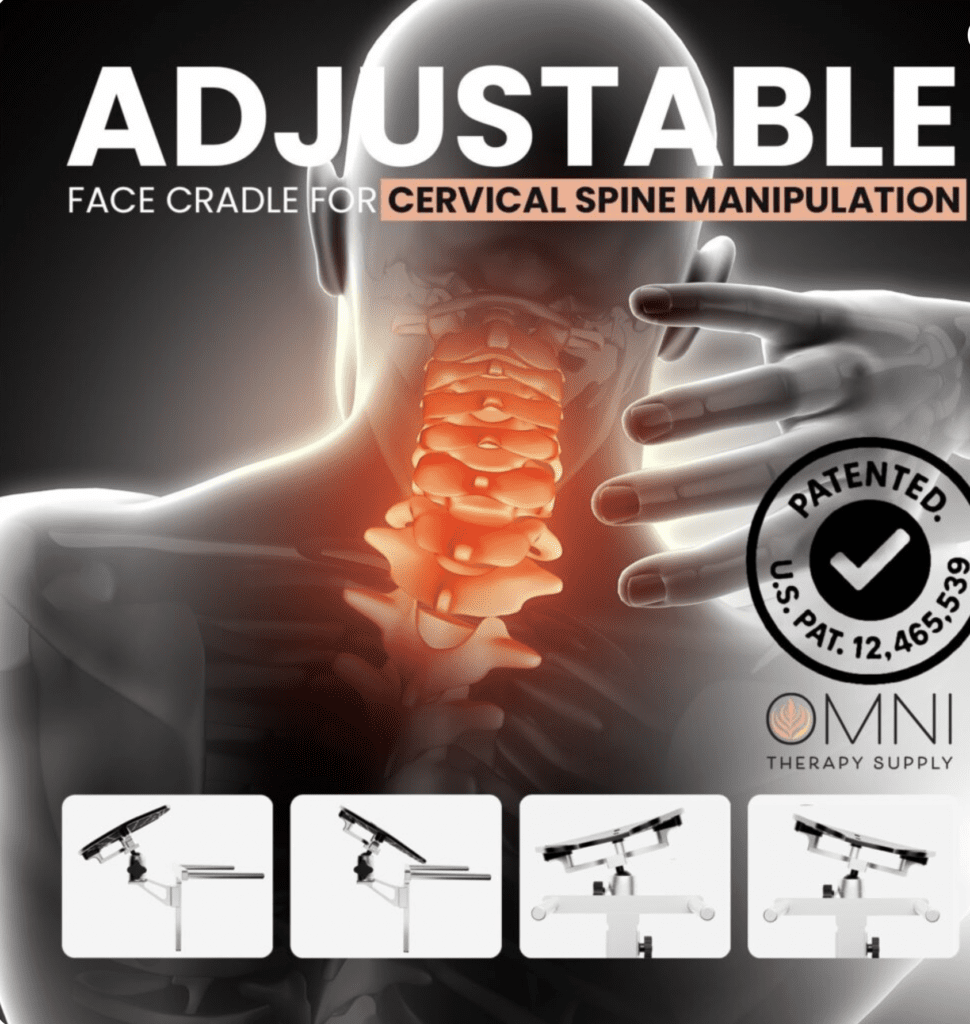
When it comes to a truly relaxing massage, every detail matters—especially how your head and neck are supported. That’s why at A Body in Knead, we use a 360° Adjustable Face Cradle to make your experience as comfortable and effective as possible.
What Makes a 360° Face Cradle Different?
Unlike standard face cradles, a 360° adjustable design allows your therapist to:
- Tilt and rotate your head perfectly to reduce neck strain
- Relieve pressure on the eyes, nose, and jaw
- Customize support for every client, no matter your size or face shape
This means you can fully relax during your massage without holding tension in your face or neck.
The Benefits for You
- Enhanced Comfort
Even a slight misalignment in a standard cradle can create discomfort over a long massage. The 360 cradle adjusts in every direction so your head rests naturally and comfortably. - Better Breathing & Relaxation
By reducing pressure on your face, you can breathe easier and sink deeper into relaxation. - Improved Massage Effectiveness
When your head and neck are perfectly supported, your therapist can focus more on your muscles and tension points—so you get maximum benefit from every technique. - Gentle on Sensitive Areas
If you have TMJ, sinus sensitivity, or headaches, the 360° cradle minimizes strain and pressure, making your massage safer and more soothing.
Why It Matters for Every Massage
Even a short adjustment can make a huge difference in how you feel during and after a session. Whether you’re booking a therapeutic massage or deep tissue, the 360 face cradle ensures that your comfort comes first—so your body can fully relax and your therapist can do their best work.
Book Your Massage With a 360 Face Cradle
Ready to experience the difference? Book your next massage at A Body in Knead and enjoy the ultimate in comfort, support, and relaxation.
Your comfort is not an extra—it’s built into every session.
Understanding Complex Regional Pain Syndrome (CRPS)

At A Body in Knead, we believe that understanding your body is an important part of your wellness journey. Many people living with chronic pain feel unheard or confused by their symptoms, especially when the pain doesn’t follow the “normal” healing process. One condition that often falls into this category is Complex Regional Pain Syndrome (CRPS). By sharing clear, approachable information, we hope to help our Bangor community better understand this condition and feel empowered to seek appropriate care and support.
Complex Regional Pain Syndrome (CRPS) is a chronic pain condition that typically develops after an injury, surgery, stroke, or even a minor sprain. What makes CRPS different from typical pain is that the intensity and duration of symptoms are far greater than expected for the original injury.
CRPS most commonly affects an arm, hand, leg, or foot and can significantly impact daily life if not treated early.
What Is CRPS?
CRPS occurs when the nervous system becomes overactive and continues sending pain signals long after the body should have healed. Instead of returning to normal, the body remains in a heightened “pain response” state.
There are two types:
- CRPS Type 1: Occurs without confirmed nerve damage (more common).
- CRPS Type 2: Occurs after a known nerve injury.
While the exact cause isn’t fully understood, CRPS involves abnormal inflammation and dysfunction in both the peripheral and central nervous systems.
Common Symptoms of CRPS
Symptoms can vary from person to person but often include:
- Burning, throbbing, or stabbing pain
- Extreme sensitivity to touch (even light clothing may feel painful)
- Swelling in the affected area
- Changes in skin temperature (hot or cold compared to the opposite limb)
- Skin color changes (red, purple, pale, or blotchy)
- Shiny or thin skin texture
- Joint stiffness and reduced range of motion
- Changes in hair and nail growth
Pain is usually disproportionate to the original injury and may worsen with stress or movement.
Why Early Treatment Matters
Early diagnosis and treatment significantly improve outcomes. CRPS can become more difficult to manage over time if left untreated.
Treatment plans often include:
- Physical therapy: Gentle, guided movement is critical to prevent stiffness and loss of function.
- Medications: Nerve pain medications may help calm overactive pain signals.
- Desensitization therapy: Gradual exposure techniques help reduce hypersensitivity.
- Nerve blocks or pain management procedures: In some cases, specialists may recommend additional interventions.
A team approach—often including a primary care provider, pain specialist, and physical therapist—is common.
Can Massage Help CRPS?
Massage therapy for individuals with CRPS must be approached carefully and thoughtfully. Because the nervous system is already in a heightened state, deep or aggressive techniques are not appropriate.
When approved by a healthcare provider, gentle, consent-based, and highly individualized work may support:
- Relaxation
- Stress reduction
- Circulation
- Nervous system calming
Every case is unique, and communication is essential. If you or someone you know has CRPS, always consult with a medical professional before beginning bodywork.
When to Seek Medical Attention
If you are experiencing ongoing pain that feels severe, disproportionate to an injury, or accompanied by unusual skin or temperature changes, it’s important to speak with a healthcare provider. Early intervention can make a significant difference in long-term outcomes.
Living with CRPS can be overwhelming, but you don’t have to navigate chronic pain alone. At A Body in Knead in Bangor, Maine, our focus is on providing a calm, supportive environment and thoughtful, client-centered care. While CRPS requires medical guidance, gentle, informed bodywork—when appropriate—may be one part of a broader wellness plan.
If you have questions about massage therapy, nervous system–supportive services, or whether a service may be appropriate for your situation, we encourage open conversation and collaboration with your healthcare provider. Our goal is always to support comfort, safety, and overall well-being—meeting you exactly where you are.
Couples Massage in Bangor, Maine: A Shared Wellness Experience

Couples massage at A Body in Knead is a popular wellness experience in Bangor, Maine, for those seeking relaxation in a calm, professional setting. Designed for partners, friends, and coworkers, this side-by-side service allows each guest to enjoy personalized bodywork while sharing time together.
Sessions may include therapeutic or deep tissue techniques, with the option to enhance the experience using hot stone add-ons. Heated stones help warm muscles, support circulation, and encourage deeper relaxation, making them a favored upgrade for shared appointments. These customizable options make couples massage ideal for date nights, celebrations, group outings, or stress relief.
This shared wellness service offers a meaningful way to release tension, support recovery, and step away from daily demands. In the Bangor area, couples massage at A Body in Knead continues to be a sought-after option for connection, comfort, and restoration.
Massage Therapy for Mental Health
Massage Therapy & Mental Health: More Than Relaxation
Mental health challenges like anxiety, depression, chronic stress, and trauma affect more people than ever. While massage therapy isn’t a replacement for mental health care, it can be a powerful supportive tool for both emotional and physical well-being.
How Massage Helps the Nervous System
Massage works directly with the nervous system, helping shift the body from “fight or flight” into a calmer, more regulated state. This can reduce feelings of overwhelm, restlessness, and tension that often accompany anxiety and chronic stress. Many clients report feeling more grounded, present, and able to breathe deeply after a session.
Massage & Depression
Depression can show up not only emotionally, but physically—fatigue, heaviness, muscle pain, and sleep disruption are common. Massage therapy encourages relaxation, circulation, and body awareness, which may help clients reconnect with their bodies during times when motivation or energy feels low. The experience of safe, caring touch can also support feelings of comfort and connection.
Trauma-Informed Benefits
For individuals with a history of trauma, massage—when provided in a trauma-informed, consent-based way—can help restore a sense of control and safety in the body. Clear communication, choice, and respect are key. Over time, massage may help reduce muscle guarding and physical stress patterns that the body holds onto long after traumatic events.
Supporting Sleep, Mood, and Stress
Regular massage has been shown to help:
- Reduce physical tension linked to stress
- Support better sleep quality
- Improve overall mood and relaxation
- Increase body awareness and mindfulness
These effects can make day-to-day life feel more manageable, especially during periods of high stress or emotional strain.
A Complement, Not a Cure
Massage therapy works best as part of a well-rounded wellness routine, alongside mental health support, self-care, and medical care when needed. Every body is different, and sessions can be tailored to individual comfort levels and needs.
If you’re feeling overwhelmed, anxious, or emotionally exhausted, massage may offer a quiet space to reset, breathe, and reconnect—one session at a time.
If you are looking for information about the benefits of massage for mental health, the AMTA, American Massage Therapy Association, has written articles and published them on their website, http://amtamassage.org.
If massage feels like a supportive next step, we invite you to schedule a session at your own pace.