
Posts Tagged ‘bangor massage’
What is TMJ?

How Massage Therapy Helps Relieve TMJ Pain in Bangor, Maine
If you’re searching for massage Bangor ME, massage therapy Bangor Maine, or relief from jaw pain, headaches, or neck tension, you’re not alone. Many people in the Bangor area deal with TMJ disorder (temporomandibular joint dysfunction) and find real comfort through professional therapeutic massage.
At A Body in Knead, located at 263 State Street in Bangor, our licensed massage therapists specialize in customized bodywork that targets the muscles connected to the jaw, neck, and shoulders—key areas that contribute to TMJ discomfort.What Is TMJ?
TMJ refers to the temporomandibular joint, the hinge that connects your lower jaw to your skull just in front of each ear. When the joint or the surrounding muscles become strained, inflamed, or imbalanced, it leads to TMJ disorder (also called TMD).Common causes include:
- Teeth clenching or grinding (bruxism), often linked to stress
- Poor posture (especially from desk work or looking down at phones)
- Injury, arthritis, or muscle imbalances
- Everyday tension held in the face, neck, and upper back
Common TMJ Symptoms
People in Bangor seeking deep tissue massage Bangor or therapeutic massage Bangor Maine often report:
- Jaw pain, stiffness, or tenderness
- Clicking, popping, or locking of the jaw
- Frequent headaches or migraines (especially around the temples)
- Earaches or a feeling of fullness in the ears
- Neck and shoulder tightness
- Facial pain that worsens with chewing or stress
How Massage Therapy Helps TMJ in Bangor
Massage doesn’t replace care from a dentist or physician for structural TMJ issues, but it is an excellent complementary approach for muscle-related symptoms. Skilled massage therapy Bangor Maine can:
- Release tight jaw muscles (masseter, temporalis, and related facial muscles)
- Ease referred tension in the neck, shoulders, and upper back
- Improve circulation and reduce trigger points
- Promote relaxation to lower stress-related clenching
- Support better range of motion and overall comfort
Our therapists at A Body in Knead offer modalities especially helpful for TMJ concerns, including:
- Therapeutic massage – smooth, flowing techniques with light-to-moderate pressure for stress relief and circulation
- Deep tissue massage – slower, focused work that addresses deeper knots and chronic tension
- Myofascial release and trigger point therapy – targeted techniques for fascia and pain-referral patterns
- Hot stone massage – heat that helps muscles release more fully (available as a full session or add-on)
- Neuromuscular therapy and lymphatic drainage options when appropriate
- Prenatal, sports, and couples sessions for broader wellness needs
Sessions are fully customized. Simply share your jaw, head, or neck concerns during your intake so your therapist can adjust pressure and focus areas safely and effectively.
Why Choose A Body in Knead for Massage in Bangor, Maine?
Conveniently located at 263 State Street (entrance in the back—turn down Merrimac for parking), A Body in Knead is one of Bangor’s trusted massage and wellness centers. Our licensed therapists provide personalized care in a calm, professional environment. We also offer facials, waxing, head spa treatments, and spa packages if you want to combine services.
Whether you’re a local looking for ongoing massage near me Bangor, a visitor recovering from travel or outdoor adventures in Vacationland, or someone seeking natural support for everyday tension, we’re here to help your body find what it’s kneading.Ready for Relief?
Don’t let jaw pain, headaches, or muscle tightness limit your comfort. Book your massage therapy Bangor Maine session today.
A Body in Knead
263 State Street, Bangor, ME 04401
Call/Text: (207) 989-7473 or (207) 951-6308
Online booking available at abodyinknead.com
Experience the difference of professional, tailored massage in Bangor—where tranquility meets true restoration.
How Muscle Pain Treatment Helps You Recover Faster and Feel Better
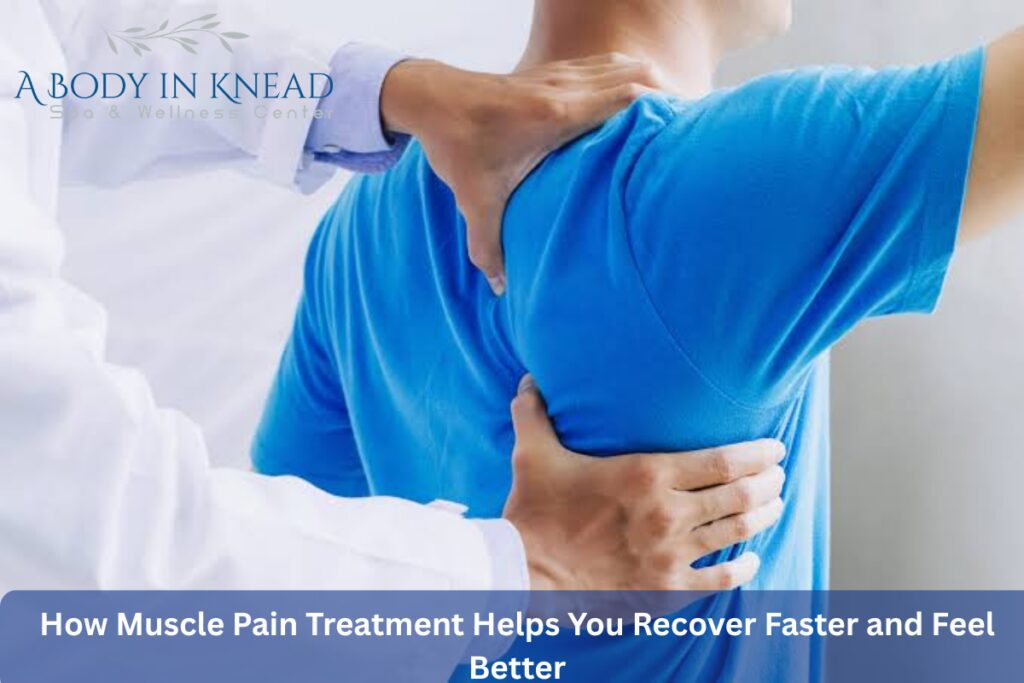
Muscle pain can affect anyone, whether you’re an athlete pushing your limits, an office worker sitting at a desk all day, or someone recovering from a physically demanding task. While occasional soreness is a normal part of life, ongoing muscle discomfort can make everyday activities more difficult, reduce mobility, and prevent you from enjoying the things you love. Ignoring muscle pain often allows minor problems to develop into chronic conditions that require more time and effort to resolve. That’s why seeking the right muscle pain treatment early is one of the best ways to support a faster and healthier recovery.
At A Body in Knead, we believe recovery involves more than simply reducing discomfort. Our goal is to help restore movement, improve flexibility, and encourage your body’s natural healing process through personalized care. Professional massage therapy and targeted soft tissue techniques can relieve muscle tightness, improve circulation, and promote long-term wellness without relying solely on medication. In this guide, you’ll learn how muscle pain develops, why treatment matters, and how the right approach can help you recover faster and return to your daily routine with confidence.
Understanding Muscle Pain
Muscle pain, also known as myalgia, occurs when muscles become strained, overworked, inflamed, or injured. It may result from exercise, repetitive movements, poor posture, stress, lifting heavy objects, or simply remaining in one position for long periods.
Some muscle soreness disappears within a day or two, while other types of pain may persist for weeks without proper care. Chronic tightness can reduce flexibility, limit range of motion, and increase your risk of additional injuries.
Recognizing the cause of your discomfort is the first step toward selecting the most effective treatment plan.
Why Early Muscle Pain Treatment Matters
Delaying muscle pain treatment often allows inflammation and muscle tightness to worsen. What begins as mild soreness may eventually affect your posture, movement, and overall quality of life.
Early treatment helps reduce discomfort before muscles become increasingly restricted. Addressing pain promptly also prevents your body from developing unhealthy movement patterns that place extra stress on surrounding muscles and joints.
Receiving care early often leads to:
- Faster healing
- Better mobility
- Reduced inflammation
- Improved flexibility
- Lower risk of recurring pain
Small problems are generally easier to treat than long-standing muscle dysfunction.
How Massage Therapy Supports Recovery
Professional massage therapy plays a significant role in helping the body recover naturally after muscle strain, physical activity, or everyday stress.
Massage increases blood circulation, delivering oxygen and nutrients to injured tissues while helping remove metabolic waste products that contribute to soreness and stiffness.
Improved circulation supports your body’s natural healing response while encouraging healthier muscle function.
Massage also helps calm the nervous system, reducing stress and allowing muscles to relax more completely.
For many individuals, consistent massage sessions lead to noticeable improvements in comfort, flexibility, and overall physical performance.
Therapeutic Massage for Targeted Healing
Unlike a basic relaxation massage, therapeutic massage focuses on addressing specific areas of pain, tightness, or restricted movement.
Your massage therapist evaluates muscle tension, posture, mobility, and your personal health goals before selecting the most appropriate techniques.
Therapeutic massage may include:
- Trigger point therapy
- Stretching techniques
- Myofascial work
- Joint mobilization
- Compression techniques
- Soft tissue therapy
Because treatment is personalized, each session addresses your unique recovery needs.
Deep Tissue Massage for Stubborn Muscle Pain
When muscles remain tight for extended periods, deep tissue massage can provide meaningful relief.
This technique uses slow, firm pressure to reach deeper muscle layers and connective tissues where chronic tension often develops.
Deep tissue massage is commonly recommended for:
- Chronic neck pain
- Lower back pain
- Shoulder tightness
- Repetitive strain injuries
- Sports recovery
- Muscle stiffness
Although pressure is firmer than traditional massage, treatments should always remain comfortable and customized to your tolerance level.
Many clients notice improved movement and reduced discomfort after several consistent sessions.
The Importance of Soft Tissue Therapy
Muscles rarely work alone. Tendons, ligaments, fascia, and connective tissues all contribute to healthy movement.
That’s why soft tissue therapy has become an essential part of comprehensive muscle care.
Soft tissue therapy focuses on restoring flexibility and function throughout the body’s connective tissues while reducing scar tissue, stiffness, and movement restrictions.
Improving tissue quality allows muscles to work more efficiently while decreasing stress on nearby joints.
This approach often leads to smoother movement and a lower risk of future injuries.
Muscle Tension Relief Improves Mobility
One of the most immediate benefits of professional treatment is muscle tension relief.
Tight muscles limit flexibility and reduce range of motion, making ordinary movements feel uncomfortable or difficult.
Massage helps loosen shortened muscle fibers while encouraging healthy circulation and tissue mobility.
As muscle tension decreases, patients often experience:
- Better posture
- Improved flexibility
- Easier movement
- Reduced stiffness
- Increased comfort during daily activities
Greater mobility also supports safer exercise and reduces the likelihood of overcompensation injuries.
Managing Chronic Pain Naturally
Many people seek massage because they’re searching for chronic pain relief without relying exclusively on medication.
Long-term muscle pain may develop from poor posture, repetitive movements, previous injuries, stress, or overuse.
Professional massage therapy helps address these underlying factors while encouraging natural healing and relaxation.
Combined with healthy movement, stretching, hydration, and proper recovery habits, massage becomes an effective part of a long-term pain management strategy.
Why a Licensed Massage Therapist Makes a Difference
Choosing a qualified licensed massage therapist ensures your care is both safe and effective.
Licensed professionals receive specialized education in anatomy, physiology, pathology, and evidence-based massage techniques. They understand how muscles function and how to adapt treatments based on your individual needs.
An experienced therapist will also:
- Review your health history
- Assess muscle tension
- Discuss treatment goals
- Monitor your comfort
- Adjust techniques as needed
This personalized approach helps maximize recovery while minimizing unnecessary discomfort.
Healthy Habits That Speed Recovery
Massage works best when combined with healthy daily habits.
Supporting your muscle recovery involves more than attending appointments. Small lifestyle changes can significantly improve healing and prevent future pain.
Helpful recovery habits include:
- Staying hydrated
- Stretching regularly
- Sleeping 7–9 hours each night
- Eating a balanced diet
- Warming up before exercise
- Cooling down afterward
- Taking rest days
- Maintaining good posture
- Managing stress
- Scheduling regular massage sessions
Consistency helps your body recover more efficiently while maintaining healthier muscles over time.
Frequently Asked Questions
What is muscle pain treatment?
Muscle pain treatment includes therapies designed to reduce soreness, improve mobility, restore muscle function, and encourage natural healing.
How does massage therapy help muscle recovery?
Massage therapy improves circulation, relaxes tight muscles, reduces inflammation, and supports tissue repair, helping the body recover more efficiently.
Is therapeutic massage different from regular massage?
Yes. Therapeutic massage focuses on treating specific muscle problems, injuries, or mobility limitations rather than providing relaxation alone.
Does deep tissue massage hurt?
Deep tissue massage uses firm pressure but should never be excessively painful. Your therapist adjusts pressure according to your comfort level.
What is soft tissue therapy?
Soft tissue therapy treats muscles, fascia, tendons, and connective tissues to improve flexibility, reduce restrictions, and promote healthier movement.
Can massage help chronic pain?
Many people experience meaningful chronic pain relief through consistent massage therapy combined with healthy lifestyle habits and proper medical guidance.
How often should I schedule massage therapy?
Treatment frequency depends on your condition and goals. Your licensed massage therapist can recommend a schedule that’s appropriate for your recovery.
Final Thoughts
Recovering from muscle pain doesn’t have to be a slow or frustrating process. With the right muscle pain treatment, you can reduce discomfort, improve mobility, and support your body’s natural healing process more effectively. Professional massage therapy, therapeutic massage, deep tissue massage, and soft tissue therapy work together to provide lasting muscle tension relief, promote muscle recovery, and support long-term chronic pain relief. By addressing the root causes of muscle discomfort instead of simply masking symptoms, these treatments help you move more comfortably and return to your daily activities with confidence.
At A Body in Knead, our experienced licensed massage therapists are committed to creating personalized treatment plans that fit your unique needs and recovery goals. Whether you’re recovering from an injury, managing chronic muscle tension, or simply looking to improve your overall wellness, we’re here to help you feel stronger, healthier, and more comfortable through compassionate, professional care
Massage for Stress & Anxiety: What Science Says + What We See in Bangor
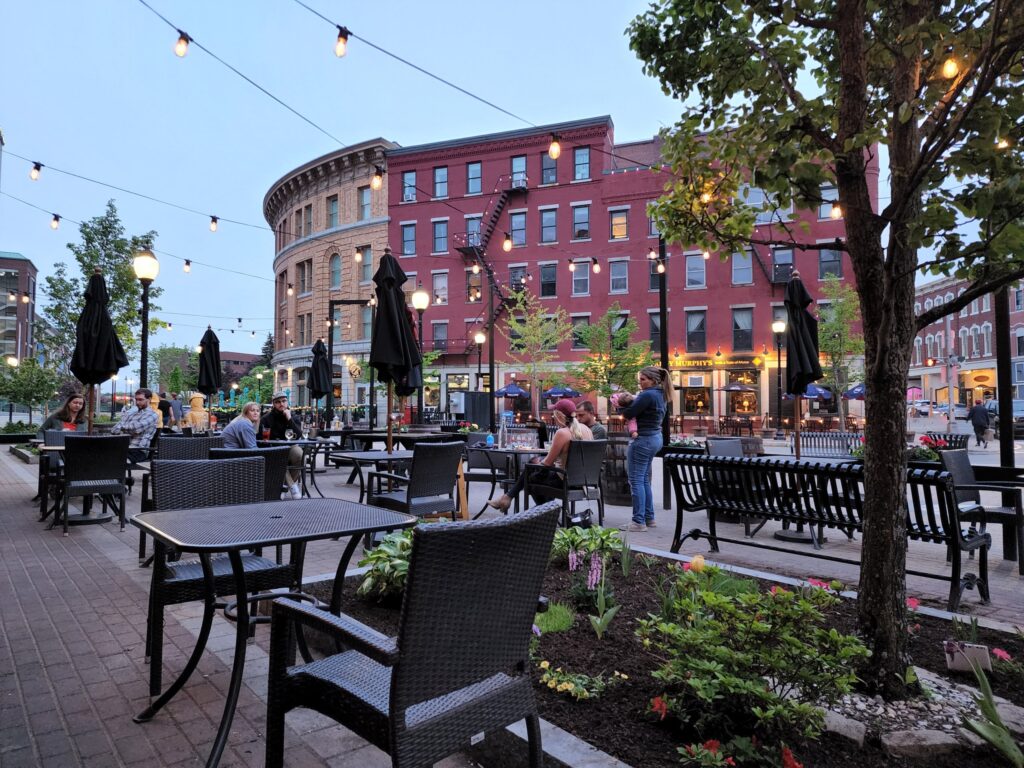
How massage therapy helps busy professionals, parents, first responders, and downtown office workers feel better
In today’s fast-paced world, stress and anxiety have become everyday companions for many of us in Bangor and Central Maine. Whether you’re juggling deadlines in a State Street office, managing family life after a long day, or working shift work as a first responder, chronic stress takes a real toll on both body and mind.
At A Body in Knead, we’ve seen firsthand how regular massage therapy provides powerful relief. Here’s what the research shows — and what our clients experience every week.
The Science Behind Massage for Stress & Anxiety
Multiple peer-reviewed studies confirm that massage therapy does more than just feel good — it creates measurable changes in your body:
- Lowers cortisol (the primary stress hormone)
- Increases serotonin and dopamine (your natural mood boosters)
- Reduces symptoms of anxiety by as much as 50% in some clinical trials
- Improves sleep quality, which is often disrupted by stress
- Lowers blood pressure and heart rate
A 2023 review in the Journal of Clinical Psychiatry found that massage therapy is particularly effective for people with generalized anxiety disorder and work-related burnout.
What We See in Downtown Bangor
Living and working in Bangor brings its own unique stressors. Many of our clients come in with the same complaints:
For Office Workers & Remote Professionals near State Street:
- Tight shoulders and “tech neck” from hours at a desk or laptop
- Lower back pain from poor ergonomics at home or in older Bangor office buildings
- Tension headaches that start in the afternoon and last into the evening
- Posture issues that develop from leaning forward toward screens all day
We regularly treat professionals who work in banks, law offices, government buildings, and remote setups along the Kenduskeag. After just one session, most notice immediate relief in their neck and shoulders, with better posture and reduced pain within a few visits.
For Busy Parents:
- Constant mental load and physical exhaustion
- “Mom/dad shoulders” from carrying kids, car seats, and groceries
- Difficulty switching off at night
Parents often tell us that their 60- or 90-minute appointment is the only time all week their mind truly gets to rest.
For First Responders & Healthcare Workers:
- High-stress environments and irregular schedules
- Physical strain from lifting, driving, and wearing heavy gear
- Emotional fatigue from difficult calls and long shifts
Many local firefighters, police officers, nurses, and EMTs use massage as a key part of their recovery routine. It helps them reset their nervous system between demanding shifts.
How Massage Therapy Helps with Posture Issues
One of the most common issues we treat in downtown Bangor is forward head posture and rounded shoulders — often called “desk posture.” During a session, our therapists:
- Release tight chest and neck muscles
- Lengthen the upper back
- Re-educate the body into better alignment
- Provide simple at-home stretches you can do between clients or meetings
Many clients report standing taller and breathing easier after consistent care.Recommended Massage Styles for Stress & Anxiety
- Swedish Massage — Gentle, flowing strokes that promote deep relaxation
- Deep Tissue / Trigger Point Therapy — Targets muscle knots caused by stress and poor posture
- Hot Stone Massage — Especially soothing for anxiety and tight muscles
- Lymphatic Drainage — Helps reduce inflammation and calm the nervous system
- Chair Massage — Perfect for quick 30-minute sessions during lunch breaks
Ready to Feel the Difference?
If you live or work in Bangor, Brewer, Orono, Old Town, or surrounding towns and feel the weight of stress, anxiety, or desk-related tension, massage therapy can be a game-changer.
Don’t wait until you’re completely burned out.
A Body in Knead
263 State Street, Bangor, ME (207) 989-7473
abodyinknead.com
Book online or call today — your calmer, more relaxed self will thank you.
Understanding Complex Regional Pain Syndrome (CRPS)

At A Body in Knead, we believe that understanding your body is an important part of your wellness journey. Many people living with chronic pain feel unheard or confused by their symptoms, especially when the pain doesn’t follow the “normal” healing process. One condition that often falls into this category is Complex Regional Pain Syndrome (CRPS). By sharing clear, approachable information, we hope to help our Bangor community better understand this condition and feel empowered to seek appropriate care and support.
Complex Regional Pain Syndrome (CRPS) is a chronic pain condition that typically develops after an injury, surgery, stroke, or even a minor sprain. What makes CRPS different from typical pain is that the intensity and duration of symptoms are far greater than expected for the original injury.
CRPS most commonly affects an arm, hand, leg, or foot and can significantly impact daily life if not treated early.
What Is CRPS?
CRPS occurs when the nervous system becomes overactive and continues sending pain signals long after the body should have healed. Instead of returning to normal, the body remains in a heightened “pain response” state.
There are two types:
- CRPS Type 1: Occurs without confirmed nerve damage (more common).
- CRPS Type 2: Occurs after a known nerve injury.
While the exact cause isn’t fully understood, CRPS involves abnormal inflammation and dysfunction in both the peripheral and central nervous systems.
Common Symptoms of CRPS
Symptoms can vary from person to person but often include:
- Burning, throbbing, or stabbing pain
- Extreme sensitivity to touch (even light clothing may feel painful)
- Swelling in the affected area
- Changes in skin temperature (hot or cold compared to the opposite limb)
- Skin color changes (red, purple, pale, or blotchy)
- Shiny or thin skin texture
- Joint stiffness and reduced range of motion
- Changes in hair and nail growth
Pain is usually disproportionate to the original injury and may worsen with stress or movement.
Why Early Treatment Matters
Early diagnosis and treatment significantly improve outcomes. CRPS can become more difficult to manage over time if left untreated.
Treatment plans often include:
- Physical therapy: Gentle, guided movement is critical to prevent stiffness and loss of function.
- Medications: Nerve pain medications may help calm overactive pain signals.
- Desensitization therapy: Gradual exposure techniques help reduce hypersensitivity.
- Nerve blocks or pain management procedures: In some cases, specialists may recommend additional interventions.
A team approach—often including a primary care provider, pain specialist, and physical therapist—is common.
Can Massage Help CRPS?
Massage therapy for individuals with CRPS must be approached carefully and thoughtfully. Because the nervous system is already in a heightened state, deep or aggressive techniques are not appropriate.
When approved by a healthcare provider, gentle, consent-based, and highly individualized work may support:
- Relaxation
- Stress reduction
- Circulation
- Nervous system calming
Every case is unique, and communication is essential. If you or someone you know has CRPS, always consult with a medical professional before beginning bodywork.
When to Seek Medical Attention
If you are experiencing ongoing pain that feels severe, disproportionate to an injury, or accompanied by unusual skin or temperature changes, it’s important to speak with a healthcare provider. Early intervention can make a significant difference in long-term outcomes.
Living with CRPS can be overwhelming, but you don’t have to navigate chronic pain alone. At A Body in Knead in Bangor, Maine, our focus is on providing a calm, supportive environment and thoughtful, client-centered care. While CRPS requires medical guidance, gentle, informed bodywork—when appropriate—may be one part of a broader wellness plan.
If you have questions about massage therapy, nervous system–supportive services, or whether a service may be appropriate for your situation, we encourage open conversation and collaboration with your healthcare provider. Our goal is always to support comfort, safety, and overall well-being—meeting you exactly where you are.
Couples Massage in Bangor, Maine: A Shared Wellness Experience

Couples massage at A Body in Knead is a popular wellness experience in Bangor, Maine, for those seeking relaxation in a calm, professional setting. Designed for partners, friends, and coworkers, this side-by-side service allows each guest to enjoy personalized bodywork while sharing time together.
Sessions may include therapeutic or deep tissue techniques, with the option to enhance the experience using hot stone add-ons. Heated stones help warm muscles, support circulation, and encourage deeper relaxation, making them a favored upgrade for shared appointments. These customizable options make couples massage ideal for date nights, celebrations, group outings, or stress relief.
This shared wellness service offers a meaningful way to release tension, support recovery, and step away from daily demands. In the Bangor area, couples massage at A Body in Knead continues to be a sought-after option for connection, comfort, and restoration.
Gift Cards

Give the gift of wellness — a perfect treat for birthdays, holidays, or “just because.” Our gift cards can be used toward any of our spa services, including massages, head-spas, facials, body treatments, or full-body packages.
- Easy to purchase online.
- Redeemable whenever the recipient is ready (just reserve an appointment).
- Ideal for anyone who deserves some self-care and relaxation.
A thoughtful, flexible present that lets them choose exactly how they’d like to be pampered.