
Posts Tagged ‘A Body in Knead’
Massage for Stress & Anxiety: What Science Says + What We See in Bangor
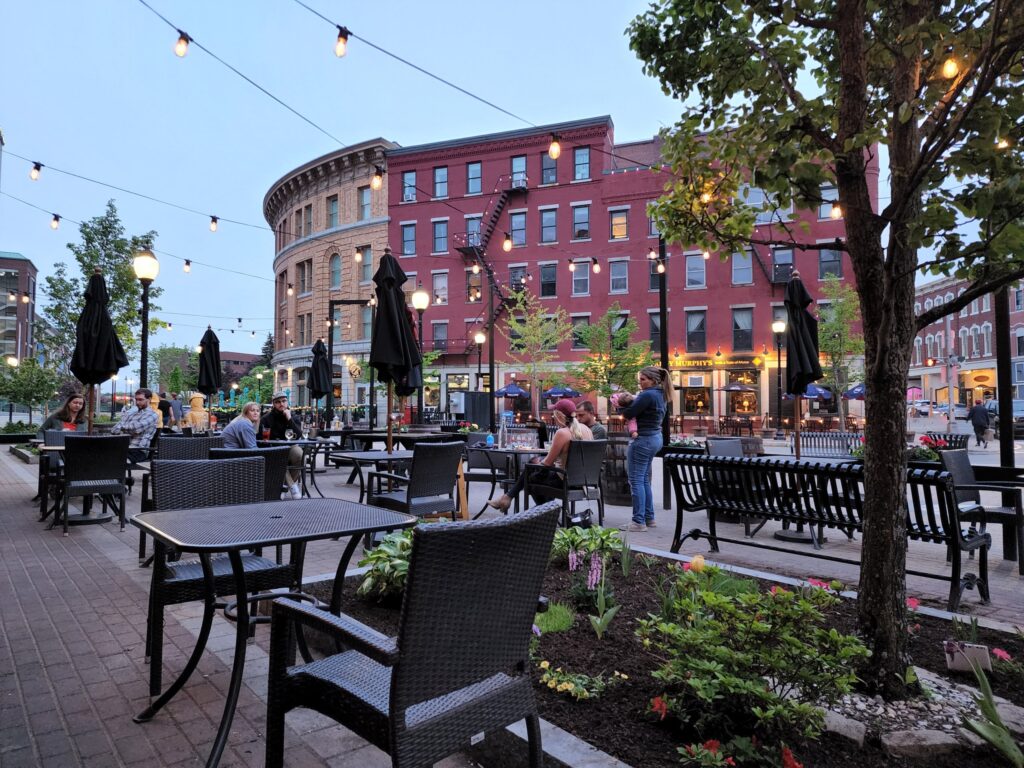
How massage therapy helps busy professionals, parents, first responders, and downtown office workers feel better
In today’s fast-paced world, stress and anxiety have become everyday companions for many of us in Bangor and Central Maine. Whether you’re juggling deadlines in a State Street office, managing family life after a long day, or working shift work as a first responder, chronic stress takes a real toll on both body and mind.
At A Body in Knead, we’ve seen firsthand how regular massage therapy provides powerful relief. Here’s what the research shows — and what our clients experience every week.
The Science Behind Massage for Stress & Anxiety
Multiple peer-reviewed studies confirm that massage therapy does more than just feel good — it creates measurable changes in your body:
- Lowers cortisol (the primary stress hormone)
- Increases serotonin and dopamine (your natural mood boosters)
- Reduces symptoms of anxiety by as much as 50% in some clinical trials
- Improves sleep quality, which is often disrupted by stress
- Lowers blood pressure and heart rate
A 2023 review in the Journal of Clinical Psychiatry found that massage therapy is particularly effective for people with generalized anxiety disorder and work-related burnout.
What We See in Downtown Bangor
Living and working in Bangor brings its own unique stressors. Many of our clients come in with the same complaints:
For Office Workers & Remote Professionals near State Street:
- Tight shoulders and “tech neck” from hours at a desk or laptop
- Lower back pain from poor ergonomics at home or in older Bangor office buildings
- Tension headaches that start in the afternoon and last into the evening
- Posture issues that develop from leaning forward toward screens all day
We regularly treat professionals who work in banks, law offices, government buildings, and remote setups along the Kenduskeag. After just one session, most notice immediate relief in their neck and shoulders, with better posture and reduced pain within a few visits.
For Busy Parents:
- Constant mental load and physical exhaustion
- “Mom/dad shoulders” from carrying kids, car seats, and groceries
- Difficulty switching off at night
Parents often tell us that their 60- or 90-minute appointment is the only time all week their mind truly gets to rest.
For First Responders & Healthcare Workers:
- High-stress environments and irregular schedules
- Physical strain from lifting, driving, and wearing heavy gear
- Emotional fatigue from difficult calls and long shifts
Many local firefighters, police officers, nurses, and EMTs use massage as a key part of their recovery routine. It helps them reset their nervous system between demanding shifts.
How Massage Therapy Helps with Posture Issues
One of the most common issues we treat in downtown Bangor is forward head posture and rounded shoulders — often called “desk posture.” During a session, our therapists:
- Release tight chest and neck muscles
- Lengthen the upper back
- Re-educate the body into better alignment
- Provide simple at-home stretches you can do between clients or meetings
Many clients report standing taller and breathing easier after consistent care.Recommended Massage Styles for Stress & Anxiety
- Swedish Massage — Gentle, flowing strokes that promote deep relaxation
- Deep Tissue / Trigger Point Therapy — Targets muscle knots caused by stress and poor posture
- Hot Stone Massage — Especially soothing for anxiety and tight muscles
- Lymphatic Drainage — Helps reduce inflammation and calm the nervous system
- Chair Massage — Perfect for quick 30-minute sessions during lunch breaks
Ready to Feel the Difference?
If you live or work in Bangor, Brewer, Orono, Old Town, or surrounding towns and feel the weight of stress, anxiety, or desk-related tension, massage therapy can be a game-changer.
Don’t wait until you’re completely burned out.
A Body in Knead
263 State Street, Bangor, ME (207) 989-7473
abodyinknead.com
Book online or call today — your calmer, more relaxed self will thank you.
Why Hydration and Massage Matter in Bangor, Maine

In a place like Bangor, people spend a large part of the year battling cold weather, long work weeks, physical labor, stress, and seasonal fatigue. Between Maine winters, outdoor recreation, long drives, desk jobs, and active lifestyles, the body often carries more tension than people realize.
That is where hydration and massage therapy begin to work together.
At A Body in Knead, many clients come in feeling tight, exhausted, mentally drained, or sore from daily life. One of the simplest but most overlooked tools for recovery is proper hydration before and after massage therapy.
Water is not just about quenching thirst. The body depends on hydration for circulation, muscle function, joint mobility, nervous system regulation, and tissue recovery. When combined with massage therapy, hydration can help support how the body responds to treatment and recovery afterward.
Why Hydration Matters for Muscle Health
Muscles contain a high percentage of water. When the body becomes dehydrated, muscle tissue may feel tighter, more sensitive, and less resilient. This can contribute to stiffness, cramping, fatigue, and reduced flexibility.
For people in Bangor who spend time:
- Hiking Maine trails
- Working physical jobs
- Sitting long hours at desks
- Traveling frequently
- Exercising regularly
- Dealing with stress and tension
…hydration often drops lower than they realize.
Massage therapists frequently notice that well-hydrated tissue tends to respond more smoothly during sessions. Dehydrated muscles can feel more resistant and irritated during deeper therapeutic work.
Some research and educational reviews suggest massage therapy may help temporarily reduce pain, tension, and stress while supporting circulation and relaxation.
Massage and Circulation
Massage therapy encourages movement throughout soft tissue and may help stimulate circulation. Better circulation means oxygen and nutrients can move more efficiently throughout the body.
Hydration supports that process.
When clients receive massage while staying adequately hydrated, many report:
- Feeling less sluggish afterward
- Reduced post-session soreness
- Improved mobility
- Better recovery from workouts or physical activity
- Easier muscle relaxation
While massage is not a cure-all, research continues exploring how it may positively influence circulation, stress response, muscle soreness, and relaxation.
Bangor’s Lifestyle and Physical Stress
Living in Maine often means balancing activity with recovery.
In Bangor and surrounding communities, many residents spend weekends:
- Hiking near Acadia National Park
- Walking the waterfront
- Kayaking Maine lakes
- Snow blowing during winter
- Working construction or healthcare jobs
- Training in gyms or outdoor sports
The body accumulates stress from both movement and stillness. Ironically, sitting at a computer all day can create as much muscular tension as intense physical activity.
Massage therapy can become part of a broader recovery routine that includes:
- Sleep
- Stretching
- Movement
- Nutrition
- Hydration
- Stress management
People often wait until pain becomes severe before addressing tension. Consistent self-care tends to work better than emergency recovery.
The Nervous System Connection
One of the biggest reasons people seek massage therapy is not just muscle pain — it is nervous system overload.
Modern life keeps many people in a constant “fight or flight” state:
- Notifications
- Deadlines
- Stress
- Financial pressure
- Poor sleep
- Mental exhaustion
Massage therapy may help encourage the parasympathetic nervous system — the body’s “rest and recovery” mode. Research reviews have noted reductions in stress markers, heart rate, and anxiety after massage sessions in some individuals.
Hydration supports nervous system function as well. Even mild dehydration may contribute to fatigue, headaches, brain fog, and irritability.
Together, massage and hydration can support a stronger sense of physical and mental recovery.
Fascia, Flexibility, and Recovery
Massage therapists also work with fascia — connective tissue surrounding muscles and structures throughout the body.
Fascia responds to:
- Stress
- Repetitive movement
- Injury
- Posture
- Hydration levels
Many therapists observe that hydrated tissue often moves more freely and comfortably during treatment.
This matters for:
- Deep tissue massage
- Sports recovery
- Mobility work
- Chronic tension patterns
- Active clients in Bangor’s outdoor culture
Whether someone is training hard or simply sitting too long at work, tissue health matters.
Practical Hydration Tips Before and After Massage
Hydration does not mean forcing excessive water intake all at once. Consistency matters more.
Helpful habits include:
- Drinking water steadily throughout the day
- Increasing hydration after exercise or sweating
- Limiting excessive alcohol before massage sessions
- Replacing electrolytes when physically active
- Drinking water after deep tissue or therapeutic massage
Massage therapy schools and wellness educators commonly encourage hydration after sessions to support recovery and reduce soreness.
Wellness in Maine Is About Sustainability
Wellness is not perfection.
In Maine, especially around Bangor, many people pride themselves on pushing through discomfort. But constantly ignoring stress, tension, and exhaustion eventually catches up physically.
Massage therapy is not simply a luxury experience. For many people, it becomes part of maintaining function, mobility, recovery, and mental balance.
Combined with hydration, movement, and recovery habits, massage can help people feel more connected to their body again.
Sometimes the goal is not to perform harder.
Sometimes the goal is simply to feel human again.