
Posts Tagged ‘Maine Wellness’
How Wellness Massage Supports Your Overall Health:
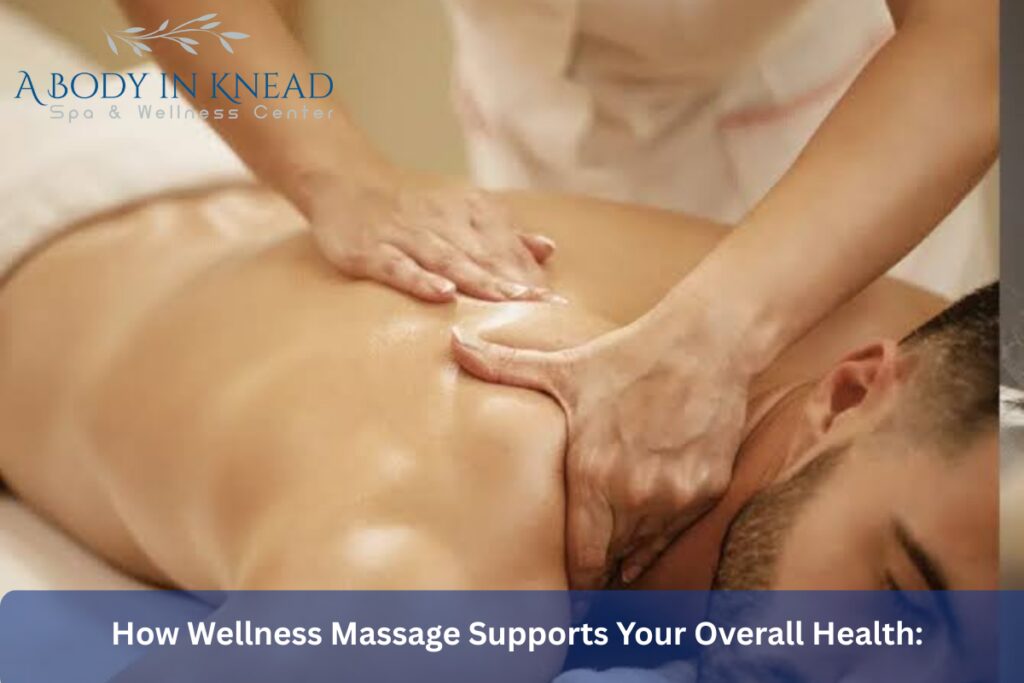
Modern life places constant demands on both the body and mind. Whether you’re managing a busy career, caring for your family, exercising regularly, or spending long hours at a desk, daily stress and physical strain can gradually affect your health. Tight muscles, poor posture, fatigue, headaches, and ongoing discomfort often develop slowly, making them easy to ignore until they begin interfering with your quality of life. Fortunately, taking care of your body doesn’t always require complicated treatments or medications. A regular wellness massage offers a natural way to support your overall health while helping you feel your best.
At A Body in Knead, we believe massage is an important part of preventive wellness rather than an occasional luxury. Professional massage therapy helps reduce stress, improve circulation, ease muscle tension, and encourage your body’s natural healing processes. Whether your goal is relaxation, improved mobility, or managing everyday aches, wellness massage can become an essential part of a healthier lifestyle. This guide explores how massage benefits your physical, mental, and emotional well-being while helping you maintain long-term health.
Understanding Wellness Massage
A wellness massage focuses on maintaining overall health instead of treating only a specific injury or medical condition. It combines gentle to moderate techniques that promote relaxation, improve circulation, and help your body recover from everyday stress and physical activity.
Unlike treatments that are only scheduled when pain becomes severe, wellness massage is often part of an ongoing self-care routine. Regular sessions help your body function more efficiently while supporting long-term physical and emotional wellness.
Although everyone experiences different benefits, many people notice improved flexibility, reduced stress, better sleep, and increased energy after consistent massage therapy.
How Massage Therapy Supports Whole-Body Health
Professional massage therapy works by stimulating soft tissues, improving blood flow, and encouraging relaxation throughout the body. Better circulation allows oxygen and nutrients to reach muscles more efficiently while helping remove metabolic waste that contributes to soreness.
Massage also activates the parasympathetic nervous system, sometimes called the body’s “rest and recover” response. As stress hormones decrease, your heart rate slows, breathing becomes deeper, and muscles naturally begin to relax.
This combination of physical and mental relaxation contributes to improved overall health while supporting your body’s natural healing abilities.
Relieving Everyday Stress Naturally
Stress affects far more than your mood. It can contribute to headaches, muscle tightness, fatigue, digestive issues, poor sleep, and even reduced immune function.
A regular stress relief massage provides an opportunity for both your body and mind to reset. During a session, gentle massage techniques encourage relaxation while helping reduce cortisol, the body’s primary stress hormone.
At the same time, massage promotes the release of serotonin and dopamine, chemicals associated with improved mood and emotional well-being.
As a result, many clients leave feeling calmer, more focused, and better prepared to manage daily challenges.
Therapeutic Massage for Better Movement
Although wellness massage promotes relaxation, many sessions also include elements of therapeutic massage designed to improve movement and physical function.
Therapeutic techniques target tight muscles, restricted soft tissues, and areas of discomfort that may limit your mobility. Whether your stiffness comes from sitting at a computer, repetitive work, or exercise, massage helps restore healthy movement patterns.
Improved flexibility allows joints to move more freely while reducing strain on surrounding muscles.
Many people also experience improved posture as muscle imbalances gradually decrease through regular treatment.
Muscle Tension Relief for Everyday Comfort
One of the most noticeable benefits of massage is muscle tension relief.
Muscles naturally tighten in response to stress, poor posture, repetitive movement, or physical activity. Left untreated, chronic muscle tightness may contribute to headaches, neck pain, shoulder discomfort, lower back pain, and limited flexibility.
Massage gently releases these tight muscles while increasing circulation and reducing stiffness.
Regular sessions help maintain healthier muscle function, making everyday activities feel easier and more comfortable.
Supporting Chronic Pain Relief
Many individuals seek massage because they are looking for chronic pain relief without relying solely on medication.
Massage may help reduce discomfort associated with:
- Chronic neck pain
- Lower back pain
- Shoulder pain
- Muscle stiffness
- Arthritis-related tension
- Repetitive strain injuries
While massage may not cure every condition, it often works alongside medical care to improve mobility, reduce pain, and support better quality of life.
Personalized treatment plans ensure each session focuses on your unique needs and wellness goals.
A Holistic Approach to Better Health
True wellness involves much more than treating isolated symptoms. That’s why many people choose holistic massage as part of their overall healthcare routine.
Rather than focusing on one painful area, holistic massage considers how physical health, emotional well-being, stress, sleep, and lifestyle all influence one another.
This whole-body perspective encourages lasting improvements in both physical comfort and mental wellness.
When combined with regular exercise, balanced nutrition, proper hydration, and quality sleep, massage becomes an important part of maintaining lifelong health.
Pain Relief Massage Beyond Injury Recovery
Many people assume pain relief massage is only necessary after an injury, but that’s not the case.
Massage can also help reduce discomfort caused by:
- Long workdays
- Poor posture
- Heavy lifting
- Exercise
- Travel
- Everyday stress
By improving circulation and reducing muscle tightness, massage helps your body recover more efficiently from the demands of daily life.
Scheduling regular sessions often prevents minor discomfort from becoming long-term pain.
Why Choosing a Licensed Massage Therapist Matters
Working with a qualified licensed massage therapist ensures your treatment is both safe and effective.
Licensed professionals receive specialized education in anatomy, physiology, soft tissue techniques, and proper treatment methods. They understand how to adapt each session based on your medical history, physical condition, and wellness goals.
An experienced therapist also communicates throughout your appointment, adjusting pressure and techniques to maximize both comfort and results.
Building an ongoing relationship with the same therapist allows treatments to evolve as your body’s needs change over time.
Making Wellness Massage Part of Your Lifestyle
One massage can certainly help you feel better, but long-term benefits often come from consistency.
Many people schedule a relaxation massage or wellness session every two to four weeks as part of their preventive healthcare routine.
Regular appointments help:
- Reduce accumulated stress
- Improve circulation
- Support flexibility
- Promote better sleep
- Maintain healthy muscles
- Encourage emotional balance
Like healthy eating or regular exercise, massage works best when incorporated into your overall lifestyle.
Frequently Asked Questions
What is a wellness massage?
A wellness massage focuses on improving overall physical and mental well-being through relaxation, circulation, and muscle care rather than treating only injuries.
How is wellness massage different from therapeutic massage?
While therapeutic massage often targets specific areas of pain or dysfunction, wellness massage emphasizes ongoing maintenance, stress reduction, and preventive care.
How often should I get a wellness massage?
Many people benefit from sessions every two to four weeks, although frequency depends on your lifestyle, stress levels, and personal wellness goals.
Can massage help with chronic pain?
Yes. Massage is commonly used to support chronic pain relief by improving circulation, relaxing muscles, and increasing flexibility.
Does massage help reduce stress?
Absolutely. A stress relief massage encourages relaxation while lowering stress hormones and promoting emotional well-being.
Is massage therapy safe?
For most healthy individuals, professional massage therapy is very safe. Your therapist will review your health history before beginning treatment.
Why should I choose a licensed massage therapist?
A licensed massage therapist has professional training that helps ensure treatments are customized, effective, and performed safely.
Final Thoughts
Taking care of your health isn’t just about responding to pain—it’s about creating healthy habits that help your body and mind perform at their best every day. A regular wellness massage offers far more than temporary relaxation. Through professional massage therapy, therapeutic massage, stress relief massage, and pain relief massage, you can reduce stress, improve mobility, encourage muscle tension relief, and support long-term chronic pain relief naturally. By embracing a holistic massage approach, you’re investing in your overall well-being and building a stronger foundation for a healthier, more balanced life.
At A Body in Knead, our experienced licensed massage therapists are dedicated to providing personalized care that supports your unique wellness goals. Whether you’re looking to ease daily stress, improve physical function, or make relaxation massage a regular part of your self-care routine, we’re here to help you feel refreshed, restored, and ready to enjoy life with greater comfort and confidence
Why Hydration and Massage Matter in Bangor, Maine

In a place like Bangor, people spend a large part of the year battling cold weather, long work weeks, physical labor, stress, and seasonal fatigue. Between Maine winters, outdoor recreation, long drives, desk jobs, and active lifestyles, the body often carries more tension than people realize.
That is where hydration and massage therapy begin to work together.
At A Body in Knead, many clients come in feeling tight, exhausted, mentally drained, or sore from daily life. One of the simplest but most overlooked tools for recovery is proper hydration before and after massage therapy.
Water is not just about quenching thirst. The body depends on hydration for circulation, muscle function, joint mobility, nervous system regulation, and tissue recovery. When combined with massage therapy, hydration can help support how the body responds to treatment and recovery afterward.
Why Hydration Matters for Muscle Health
Muscles contain a high percentage of water. When the body becomes dehydrated, muscle tissue may feel tighter, more sensitive, and less resilient. This can contribute to stiffness, cramping, fatigue, and reduced flexibility.
For people in Bangor who spend time:
- Hiking Maine trails
- Working physical jobs
- Sitting long hours at desks
- Traveling frequently
- Exercising regularly
- Dealing with stress and tension
…hydration often drops lower than they realize.
Massage therapists frequently notice that well-hydrated tissue tends to respond more smoothly during sessions. Dehydrated muscles can feel more resistant and irritated during deeper therapeutic work.
Some research and educational reviews suggest massage therapy may help temporarily reduce pain, tension, and stress while supporting circulation and relaxation.
Massage and Circulation
Massage therapy encourages movement throughout soft tissue and may help stimulate circulation. Better circulation means oxygen and nutrients can move more efficiently throughout the body.
Hydration supports that process.
When clients receive massage while staying adequately hydrated, many report:
- Feeling less sluggish afterward
- Reduced post-session soreness
- Improved mobility
- Better recovery from workouts or physical activity
- Easier muscle relaxation
While massage is not a cure-all, research continues exploring how it may positively influence circulation, stress response, muscle soreness, and relaxation.
Bangor’s Lifestyle and Physical Stress
Living in Maine often means balancing activity with recovery.
In Bangor and surrounding communities, many residents spend weekends:
- Hiking near Acadia National Park
- Walking the waterfront
- Kayaking Maine lakes
- Snow blowing during winter
- Working construction or healthcare jobs
- Training in gyms or outdoor sports
The body accumulates stress from both movement and stillness. Ironically, sitting at a computer all day can create as much muscular tension as intense physical activity.
Massage therapy can become part of a broader recovery routine that includes:
- Sleep
- Stretching
- Movement
- Nutrition
- Hydration
- Stress management
People often wait until pain becomes severe before addressing tension. Consistent self-care tends to work better than emergency recovery.
The Nervous System Connection
One of the biggest reasons people seek massage therapy is not just muscle pain — it is nervous system overload.
Modern life keeps many people in a constant “fight or flight” state:
- Notifications
- Deadlines
- Stress
- Financial pressure
- Poor sleep
- Mental exhaustion
Massage therapy may help encourage the parasympathetic nervous system — the body’s “rest and recovery” mode. Research reviews have noted reductions in stress markers, heart rate, and anxiety after massage sessions in some individuals.
Hydration supports nervous system function as well. Even mild dehydration may contribute to fatigue, headaches, brain fog, and irritability.
Together, massage and hydration can support a stronger sense of physical and mental recovery.
Fascia, Flexibility, and Recovery
Massage therapists also work with fascia — connective tissue surrounding muscles and structures throughout the body.
Fascia responds to:
- Stress
- Repetitive movement
- Injury
- Posture
- Hydration levels
Many therapists observe that hydrated tissue often moves more freely and comfortably during treatment.
This matters for:
- Deep tissue massage
- Sports recovery
- Mobility work
- Chronic tension patterns
- Active clients in Bangor’s outdoor culture
Whether someone is training hard or simply sitting too long at work, tissue health matters.
Practical Hydration Tips Before and After Massage
Hydration does not mean forcing excessive water intake all at once. Consistency matters more.
Helpful habits include:
- Drinking water steadily throughout the day
- Increasing hydration after exercise or sweating
- Limiting excessive alcohol before massage sessions
- Replacing electrolytes when physically active
- Drinking water after deep tissue or therapeutic massage
Massage therapy schools and wellness educators commonly encourage hydration after sessions to support recovery and reduce soreness.
Wellness in Maine Is About Sustainability
Wellness is not perfection.
In Maine, especially around Bangor, many people pride themselves on pushing through discomfort. But constantly ignoring stress, tension, and exhaustion eventually catches up physically.
Massage therapy is not simply a luxury experience. For many people, it becomes part of maintaining function, mobility, recovery, and mental balance.
Combined with hydration, movement, and recovery habits, massage can help people feel more connected to their body again.
Sometimes the goal is not to perform harder.
Sometimes the goal is simply to feel human again.