
Posts by A Body in Knead
Why Your Massage Should Include a 360° Adjustable Face Cradle
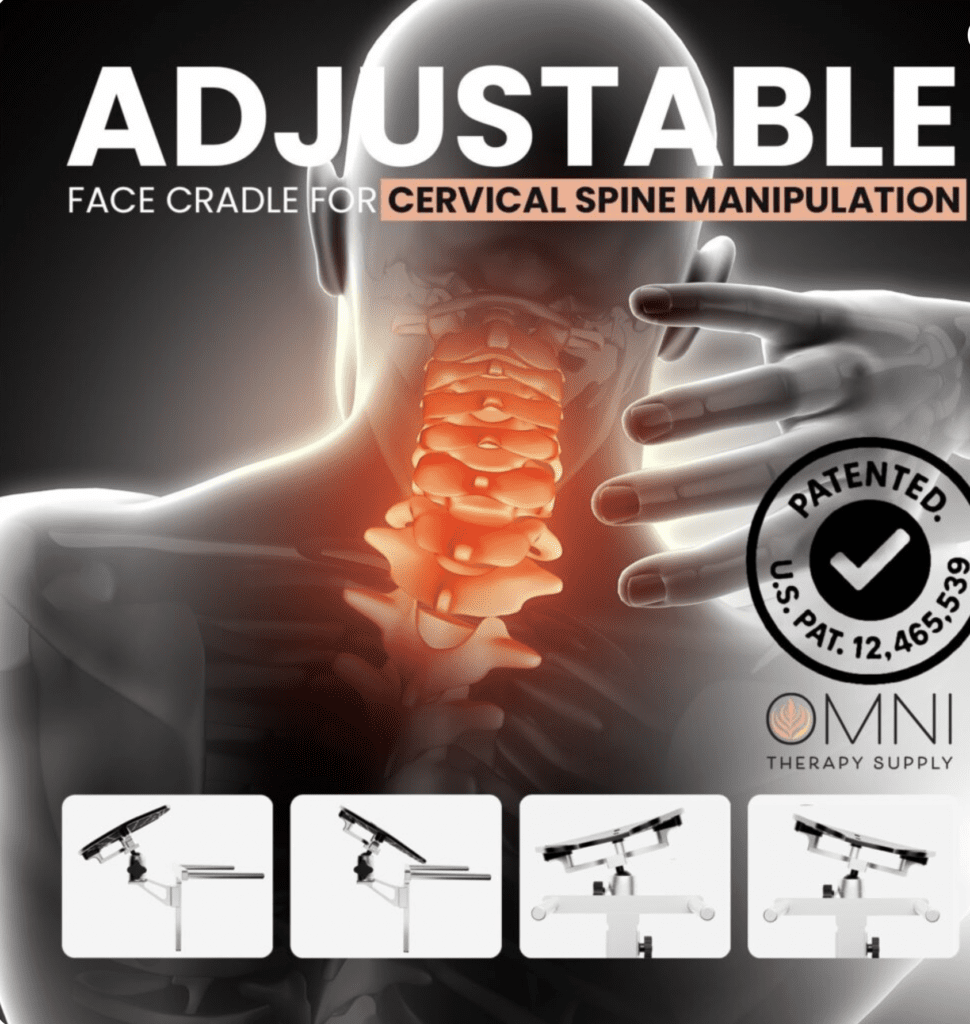
When it comes to a truly relaxing massage, every detail matters—especially how your head and neck are supported. That’s why at A Body in Knead, we use a 360° Adjustable Face Cradle to make your experience as comfortable and effective as possible.
What Makes a 360° Face Cradle Different?
Unlike standard face cradles, a 360° adjustable design allows your therapist to:
- Tilt and rotate your head perfectly to reduce neck strain
- Relieve pressure on the eyes, nose, and jaw
- Customize support for every client, no matter your size or face shape
This means you can fully relax during your massage without holding tension in your face or neck.
The Benefits for You
- Enhanced Comfort
Even a slight misalignment in a standard cradle can create discomfort over a long massage. The 360 cradle adjusts in every direction so your head rests naturally and comfortably. - Better Breathing & Relaxation
By reducing pressure on your face, you can breathe easier and sink deeper into relaxation. - Improved Massage Effectiveness
When your head and neck are perfectly supported, your therapist can focus more on your muscles and tension points—so you get maximum benefit from every technique. - Gentle on Sensitive Areas
If you have TMJ, sinus sensitivity, or headaches, the 360° cradle minimizes strain and pressure, making your massage safer and more soothing.
Why It Matters for Every Massage
Even a short adjustment can make a huge difference in how you feel during and after a session. Whether you’re booking a therapeutic massage or deep tissue, the 360 face cradle ensures that your comfort comes first—so your body can fully relax and your therapist can do their best work.
Book Your Massage With a 360 Face Cradle
Ready to experience the difference? Book your next massage at A Body in Knead and enjoy the ultimate in comfort, support, and relaxation.
Your comfort is not an extra—it’s built into every session.
Dermaplaning: What It Is, Benefits, and Why Your Skin Will Love It

If your skin feels dull, rough, or your makeup just isn’t sitting right anymore, dermaplaning might be exactly what you need.
Dermaplaning is a safe, non-invasive exfoliation treatment that removes dead skin cells and fine vellus hair (often called “peach fuzz”) using a sterile surgical blade. The result? Smoother, brighter, healthier-looking skin — instantly.
What Does Dermaplaning Do?
Over time, dead skin cells build up on the surface of your face. That buildup can cause:
- Dull complexion
- Uneven texture
- Breakouts
- Fine lines appearing more noticeable
- Makeup that looks cakey
Dermaplaning gently removes that outer layer, revealing fresh skin underneath and allowing your skincare products to penetrate more effectively.
The Benefits of Dermaplaning
✔ Immediate glow
✔ Smoother skin texture
✔ Better product absorption
✔ Flawless makeup application
✔ Safe for most skin types
✔ No downtime
Many clients love it before special events because it gives that natural glow without irritation or recovery time.
Will My Hair Grow Back Thicker?
No. This is one of the biggest myths. Dermaplaning does not change the thickness, color, or growth rate of your hair. It grows back exactly the same as before.
Who Is a Good Candidate?
Dermaplaning is great for:
- Dry or dull skin
- Mild acne scarring
- Fine lines
- Uneven texture
- Clients wanting smoother makeup application
It may not be ideal for those with active cystic acne or certain skin conditions, which we always review before treatment.
How Often Should You Get Dermaplaning?
Most clients schedule every 4–6 weeks to maintain results and keep skin consistently smooth and glowing.
Why Choose A Body in Knead?
At A Body in Knead, we focus on treatments that support both relaxation and results. Dermaplaning pairs beautifully with facials and can be added to enhance your overall skincare experience.
Healthy skin isn’t about perfection — it’s about maintenance. If your skin feels tired, this is one of the simplest ways to reset it.
Ready to glow? Book your dermaplaning session today.
Tech Neck Relief at A Body in Knead

If you spend hours on your phone or computer, you might already know the feeling:
- stiff neck
- shoulder tension
- headaches
- that hunched-forward posture you can’t quite shake
It’s called tech neck, and it’s one of the most common modern postural problems.
The good news? It’s treatable — and massage therapy can help.
What Is Tech Neck?
Tech neck happens when prolonged screen use forces your head forward and down.
Your head weighs about 10–12 pounds in a neutral position.
When it tilts forward 30 degrees, the strain on your neck muscles can feel like carrying 40 pounds.
Over time, this leads to:
- tight neck muscles
- shoulder tension
- reduced mobility
- headaches
- postural changes
It’s not just discomfort — it can affect daily movement and quality of life.
How Massage Helps Tech Neck
Massage therapy targets the muscles that become tight and overworked.
Here’s how it helps:
1. Releases Muscle Tension
Neck and shoulder muscles tighten to support poor posture. Massage loosens these areas.
2. Improves Blood Flow
Better circulation helps muscles recover and reduces stiffness.
3. Encourages Better Posture
When tension is released, it becomes easier to hold a neutral, upright posture.
4. Reduces Headaches
Many tension headaches originate from neck and shoulder strain.
5. Promotes Relaxation
Stress and tension often worsen postural issues. Massage helps the nervous system unwind.
Signs You Might Have Tech Neck
Ask yourself:
- Do I frequently feel neck tightness?
- Do I get headaches after screen time?
- Are my shoulders hunched forward?
- Is turning my head uncomfortable?
- Do I feel stiffness after long periods of sitting?
If yes, you’re not alone — and help is available.
Prevention Tips
Massage is powerful, but daily habits matter too:
✔ Take screen breaks every 20–30 minutes
✔ Keep your screen at eye level
✔ Stretch your neck and shoulders
✔ Practice good posture
✔ Consider regular massage sessions
Small adjustments add up.
Ready to Feel Better?
Tech neck doesn’t have to control your comfort.
Deep tissue and targeted neck work can:
- reduce tension
- improve mobility
- support better posture
- relieve headaches
If you’re dealing with neck or shoulder pain, we’re here to help.
Book a session and take the first step toward relief.
Understanding Complex Regional Pain Syndrome (CRPS)

At A Body in Knead, we believe that understanding your body is an important part of your wellness journey. Many people living with chronic pain feel unheard or confused by their symptoms, especially when the pain doesn’t follow the “normal” healing process. One condition that often falls into this category is Complex Regional Pain Syndrome (CRPS). By sharing clear, approachable information, we hope to help our Bangor community better understand this condition and feel empowered to seek appropriate care and support.
Complex Regional Pain Syndrome (CRPS) is a chronic pain condition that typically develops after an injury, surgery, stroke, or even a minor sprain. What makes CRPS different from typical pain is that the intensity and duration of symptoms are far greater than expected for the original injury.
CRPS most commonly affects an arm, hand, leg, or foot and can significantly impact daily life if not treated early.
What Is CRPS?
CRPS occurs when the nervous system becomes overactive and continues sending pain signals long after the body should have healed. Instead of returning to normal, the body remains in a heightened “pain response” state.
There are two types:
- CRPS Type 1: Occurs without confirmed nerve damage (more common).
- CRPS Type 2: Occurs after a known nerve injury.
While the exact cause isn’t fully understood, CRPS involves abnormal inflammation and dysfunction in both the peripheral and central nervous systems.
Common Symptoms of CRPS
Symptoms can vary from person to person but often include:
- Burning, throbbing, or stabbing pain
- Extreme sensitivity to touch (even light clothing may feel painful)
- Swelling in the affected area
- Changes in skin temperature (hot or cold compared to the opposite limb)
- Skin color changes (red, purple, pale, or blotchy)
- Shiny or thin skin texture
- Joint stiffness and reduced range of motion
- Changes in hair and nail growth
Pain is usually disproportionate to the original injury and may worsen with stress or movement.
Why Early Treatment Matters
Early diagnosis and treatment significantly improve outcomes. CRPS can become more difficult to manage over time if left untreated.
Treatment plans often include:
- Physical therapy: Gentle, guided movement is critical to prevent stiffness and loss of function.
- Medications: Nerve pain medications may help calm overactive pain signals.
- Desensitization therapy: Gradual exposure techniques help reduce hypersensitivity.
- Nerve blocks or pain management procedures: In some cases, specialists may recommend additional interventions.
A team approach—often including a primary care provider, pain specialist, and physical therapist—is common.
Can Massage Help CRPS?
Massage therapy for individuals with CRPS must be approached carefully and thoughtfully. Because the nervous system is already in a heightened state, deep or aggressive techniques are not appropriate.
When approved by a healthcare provider, gentle, consent-based, and highly individualized work may support:
- Relaxation
- Stress reduction
- Circulation
- Nervous system calming
Every case is unique, and communication is essential. If you or someone you know has CRPS, always consult with a medical professional before beginning bodywork.
When to Seek Medical Attention
If you are experiencing ongoing pain that feels severe, disproportionate to an injury, or accompanied by unusual skin or temperature changes, it’s important to speak with a healthcare provider. Early intervention can make a significant difference in long-term outcomes.
Living with CRPS can be overwhelming, but you don’t have to navigate chronic pain alone. At A Body in Knead in Bangor, Maine, our focus is on providing a calm, supportive environment and thoughtful, client-centered care. While CRPS requires medical guidance, gentle, informed bodywork—when appropriate—may be one part of a broader wellness plan.
If you have questions about massage therapy, nervous system–supportive services, or whether a service may be appropriate for your situation, we encourage open conversation and collaboration with your healthcare provider. Our goal is always to support comfort, safety, and overall well-being—meeting you exactly where you are.
Couples Massage in Bangor, Maine: A Shared Wellness Experience

Couples massage at A Body in Knead is a popular wellness experience in Bangor, Maine, for those seeking relaxation in a calm, professional setting. Designed for partners, friends, and coworkers, this side-by-side service allows each guest to enjoy personalized bodywork while sharing time together.
Sessions may include therapeutic or deep tissue techniques, with the option to enhance the experience using hot stone add-ons. Heated stones help warm muscles, support circulation, and encourage deeper relaxation, making them a favored upgrade for shared appointments. These customizable options make couples massage ideal for date nights, celebrations, group outings, or stress relief.
This shared wellness service offers a meaningful way to release tension, support recovery, and step away from daily demands. In the Bangor area, couples massage at A Body in Knead continues to be a sought-after option for connection, comfort, and restoration.
Massage Therapy for Mental Health
Massage Therapy & Mental Health: More Than Relaxation
Mental health challenges like anxiety, depression, chronic stress, and trauma affect more people than ever. While massage therapy isn’t a replacement for mental health care, it can be a powerful supportive tool for both emotional and physical well-being.
How Massage Helps the Nervous System
Massage works directly with the nervous system, helping shift the body from “fight or flight” into a calmer, more regulated state. This can reduce feelings of overwhelm, restlessness, and tension that often accompany anxiety and chronic stress. Many clients report feeling more grounded, present, and able to breathe deeply after a session.
Massage & Depression
Depression can show up not only emotionally, but physically—fatigue, heaviness, muscle pain, and sleep disruption are common. Massage therapy encourages relaxation, circulation, and body awareness, which may help clients reconnect with their bodies during times when motivation or energy feels low. The experience of safe, caring touch can also support feelings of comfort and connection.
Trauma-Informed Benefits
For individuals with a history of trauma, massage—when provided in a trauma-informed, consent-based way—can help restore a sense of control and safety in the body. Clear communication, choice, and respect are key. Over time, massage may help reduce muscle guarding and physical stress patterns that the body holds onto long after traumatic events.
Supporting Sleep, Mood, and Stress
Regular massage has been shown to help:
- Reduce physical tension linked to stress
- Support better sleep quality
- Improve overall mood and relaxation
- Increase body awareness and mindfulness
These effects can make day-to-day life feel more manageable, especially during periods of high stress or emotional strain.
A Complement, Not a Cure
Massage therapy works best as part of a well-rounded wellness routine, alongside mental health support, self-care, and medical care when needed. Every body is different, and sessions can be tailored to individual comfort levels and needs.
If you’re feeling overwhelmed, anxious, or emotionally exhausted, massage may offer a quiet space to reset, breathe, and reconnect—one session at a time.
If you are looking for information about the benefits of massage for mental health, the AMTA, American Massage Therapy Association, has written articles and published them on their website, http://amtamassage.org.
If massage feels like a supportive next step, we invite you to schedule a session at your own pace.
Reiki in Bangor, Maine | Energy Healing at A Body in Knead

What Is Reiki?
Reiki is a gentle energy healing therapy in Bangor, Maine that supports the body, mind, and spirit by restoring balance and promoting deep relaxation. At A Body in Knead, Reiki is offered as part of a holistic wellness approach to help clients reduce stress, release emotional tension, and reconnect with their inner energy.
Rooted in traditional Japanese healing practices, Reiki works by guiding universal life energy through the body to encourage natural healing and harmony.
The word Reiki comes from two Japanese terms:
- Rei – universal or higher wisdom
- Ki – life force energy
Together, Reiki means universal life energy, the natural energy that flows through all living things and supports overall wellness.
Reiki Energy Healing in Bangor, Maine
Many clients in Bangor and surrounding areas seek Reiki to manage stress, emotional overwhelm, and energy imbalance. Reiki sessions at A Body in Knead provide a calm and peaceful environment where the body can relax and restore itself naturally.
Reiki helps:
- Reduce stress and anxiety
- Promote emotional healing
- Support relaxation and sleep
- Restore energy balance
- Improve mental clarity
- Encourage spiritual grounding
This makes Reiki a popular choice for those looking for holistic wellness and energy healing in Bangor, Maine.
How Reiki Works
Reiki supports the natural flow of life force energy throughout the body. When energy flows freely, people often feel calm, focused, and emotionally balanced. Stress, trauma, and daily life pressures can disrupt this flow, leading to tension or fatigue.
During a Reiki session, a practitioner gently channels energy to areas that need support, allowing the body to return to balance and relaxation. Reiki is non-invasive and works alongside massage therapy and other wellness treatments.
Reiki and Chakra Balancing
Reiki is commonly used for chakra balancing, focusing on the seven main energy centers along the spine. Each chakra is connected to emotional, physical, and spiritual well-being.
When chakras are balanced, energy flows smoothly and the body feels aligned. When blocked, people may experience stress, emotional heaviness, or physical tension.
Reiki helps:
- Clear blocked energy
- Restore chakra alignment
- Promote emotional stability
- Support mental clarity
- Encourage spiritual connection
At A Body in Knead, Reiki is often combined with chakra balancing and relaxation therapies to create a full wellness experience.
What to Expect During a Reiki Session at A Body in Knead
A Reiki session is peaceful and relaxing. Clients remain fully clothed and lie comfortably on a massage table while the practitioner gently places their hands on or just above the body.
Clients often experience:
- Warm or tingling sensations
- Deep relaxation
- Emotional release
- Calm breathing and reduced stress
- A sense of peace and balance
Each session is unique and guided by the body’s energy and individual needs.
Who Can Benefit from Reiki?
Reiki is ideal for:
- Individuals experiencing stress or anxiety
- People seeking emotional healing
- Clients interested in chakra balancing
- Those looking for holistic wellness in Bangor, Maine
- Anyone wanting deep relaxation and inner peace
Reiki can be used as a standalone treatment or combined with massage therapy, therapeutic massage, or spiritual wellness services.
Book a Reiki Session in Bangor, Maine
If you are looking for Reiki in Bangor, Maine, A Body in Knead offers a calm and supportive environment to help you relax, rebalance, and restore your energy.
Reiki sessions are available by appointment and can be combined with other wellness services for a complete healing experience.
Book your Reiki session today and experience deep relaxation and energy healing.
What is Cupping Therapy in Massage?

What Is Cupping Therapy in Massage?
Cupping therapy is a powerful massage technique used to release muscle tension, improve circulation, and support the body’s natural healing process. While it may look unfamiliar at first, cupping has been used for thousands of years across many cultures and is now commonly integrated into modern therapeutic massage.
At A Body in Knead, cupping is used as a targeted tool—never rushed, never aggressive—to help clients who need deeper relief without excessive pressure.
How Cupping Works
During a cupping session, specially designed cups are placed on the skin to create gentle suction. Instead of pushing down into the muscles like traditional massage, cupping lifts the tissue upward.
This lifting action:
- Increases blood flow to tight or stagnant areas
- Separates muscle layers and fascia (connective tissue)
- Encourages lymphatic drainage
- Helps the nervous system relax
Cups may be left stationary for short periods or gently moved along the muscles (called gliding cupping).
What Does Cupping Feel Like?
Most clients describe cupping as:
- A deep pulling or stretching sensation
- Relieving rather than painful
- Less intense than deep tissue massage
You should never feel sharp pain. Communication is key, and pressure is always adjusted to your comfort level.
Why Massage Therapists Use Cupping
Cupping is especially effective for:
- Chronic muscle tension
- Tight shoulders and neck
- Low back discomfort
- Limited range of motion
- Postural strain from desk work
- Athletes and active individuals
Because cupping lifts rather than compresses tissue, it can achieve deep results with less soreness afterward compared to aggressive deep tissue work.
What About the Marks?
Cupping can sometimes leave circular marks on the skin. These are not bruises and do not indicate injury. They are a result of increased circulation and blood flow to the area.
Important things to know:
- Marks are painless
- They vary in color and intensity
- They usually fade within a few days to a week
- Darker marks often indicate areas of long-standing tension
Not everyone gets marks, and therapists can adjust techniques to minimize them.
Is Cupping Safe?
Cupping is generally safe when performed by a trained professional. However, it may not be recommended if you:
- Are pregnant (certain areas)
- Have fragile or broken skin
- Have certain medical conditions
Your therapist will always review your health history before treatment.
Cupping vs. Deep Tissue Massage
Many clients ask whether cupping replaces deep tissue massage. The answer is: they work best together.
- Deep tissue uses pressure to release tension
- Cupping uses suction to lift and decompress
When combined, they allow muscles to relax more effectively and often shorten recovery time.
Is Cupping Right for You?
If you:
- Feel “stuck” or tight no matter how often you stretch
- Want deep relief without intense pressure
- Have recurring tension in the same areas
Cupping may be an excellent addition to your massage session.
Ready to Experience Cupping?
Cupping can be added to select massage services or requested as part of a customized therapeutic session at A Body in Knead. Talk with your therapist to see if it’s the right fit for your body and goals.
Your body doesn’t just need pressure—it needs space to heal.
Lymphatic Drainage Massages

We are seeing an uptick in interest in Lymphatic Drainage Massage requests. We thought it would be a good idea to share some information here for those interested.
The purpose of lymphatic drainage massage is to stimulate the lymphatic system so your body can more efficiently remove excess fluid, waste, and toxins. It’s gentle, rhythmic, and very different from deep tissue work.
Here’s what it’s mainly used for:
1. Reduce swelling & fluid retention
It helps move trapped lymph fluid, which can reduce:
- Puffiness (face, hands, legs)
- Post-surgical swelling
- Edema from injury or inflammation
2. Support immune function
The lymphatic system is a key part of your immune system. When lymph flows better, your body is better at:
- Filtering out bacteria and waste
- Supporting overall immune response
3. Improve circulation (without stressing the body)
Unlike massage that works muscles, lymphatic drainage works just under the skin to encourage fluid movement—great for people who can’t tolerate pressure.
4. Aid detoxification
Your body detoxes naturally, but lymphatic massage helps speed up waste removal, which can leave people feeling lighter and less sluggish.
5. Post-surgical & medical support
Often recommended after:
- Cosmetic surgery (like liposuction)
- Orthopedic procedures
- Cancer treatment (with medical clearance)
6. Relax the nervous system
It’s very calming and can help reduce stress, fatigue, and headaches.
Who benefits most:
- People with swelling or inflammation
- Those feeling heavy, bloated, or fatigued
- Clients recovering from surgery (with approval)
- Anyone wanting a gentle, restorative massage
Look for Pam, Isabella, Michaela, and Ariel when booking.
Gift Cards

Give the gift of wellness — a perfect treat for birthdays, holidays, or “just because.” Our gift cards can be used toward any of our spa services, including massages, head-spas, facials, body treatments, or full-body packages.
- Easy to purchase online.
- Redeemable whenever the recipient is ready (just reserve an appointment).
- Ideal for anyone who deserves some self-care and relaxation.
A thoughtful, flexible present that lets them choose exactly how they’d like to be pampered.